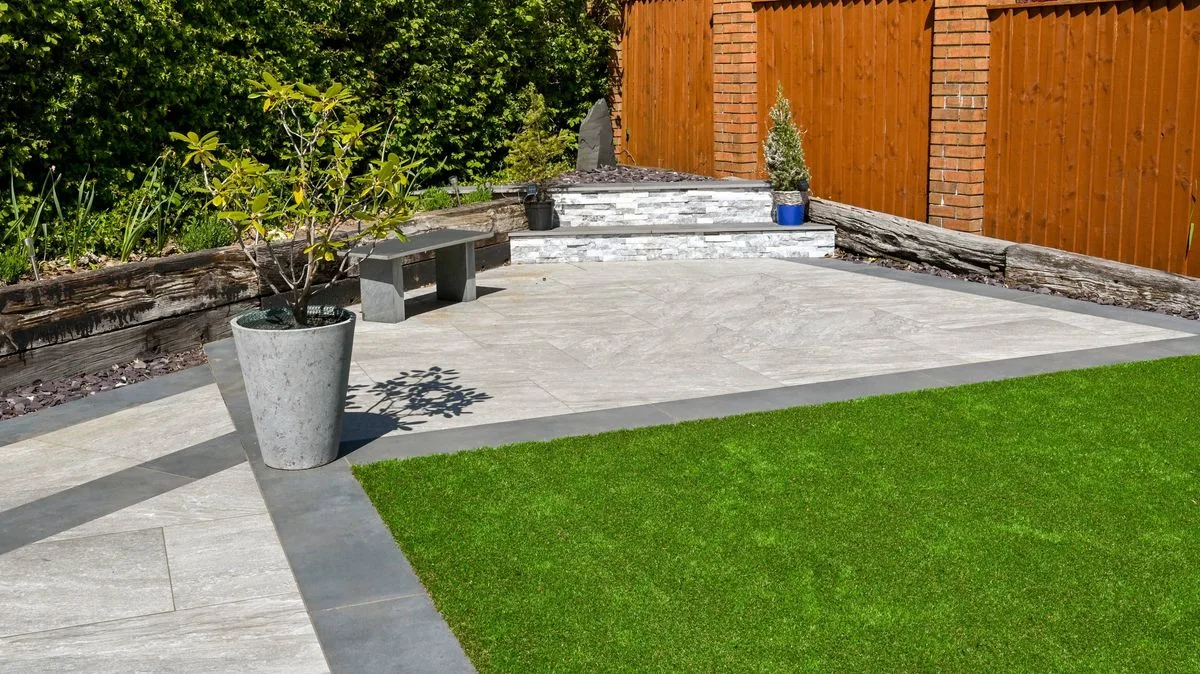
Artificial grass experts are urging UK homeowners to follow simple summer guidelines to prevent costly heat damage to fake lawns. With the country enjoying an early spell of warm weather, barbecue season has begun earlier than usual, but specialists warn that common mistakes could lead to repair bills of up to £500 or full replacement costing over £2,000.
Colin Potts, an artificial grass expert, explained: 'Artificial grass is incredibly durable and can handle everything summer throws at it—kids, dogs, garden parties. But it doesn't like direct heat. A disposable barbecue left on the lawn, or even sunlight bouncing off a glass door at the wrong angle, can cause permanent damage that's completely avoidable with a bit of know-how.'
Unlike natural grass, artificial turf is made from synthetic fibres like polypropylene, which can melt or distort under direct heat. One surprising culprit is reflected light from windows, glass doors, and garden mirrors. Energy-efficient double glazing, patio doors, decorative mirrors, and even metal planters can concentrate sunlight like a magnifying glass, melting or discolouring the fibres. This effect is especially pronounced in south-facing gardens during prolonged sunny spells.
Heat damage is rarely covered by installation warranties. Repairs range from £150 for a minor patch to full replacement at £70 or more per square metre. Potts noted: 'We see this a lot in the spring when people start getting their gardens ready. A garden mirror goes up, or new double glazing has been installed over the winter, and suddenly there's a melted patch appearing on the lawn.'
Homeowners are advised to conduct a seasonal inspection of their artificial lawn before heavy summer use, checking for reflective surfaces that could cause damage. With proper precautions, barbecues and artificial lawns can coexist without issue.