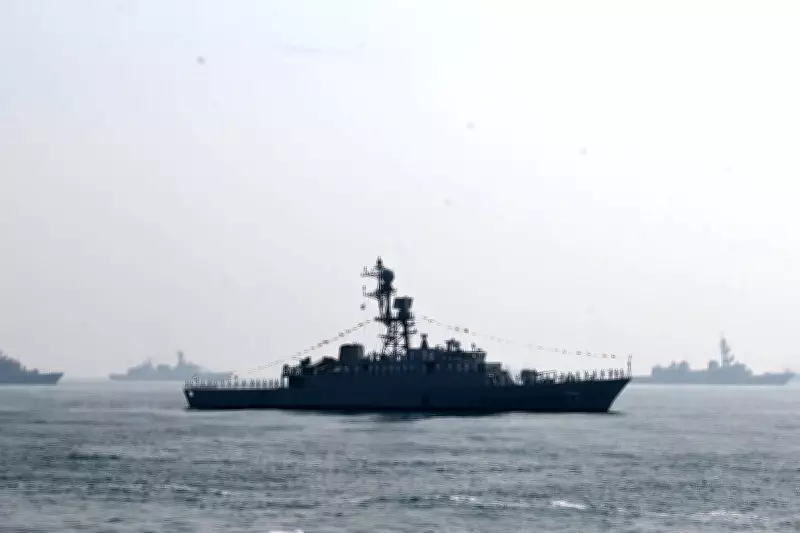
US and Iran Clash Over Status of Warship Sunk in Submarine Attack
The United States has firmly rejected Iran's claim that its warship, the IRIS Dena, was unarmed when it was sunk by a US submarine off the coast of Sri Lanka on 4 March 2026. This incident has sparked a diplomatic dispute, with both nations presenting conflicting narratives about the vessel's condition at the time of the attack.
Conflicting Accounts from US and Iranian Officials
Iran's Deputy Foreign Minister, Saeed Khatibzadeh, stated that the IRIS Dena was a ceremonial vessel, unloaded and unarmed, returning from multinational naval exercises in India. He emphasised that the ship posed no threat, framing the sinking as an unprovoked act. In contrast, the US Indo-Pacific Command labelled Iran's assertion as "false", without providing detailed evidence but insisting the warship was not in a harmless state.
An Indian navy official added to the controversy by indicating that the vessel was not "entirely unarmed" and had actively participated in military drills, suggesting it may have carried some defensive capabilities. Defence analyst Rahul Bedi noted that while vessels in such exercises typically carry limited non-offensive ammunition, the precondition for ceremonial parades is often to be unarmed, highlighting the ambiguity in international naval protocols.

Human Toll and Regional Implications
The sinking resulted in a significant loss of life, with 32 sailors rescued and 87 bodies recovered from the waters. This tragic outcome has intensified tensions between the US and Iran, underscoring the broader geopolitical stakes. The incident marks a notable expansion of the US-Israeli conflict with Iran beyond the Middle East, raising concerns about stability in the Indian Ocean region.
Analysts warn that such confrontations could escalate, affecting global trade routes and diplomatic relations. The involvement of multiple nations, including India, adds layers of complexity to the situation, with potential repercussions for international security and maritime law.