US Declares 'V for Victory' in Iran as Ceasefire Faces Immediate Threats
In a dramatic turn of events, the United States has declared a "capital-V military victory" over Iran following a fragile ceasefire agreement, but chaos continues to reign in the Strait of Hormuz and Lebanon, threatening to derail the truce within hours of its announcement. US Defence Secretary Pete Hegseth made the bold claim during the first briefing since the ceasefire took effect, asserting that Iran had "begged" for the two-week pause in hostilities. However, he issued a stark warning, threatening to recover Iran's uranium by force if it fails to comply, and instructed US troops to "stay ready" for potential escalation.
Israel's Lebanon Strikes Challenge Ceasefire Terms
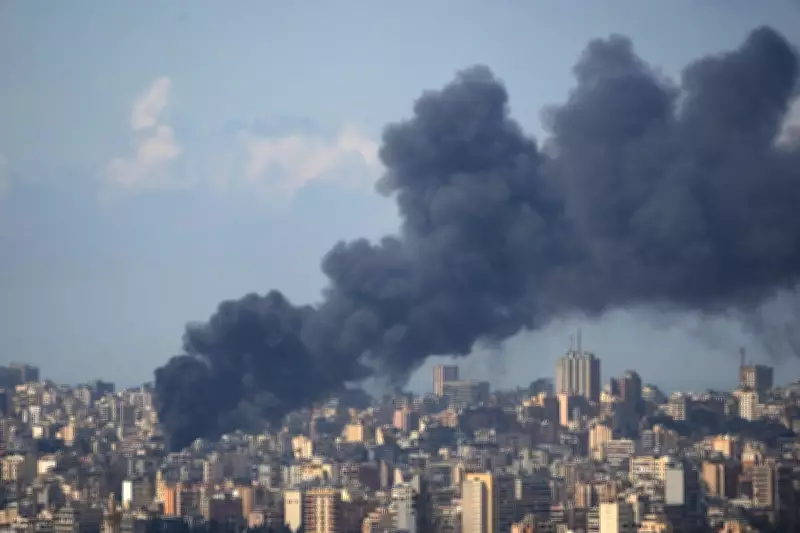
Uncertainty mounted as Israel launched its most significant strikes yet on Lebanon, insisting that the ceasefire did not cover the parallel conflict with Hezbollah. This move directly contradicted claims from Iran and mediator Pakistan, who asserted that the truce encompassed all fronts. Lebanese health officials reported dozens killed and hundreds wounded in the attacks, with residents noting that some strikes occurred without the usual civilian evacuation warnings. In response, Iran's Tasnim news agency cited an unnamed source warning that Tehran would withdraw from the ceasefire if attacks on Lebanon persist, highlighting the fragile nature of the agreement.
Strait of Hormuz Reopening Remains in Doubt
Confusion surrounds the critical issue of reopening the Strait of Hormuz, a vital waterway for global oil shipments. Iranian media reported that Tehran was already blocking the strait over continued Israeli strikes, while a senior Iranian official suggested a limited reopening could occur as soon as Thursday if the US upholds its end of the deal. Meanwhile, former US President Donald Trump proposed a controversial "joint venture" to charge ships for safe passage through the waterway. British Prime Minister Sir Keir Starmer, during a visit to Saudi Arabia, emphasized that there is still "a lot of work to do" to ensure the strait reopens and the ceasefire becomes permanent, underscoring the international stakes involved.

Diplomatic Maneuvering and Conflicting Reports
Behind the scenes, the White House pushed Pakistan to broker the eleventh-hour deal, even as Trump publicly escalated threats against Iran. Sources familiar with the talks revealed that the Trump administration badgered Islamabad to convince Iran to agree to a pause that would reopen the Strait of Hormuz, driven by concerns over rising oil prices and surprise at Iran's resilience. Oil prices fell to $92 per barrel following the truce announcement, but Trump's social media post hailing the deal came less than two hours before a deadline he had set for Iran to reopen the strait or face the destruction of its "whole civilisation."
Confusion Over Terms and Regional Fallout
Conflicting reports emerged regarding the ceasefire terms. Iran's Supreme National Security Council claimed the US had agreed to a maximalist plan including Iranian control over the Strait of Hormuz, acceptance of enrichment, and lifting of sanctions, but the Associated Press noted that "acceptance of enrichment" was omitted from English versions. Trump referenced a 15-point US plan rather than Iran's 10-point proposal, adding to the ambiguity. Long after the ceasefire was meant to take effect, Kuwait, the UAE, and Bahrain reported fresh Iranian missile and drone strikes targeting oil, power, and desalination infrastructure, with Hegseth attributing these to poor command and communications issues.
Global Repercussions and Shifting Alliances
The conflict has prompted a reevaluation of international relationships. Former UK national security adviser Lord Peter Ricketts described the war as a "huge wake-up call" for Britain, urging the government to "completely forget" the idea of a special relationship with the US, viewing it instead as transactional. Meanwhile, Trump welcomed NATO chief Mark Rutte to the White House, having previously threatened to withdraw from the alliance over perceived inadequate European support for the bombing campaign in Iran. As the situation unfolds, the ceasefire remains on a knife-edge, with diplomatic efforts struggling to keep pace with military actions and regional tensions.