US Citizens Criticise Lack of Evacuation Plan After Iran Strikes
American citizens residing in the Middle East have voiced strong criticism against the US state department, accusing the Trump administration of failing to implement a coherent backup plan to assist their evacuation in the aftermath of US-Israel military strikes on Iran. Many individuals reported feeling abandoned and treated as an afterthought, with one person describing a sense of betrayal after supporting President Trump for his anti-war promises.
State Department Response and Citizen Experiences
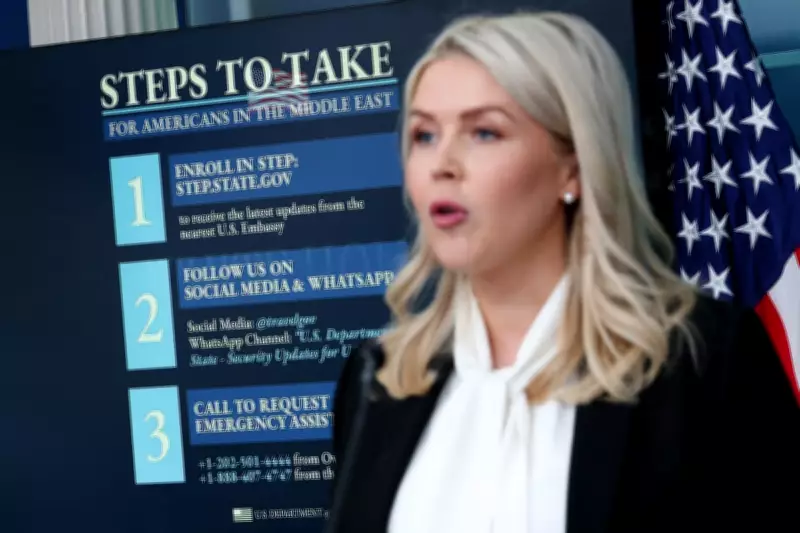
A state department official stated that through its Task Force, security guidance and travel assistance had been directly provided to approximately 32,000 impacted Americans. However, the official noted that most Americans who requested assistance declined seats when offered, preferring to remain in their locations or utilise commercial flight options. Despite this, numerous citizens shared harrowing accounts of struggling to obtain help during the crisis.
Dylan's Ordeal in Bahrain
Dylan, a 31-year-old US citizen teaching in Bahrain, expressed anger at the US government's lack of support. On the morning of the attack, he heard explosions and saw smoke rising from a naval base, prompting him to seek shelter in a school. Attempts to contact the US embassy and state department were futile, as phone lines were consistently unreachable. He eventually received assistance through a connection to a US congressman's aide and advice from the UK consulate, highlighting the British as more responsive. After days of sheltering amidst explosions, Dylan travelled to Saudi Arabia and later to Portugal, feeling let down by the US for initiating conflict without a backup plan for civilians.
Ashley's Frustration in Abu Dhabi
Ashley, a US citizen from North Carolina on holiday in Abu Dhabi with her family, faced similar challenges. She criticised the state department for issuing contradictory guidance, such as urging departure when skies were closing, and noted delays in providing evacuation forms and flights. After finding her own flight to Portugal amidst missile interceptions, she emphasised the need for better communication and planning from the government, stating it was a shame citizens could not rely on their own authorities.
Aaliya's Betrayal in Abu Dhabi
Aaliya, a 37-year-old US citizen living in Abu Dhabi with her family, felt betrayed after encouraging her family to vote for Trump based on his anti-war stance. She reported a lack of coherent support and information from the state department, forcing her to arrange a commercial flight to the US despite being offered a government flight to Athens. She expressed regret over her political support, feeling that Trump had not prioritised American citizens as promised, and anticipated negative impacts on the economy and oil prices due to the conflict.
Broader Implications and Reflections
These accounts underscore broader concerns about the US government's preparedness and responsiveness in crisis situations. Citizens highlighted the mental toll of the conflict, with families experiencing fear and instability. The state department's efforts, including organising nearly 50 flights for repatriation, were seen as insufficient and delayed by many. As tensions persist, the experiences of these Americans raise questions about diplomatic support and the fulfilment of political promises in times of international conflict.