The United States has taken a significant step in its campaign against foreign influence over online discourse, barring five European citizens from entering the country. The State Department accuses them of leading organised efforts to pressure American technology companies into censoring or suppressing viewpoints originating in the US.
Who Are the Banned Europeans?
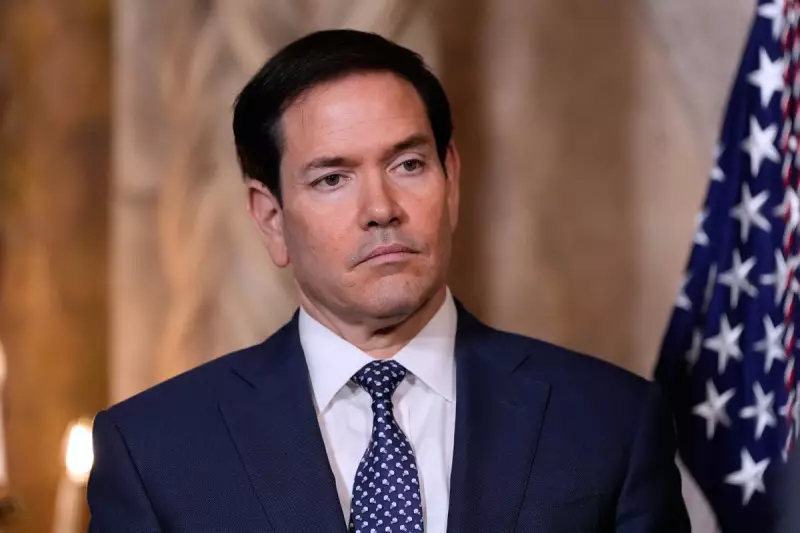
The action was announced on Tuesday, 23 December 2025, by Secretary of State Marco Rubio. He did not initially name the individuals but described them as "radical" activists and leaders of "weaponized" non-governmental organisations. The five were later identified by Under Secretary of State for Public Diplomacy, Sarah Rogers, in a series of social media posts.
The list includes prominent figures from the digital policy and advocacy sphere:

- Imran Ahmed, Chief Executive of the Centre for Countering Digital Hate.
- Josephine Ballon and Anna-Lena von Hodenberg, leaders of the German organisation HateAid.
- Thierry Breton, the former European Union Commissioner for the Internal Market, responsible for digital affairs.
- Clare Melford, who runs the Global Disinformation Index.
The Legal Basis and Administration's Stance
This move utilises immigration law rather than platform regulations or sanctions. It falls under a new visa policy announced in May 2025, designed to restrict entry for foreigners deemed responsible for censorship of protected speech in the United States. The authority stems from the Immigration and Nationality Act.
In a post on X, Secretary Rubio stated, "For far too long, ideologues in Europe have led organized efforts to coerce American platforms to punish American viewpoints they oppose. The Trump Administration will no longer tolerate these egregious acts of extraterritorial censorship." The State Department's statement argued their actions advanced foreign government censorship campaigns, creating "potentially serious adverse foreign policy consequences" for the US.
Practical Consequences and Wider Context
Those targeted will generally be barred from entering the United States. Some may face removal proceedings if they are already in the country. Officials indicated the list could be expanded if similar foreign actions continue.
An anonymous US official noted that while many Europeans travel under the Visa Waiver Program, they must complete an online application via the Department of Homeland Security before arrival. It is likely at least some of the five have been flagged within this DHS system.
This action is part of a broader pattern of visa restrictions introduced by the administration this year, including bans targeting visitors from certain African and Middle Eastern nations and the Palestinian Authority. The policy also includes provisions allowing for financial bonds to be required from visa applicants from some countries.
The decision marks a notable escalation in the Trump administration's efforts to combat perceived foreign interference in American digital spaces, setting a firm precedent on the issue of cross-border content moderation pressures.