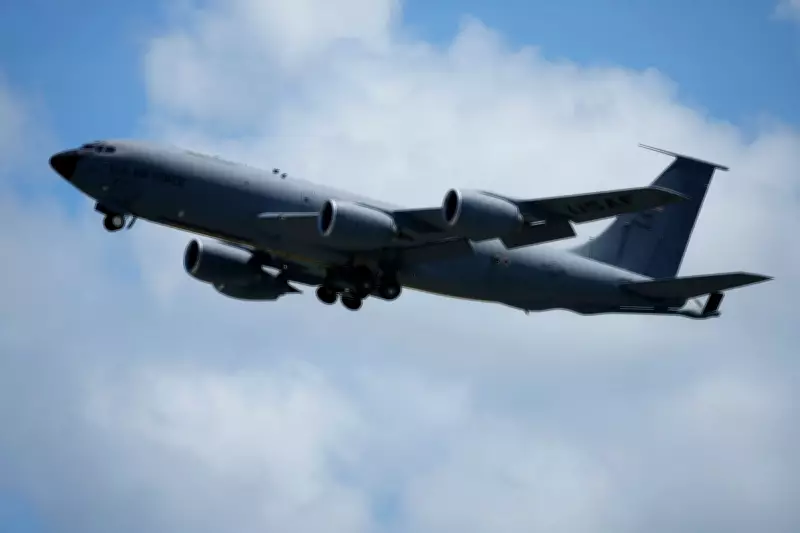
A US Air Force KC-135 refuelling aircraft has crashed in western Iraq during a mission connected to the ongoing conflict with Iran, sparking conflicting explanations from the United States and an Iran-backed militant group.
Conflicting Accounts Emerge
US Central Command confirmed the incident occurred in what it described as "friendly airspace" as part of Operation Epic Fury. Officials stated the crash was not caused by hostile fire or friendly fire, suggesting a potential mechanical failure or operational mishap. However, the Islamic Resistance in Iraq, a group known for its ties to Iran, claimed responsibility for shooting down the aircraft. They asserted the action was taken in defence of Iraqi sovereignty, directly contradicting the US account.
Rescue Operations and Casualties
Rescue operations are currently ongoing at the crash site, with officials still gathering detailed information. No casualties have been confirmed yet, but the situation remains fluid as teams work to secure the area and assess the full impact. This incident marks the fourth loss of a US manned aircraft since the commencement of Operation Epic Fury, highlighting the persistent dangers faced by military personnel in the region.
Escalating Regional Tensions
The crash occurs against a backdrop of escalating tensions and increased military actions in the Middle East. Operation Epic Fury has seen heightened activity, and this event is likely to further strain relations between the US and Iran-backed factions. The conflicting claims over the cause underscore the volatile nature of the conflict, with both sides using the incident to advance their narratives.
As investigations proceed, the international community watches closely, concerned about potential repercussions. The loss of the KC-135, a critical asset for aerial refuelling, could impact ongoing military operations, though US officials have not yet commented on broader strategic implications.