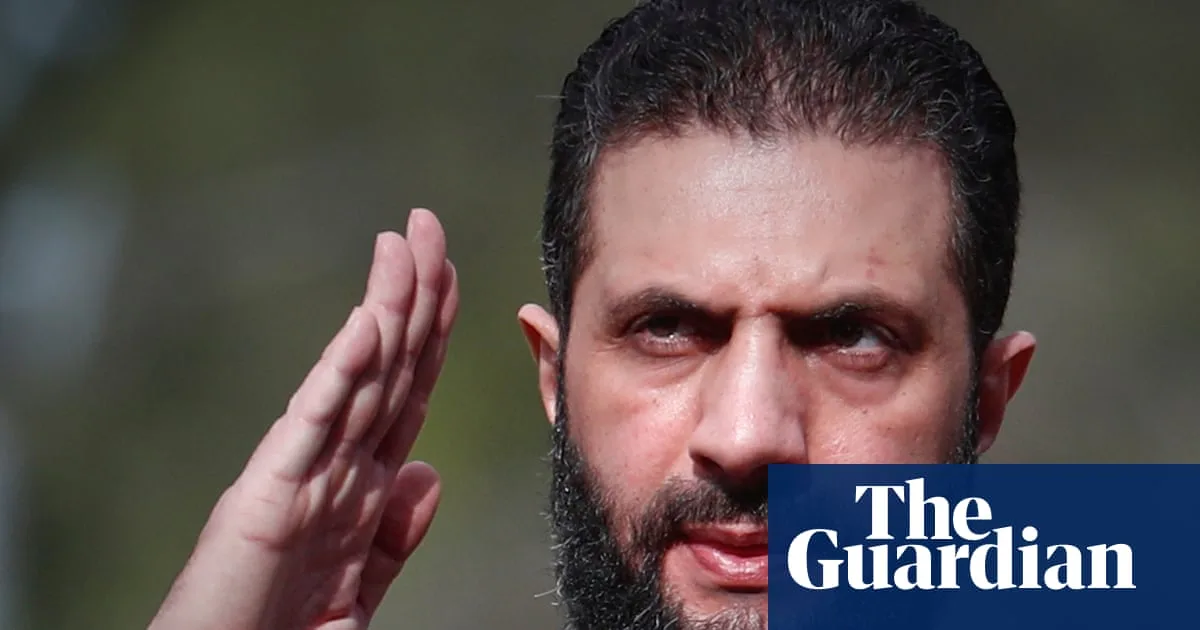
UN Report Uncovers Five Foiled Assassination Attempts on Syrian Leadership
A United Nations report has revealed that Syria's president and two senior ministers were the targets of five separate assassination attempts last year, all of which were successfully thwarted. The report, issued by Secretary-General António Guterres and prepared by the UN Office of Counter-Terrorism, was released on Wednesday, detailing the persistent threats posed by Islamic State militants in the region.
Targets and Tactics of the Attempts
The primary target was President Ahmad al-Sharaa, who was reportedly attacked in northern Aleppo and southern Daraa by a group identified as Saraya Ansar al-Sunnah. This organisation is assessed to be a front for the Islamic State group, providing it with plausible deniability and enhanced operational capabilities. The report also noted that Interior Minister Anas Hasan Khattab and Foreign Minister Asaad al-Shibani were similarly targeted, though specific dates and details of these attempts were not disclosed.
These assassination plots serve as stark evidence that the militant group remains intent on destabilising the new Syrian government, actively exploiting security vacuums and uncertainty within the country. The UN findings underscore the ongoing challenges faced by Syria's leadership in maintaining stability after a prolonged civil war.
Background on Syria's Political Landscape
President al-Sharaa has led Syria since December 2024, when his rebel forces ousted longtime President Bashar Assad, effectively ending a 14-year civil war. Previously, al-Sharaa was the leader of Hayar Tahrir al-Sham, a militant group once affiliated with al-Qaida, though it later severed those ties. In a significant move, his government joined the international coalition against the Islamic State in November, aligning with global efforts to counter the militant threat.
The UN counter-terrorism experts emphasised that the Islamic State group continues to operate across Syria, primarily targeting security forces, especially in the northern and northeastern regions. This persistent activity highlights the group's resilience and adaptability despite international countermeasures.
Broader Security Implications and Regional Context
In one notable incident on December 13, an ambush near Palmyra resulted in the deaths of two US servicemen and an American civilian, with three Americans and three Syrian security force members wounded. President Donald Trump responded by launching military operations aimed at eliminating IS fighters, reflecting the broader international involvement in the conflict.
According to the UN report, the Islamic State group maintains an estimated 3,000 fighters across Iraq and Syria, with the majority based in Syrian territory. This figure underscores the group's continued presence and capacity for violence, necessitating ongoing vigilance and coordinated responses.
Detainee Management and Humanitarian Concerns
In late January, the US military began transferring IS detainees from northeastern Syria to Iraq to ensure they are held in secure facilities, with Iraq committing to prosecute the militants. This move follows Syrian government forces taking control of a sprawling camp housing thousands of IS detainees after the withdrawal of US-backed Syrian Democratic Forces as part of a ceasefire agreement with Kurdish fighters.
The report to the UN Security Council noted that as of December, prior to the ceasefire deal, more than 25,740 individuals remained in the al-Hol and Roj camps in northeast Syria, with over 60% being children. Thousands more are held in other detention centres, raising significant humanitarian and security concerns for the region.
This comprehensive UN assessment highlights the complex and volatile security environment in Syria, where assassination attempts against top officials are just one facet of the broader militant threat. The findings call for sustained international cooperation to address the root causes of instability and prevent future attacks on leadership figures.






