UK's First Repatriation Flight from Oman Takes Off After Chaotic Delay
UK's First Repatriation Flight from Oman Takes Off After Delay

UK's First Repatriation Flight from Oman Takes Off After Chaotic Delay

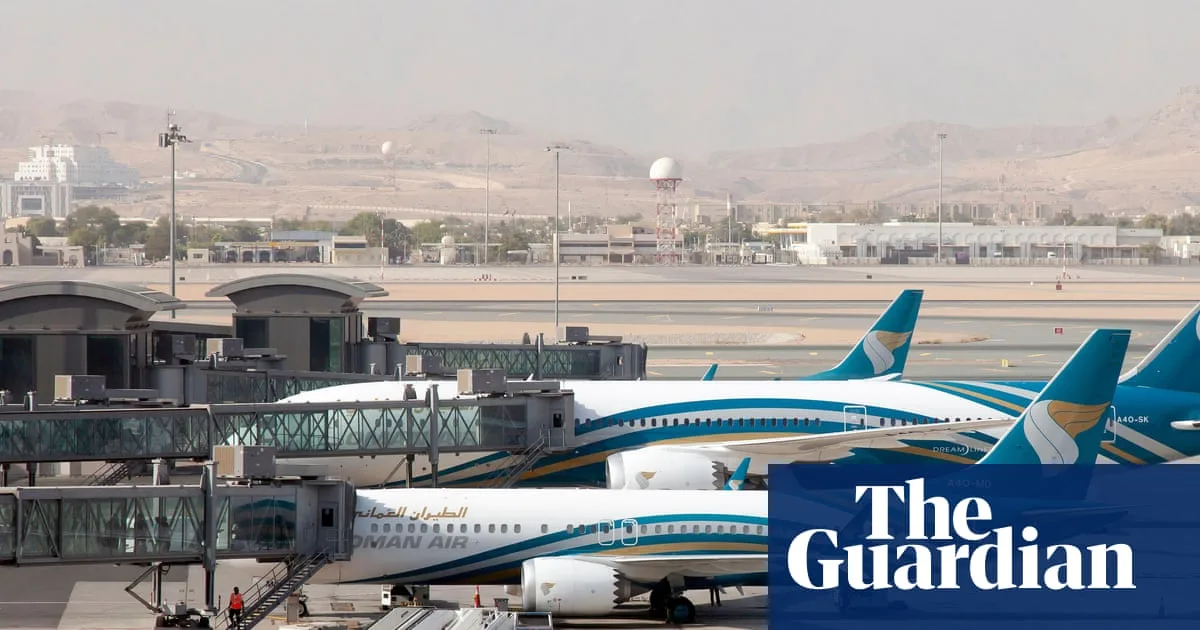
The first government-chartered repatriation flight for British nationals stranded in the Middle East has finally taken off from Muscat, Oman, following an overnight delay that passengers described as a "total shambles." The aircraft, organized by the Foreign Office, was originally scheduled to depart on Wednesday evening but was grounded after the pilot exceeded his permitted flying hours and required rest.

Chaotic Scenes at Muscat Airport

Passengers due to board the flight became "very agitated" when it failed to depart as planned, with some reportedly "banging windows" and experiencing panic attacks. The delay occurred as tensions escalated in the region following Iran's missile attacks toward Israel. One passenger branded the situation a "s***show," citing a four-hour check-in process followed by a 90-minute wait on the aircraft before being disembarked.

Foreign Office officials attributed the delay to "technical issues" at the airport, while Home Office Minister Alex Norris later clarified that "problems with getting passengers on board" caused the operational setback. Stranded travelers were transferred to hotels overnight, with the flight rescheduled for Thursday afternoon.

Wide Pickt banner — collaborative shopping lists app for Telegram, phone mockup with grocery list

Government Response and Ongoing Efforts

Prime Minister Sir Keir Starmer confirmed the flight's departure during a Thursday press conference, stating: "I can report that our first charter flight from Oman took off a few minutes ago." He emphasized the scale of the evacuation operation, noting that over 4,000 people have returned to the UK on commercial flights from the United Arab Emirates alone.

The government has arranged additional charter flights in the coming days, with British Airways operating daily services from Muscat. However, these flights are reportedly fully booked, prompting authorities to explore further options. Eligible passengers are being charged approximately £350 for seats on government rescue flights, though some, like 27-year-old Poppy Cleary, claim they paid but "never heard back" about their placement.

Contrast with European Evacuations

The UK's delayed response contrasts with successful evacuations by other European nations. Austria and Spain repatriated their citizens on Wednesday night, with Austria's Foreign Minister Beate Meinl-Reisinger personally greeting arrivals in Vienna. Around 400 Irish citizens also landed in Dublin from Dubai on Wednesday evening.

Meanwhile, the conflict continues to intensify. Iran fired missiles toward Israel early Thursday, while Israeli strikes near Beirut, Lebanon, resulted in three fatalities. UK Defence Secretary John Healey is visiting Cyprus amid concerns about protecting RAF Akrotiri, though the HMS Dragon warship won't deploy until next week.

Broader Evacuation Challenges

Since the conflict began, over 140,000 Britons have registered their presence in the Middle East with the UK government. Airports across the region have reopened with restricted operations, but commercial options remain limited. Some desperate families have paid up to £100,000 for private jets to escape Dubai.

Foreign Office minister Hamish Falconer told MPs that eight flights from the UAE brought over 2,000 people to the UK on Wednesday, with ten more expected Thursday. Cruise operator MSC Cruises has also launched five charter flights to repatriate nearly 1,000 guests by Saturday.

As the situation evolves, Sir Keir Starmer's government faces scrutiny over its handling of the crisis, particularly compared to swift European actions and amid ongoing security concerns in the region.

Pickt after-article banner — collaborative shopping lists app with family illustration




