A clandestine unit of Ukrainian military forces executed a targeted strike against a Russian-flagged oil tanker in western Libya, resulting in a significant explosion and fire. Ukrainian officials have confirmed that the vessel, named the Arctic Metagaz, was part of Russia's so-called shadow fleet, which is used to transport oil in direct violation of international sanctions imposed due to Moscow's ongoing invasion of Ukraine.
Infrastructure Damage and Security Operations
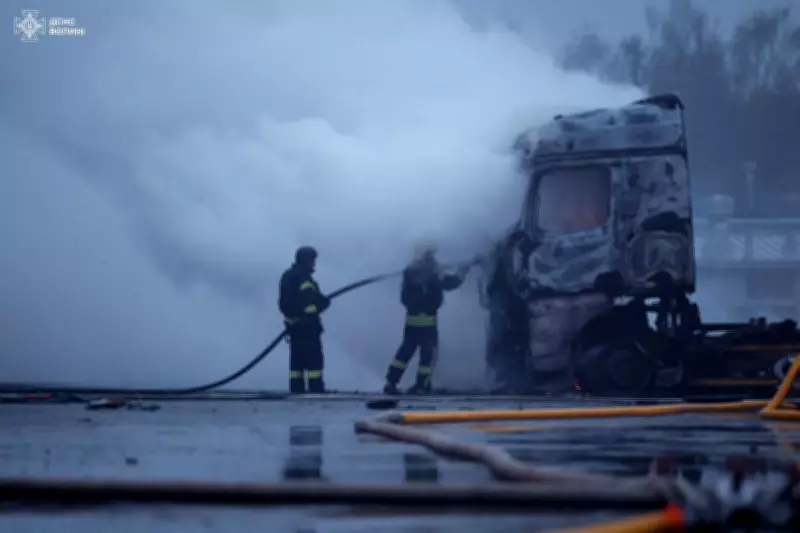
In a separate incident, a Russian overnight drone attack caused substantial damage to a key port facility at Izmail, Ukraine's largest Danube river port. Fortunately, emergency services were able to extinguish the resulting fires swiftly, and no casualties have been reported from this assault.
Simultaneously, Ukrainian security services, known as the SBU, successfully detained an alleged agent of Russia's Federal Security Service (FSB) in Kyiv. This arrest followed the thwarting of a sophisticated assassination attempt targeting a prominent leader of Ukraine's Federation of Employers, which involved the use of a remote-controlled explosive device.

Diplomatic Tensions and International Reactions
Amid these developments, U.S. Vice President JD Vance visited Budapest, where he leveled serious accusations against Ukrainian President Volodymyr Zelensky. Vance described Zelensky's recent comments about Hungarian Prime Minister Viktor Orban as "scandalous" and echoed allegations that Kyiv has been interfering in Hungary's electoral processes.
On the diplomatic front, Russia's Foreign Ministry summoned the Japanese ambassador to lodge a formal protest. This action was in response to a Japanese company's investment in Ukrainian technology designed for interceptor drones, highlighting the widening international dimensions of the conflict.
Broader Implications and Ongoing Conflict
The attack on the Arctic Metagaz underscores Ukraine's expanding operational reach and its commitment to disrupting Russia's illicit oil trade, which finances the war effort. This incident marks a significant escalation in tactics, as Ukrainian forces extend their activities beyond the immediate theater of war in Eastern Europe.
The combined events of the drone strike on Izmail, the foiled assassination plot, and the diplomatic friction illustrate the multifaceted nature of the Ukraine-Russia war. These actions reflect ongoing efforts by both sides to gain strategic advantages through military, security, and diplomatic means, with the conflict showing no signs of abating as it enters another phase of intensity.