Ukraine's Survival Against Russia's Invasion: The Path to Victory
As the brutal conflict grinds into its fifth year, the world has witnessed a complete transformation in warfare technology and the steadfast resilience of Ukraine against its much larger Russian neighbour. From the initial shock of invasion to the current stalemate, Ukraine's journey from survival to potential victory reveals critical lessons about modern combat and international solidarity.
The Dawn of Invasion: Kharkiv Under Fire
I stood in the pre-dawn freeze on a terrace overlooking Kharkiv's Freedom Square four years ago, reporting live as Vladimir Putin ordered a full-scale invasion of Ukraine. Within moments, rockets exploded across the skyline, their orange glow followed by concussive thumps and cracking explosions. These weapons, fired from Russia into Ukraine's second-largest city, marked the beginning of a conflict that would redefine European security.
The BM-30 Smerch systems scattered cluster bombs across urban areas, while BM-212 Grads screeched from the sky in terrifying swarms. Russian troops stormed north from Crimea toward Kherson and emerged on Kharkiv's streets, expecting quick victory. Instead, they encountered fierce resistance that defied all expectations.

Local police ambushed Russian reconnaissance groups near Freedom Square with RPGs and rifles. In one striking incident, a group of elderly women, likely Russian-speakers themselves, beat a burning Russian soldier to death with broomsticks. This became a powerful metaphor for Ukraine's grassroots defence movement.
Early Challenges and Improvised Defence
Having first been invaded by Putin in 2014 when Crimea was captured, Ukraine entered this conflict with limited military capabilities. Western allies had reneged on security guarantees and restricted Kyiv from purchasing lethal weapons. Despite intelligence warnings about Russia's ambitions, Ukrainian forces appeared unprepared along the border north of Kharkiv.
When I questioned a Ukrainian colonel about defensive preparations just two days before the invasion, he cryptically replied, "You're not supposed to" see them. In reality, there were virtually no prepared defences. Ukraine was initially sent reeling, but its population quickly recovered balance.
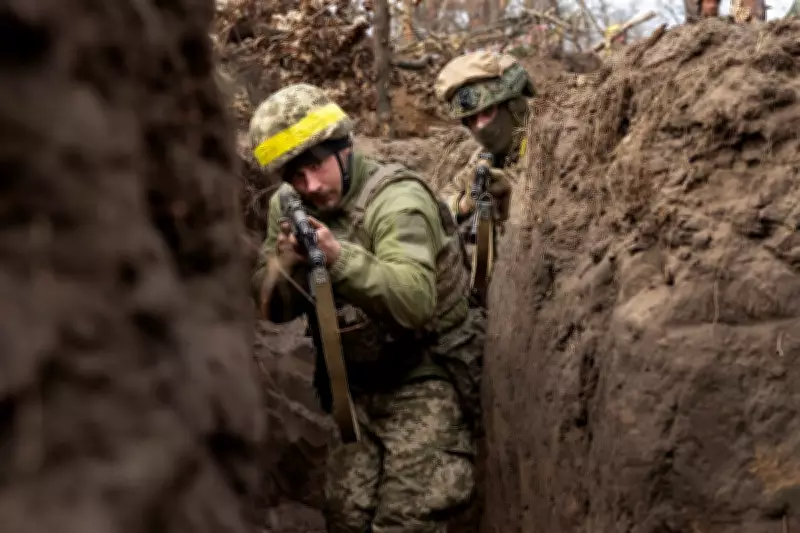
Military units performed what Western advisers considered incredible feats, such as the punishing defence of Hostomel airbase against mass airborne attacks. Young veterans from earlier combat formed small teams in pickup trucks, organized family networks in occupied territory to spy on invaders, and took on Russia's massed columns with remarkable effectiveness.
The Turning Point: Western Aid and Ukrainian Ingenuity
Around the world, footage emerged of ambushes on Russian columns, revealing how limited military aid from Britain and the US was having a staggering impact. American Javelin and British NLAW anti-tank missiles crippled armoured advances, while swashbuckling units conducted SAS-style raids that saved Kharkiv, Sumy, and Kyiv.
In the south, villagers organized counterattacks, harnessing historical memories of Moscow's mass starvation of Ukrainians in the 1930s into determined resistance. By summer 2022, national forces had regrouped and launched counteroffensives that recovered vast territories in lightning operations.
The New Warfare: Drones and Stalemate
Since those early gains, Ukraine has settled into a near stalemate of grinding horror, punctuated by the nerve-jangling new dimension of drone conflict. Both sides have been reinventing modern warfare, with Ukraine emerging as a world leader in drone technology despite Russia's advantages in traditional artillery and air power.
Forced to adapt or die, Ukraine now controls the Black Sea without a conventional navy, using innovative approaches to maritime defence. Meanwhile, Russia has shifted strategy to target civilians and energy systems, attempting to break Ukrainian will through attrition.

International Politics and Strategic Challenges
Throughout this conflict, Ukraine has been defending Europe's eastern flank on the ground while fighting a political war against the doctrine that "might is right." The enthusiastic support for Kremlin policies by Donald Trump's administration has complicated Ukraine's defence, with the cessation of US military aid causing significant setbacks.
Europe has stepped up to cover the loss of American support, pledging €250 billion compared to the US total spend of $115 billion. Much of this funding goes toward air defences, reflecting the changing nature of threats. Meanwhile, Putin has shaped diplomatic narratives suggesting Ukraine cannot win and should surrender territory for peace.
The Human Cost and Future Prospects
With losses estimated around 1.2 million, Putin's war has been disastrous for Moscow, yet it continues. NATO has expanded with Finland and Sweden joining the alliance, strengthening Europe's defensive posture. Individual stories of Ukrainian resilience continue to inspire, like that of "Grumpty," a former software engineer who taught himself to operate a Russian tank via YouTube videos and destroyed 14 enemy vehicles in one night.
Most Ukrainians now desire peace, but not at the cost of their nation's security. President Zelensky and European allies insist that security guarantees must prevent future Russian aggression and recolonization attempts. They argue that only sustained Western support can ensure Ukraine's sovereignty.
Ukraine has demonstrated extraordinary capability with minimal resources. The critical question remains: what could this resilient nation achieve with consistent, substantial support from its international partners? As the war enters its fifth year, the answer may determine not only Ukraine's future but the security architecture of Europe itself.