Ukraine's Military Advances Deal Blow to Russian Buffer Zone Ambitions
In a significant development in the ongoing conflict, Ukrainian forces have successfully repelled Russian troops from a key region, dealing a strategic setback to President Vladimir Putin's military objectives. According to recent reports, Ukraine's military has liberated approximately 400 square kilometres in the Dnipropetrovsk region, asserting control over nearly the entire area. This advancement directly undermines Russia's stated aim of establishing a 'buffer zone' in eastern Ukraine, a cornerstone of its operational strategy.
Strikes on Russian Infrastructure and Diplomatic Maneuvers
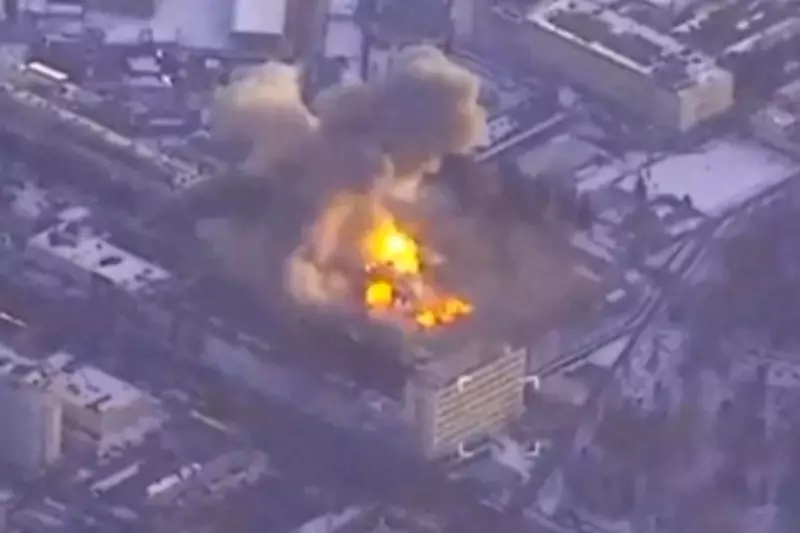
Simultaneously, Ukrainian forces conducted a targeted strike on a Russian missile plant located in Bryansk, demonstrating their capability to hit critical infrastructure deep within Russian territory. This attack highlights the escalating intensity of the conflict and Ukraine's resolve to disrupt Russian military supply chains.
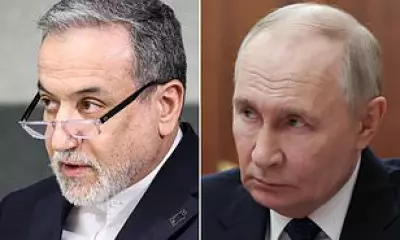
On the diplomatic front, former US President Donald Trump engaged in discussions with Vladimir Putin, covering topics including the Ukraine war and the Middle East conflict. Trump indicated a potential loosening of US oil-related sanctions on 'some countries' and noted that Putin offered to assist in resolving the Iran war. This conversation suggests possible shifts in international sanctions policies, which could impact global energy markets and geopolitical alliances.

Deepening Military Alliances and International Responses
Ukrainian President Volodymyr Zelensky issued a stark warning regarding a deepening military alliance between Russia and Iran. He stated that Russia, having already received drones from Iran, is likely to reciprocate by providing Iran with missiles, air defence systems, and potentially troops. This exchange could significantly alter the balance of power in the Middle East and complicate international efforts to contain regional conflicts.
In response to Russia's efforts to circumvent oil sanctions, Britain has urged its allies to seize vessels from the so-called 'shadow fleet' that facilitate these activities. The UK government is actively engaged in legal discussions with Joint Expeditionary Force nations to enable further seizures, aiming to tighten the enforcement of existing sanctions and curb Russia's economic resilience.
Diplomatic Tensions and Investigations
Amidst these developments, Hungary dispatched a fact-finding mission to Ukraine to investigate the outage of the Druzhba pipeline. This move occurs against a backdrop of diplomatic friction between Kyiv and Budapest, exacerbated by Hungary's previous vetoes of EU sanctions and a loan intended for Ukraine. The investigation underscores the complex interplay of energy security and political tensions within Europe.
The collective actions—from military advances to diplomatic engagements and sanctions enforcement—paint a picture of a conflict that continues to evolve, with significant implications for regional stability and international relations. As Ukraine consolidates its gains, the strategic landscape shifts, challenging Russia's objectives and prompting varied responses from global actors.