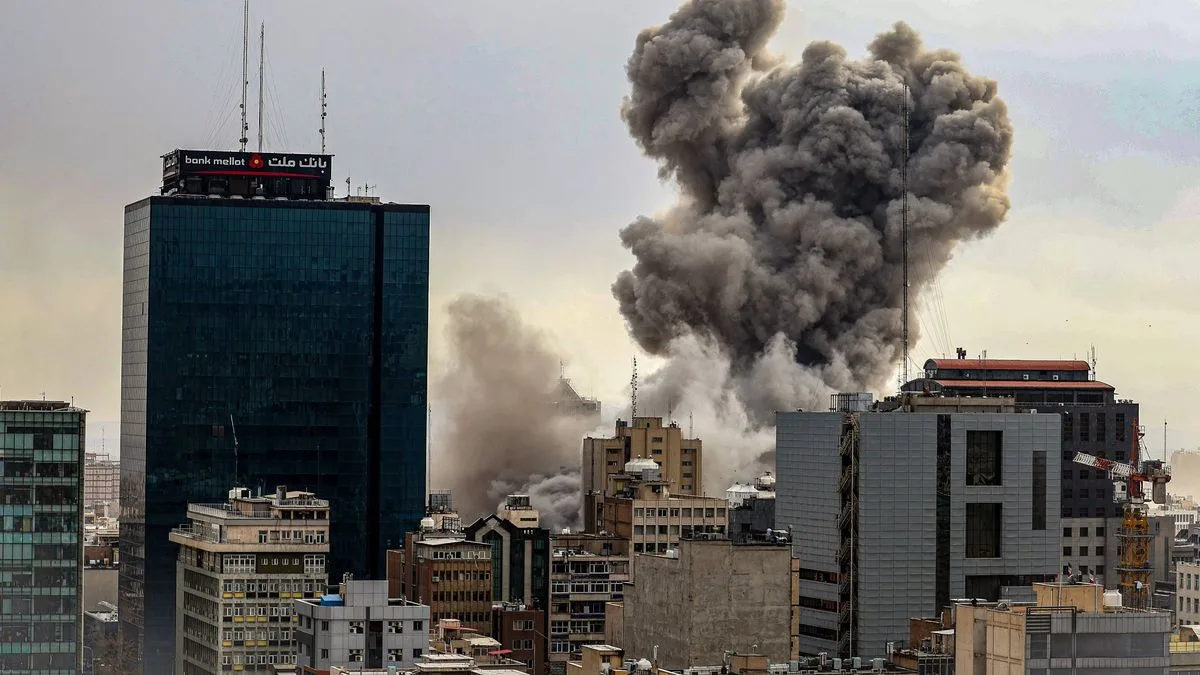
The UK Foreign Office has issued critical updates to its travel advice for British nationals visiting ten countries across the Middle East and beyond, as the escalating military conflict between Iran and the United States continues to spread chaos throughout the region. This urgent revision comes in response to Iranian drone attacks targeting Gulf nations, which have triggered widespread airspace closures and plunged global aviation into its most severe crisis since the COVID-19 pandemic.
Widespread Travel Disruption and Stranded Nationals
Thousands of British citizens remain stranded abroad as the government develops evacuation plans, with those currently in the Middle East instructed to stay indoors and monitor information from local authorities closely. The Foreign Office has specifically amended travel guidance for Thailand, Egypt, Jordan, Qatar, Saudi Arabia, the United Arab Emirates, Pakistan, Israel, Bahrain, and Kuwait within the past twenty-four hours.
Detailed Country-Specific Advice
Thailand: Although not in the Middle East, Thailand is experiencing significant travel disruption due to airspace closures, delayed flights, and cancellations stemming from the regional escalation. Travelers are warned that their plans may be affected regardless of destination.
United Arab Emirates: The Foreign Office now advises against all but essential travel to the UAE, including Dubai and Abu Dhabi. Limited commercial options remain available via air from the UAE and Oman. Non-essential visitors are encouraged to consider departing if safe to do so.
Saudi Arabia: Those planning to depart using commercial means should verify the latest updates from airlines and local authorities, check border crossing statuses, and ensure access to emergency supplies and essential medication. Travel within or out of Saudi Arabia is undertaken at personal risk.
Qatar: With limited flights operating in and out of Qatar, British holidaymakers are advised to leave if it is safe. The situation remains fluid and requires constant monitoring.
Egypt: International borders in Israel and Palestine may close abruptly, including the Taba border crossing between Israel and Egypt. Travelers must consult local authorities and review Israel and Palestine travel advice before attempting to cross.
Kuwait: If deemed safe, land border crossings into Saudi Arabia at Al Salmi/Ar–Ruqi and Al Nuwaisib/Al-Khafji are currently open. Vehicles must be wholly owned and registered in the traveler's name. Departing individuals should check airline updates, local instructions, and border statuses while ensuring access to emergency supplies and updated travel documents.
Bahrain: Those planning road travel should review Saudi Arabia's entry requirements and secure correct paperwork to avoid denial of entry. Residents are advised to follow local authority instructions, seek shelter indoors if necessary, and prioritize rooms with minimal external walls or windows for added protection.
Israel: The Foreign Office advises against all travel to Israel. The Israeli Ministry of Tourism is providing shuttle buses from Jerusalem and Tel Aviv to the Taba border for British tourists on B2 visas, with a British Embassy team assisting on the Egyptian side for onward travel to Sharm El-Sheikh Airport. British residents or dual nationals are ineligible for this service.
Palestine: Travel to Palestine is strongly discouraged according to the latest Foreign Office guidance.
Jordan: Updated information addresses Jordanian airspace impacts from the regional conflict. The Foreign Office continues to advise against all but essential travel to Jordan and all travel within three kilometers of the Syrian border.
Aviation Crisis and Regional Impact
The conflict has caused unprecedented disruption to air travel worldwide, with Iranian drone strikes prompting airspace closures across the Gulf. This has stranded numerous travelers and created logistical nightmares for airlines and governments alike. The situation remains volatile, with the Foreign Office urging all British nationals in affected regions to maintain heightened vigilance and adhere strictly to updated advisories.