UK Government Set to Block Trump from Using British Bases for Iran Strikes
While the United States is likely to retain permission for defensive operations from British territory, Prime Minister Keir Starmer is determined that offensive strikes against civilian infrastructure in Iran will not receive British assistance. This decision, based on legal advice and national interest considerations, risks offending both sides in the escalating conflict.
Reports Suggest Definite Refusal for Offensive Strikes
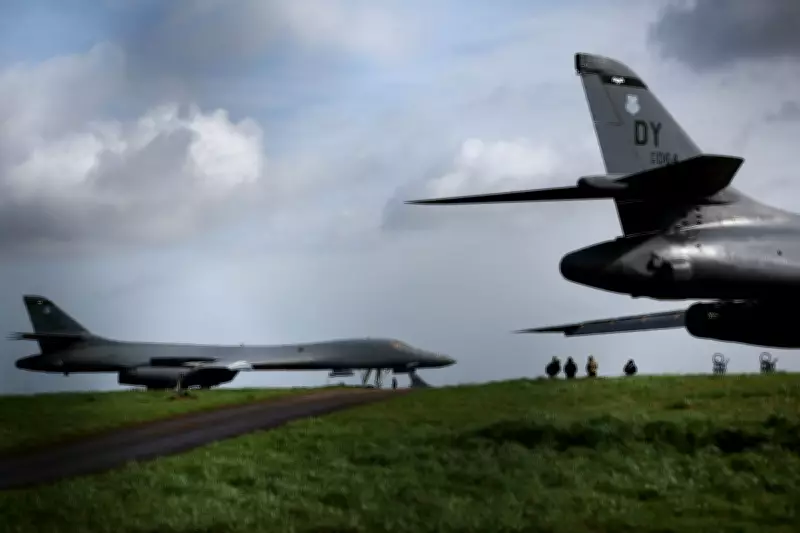
Multiple reports indicate Britain will refuse American requests to use strategic bases including Diego Garcia in the British Indian Ocean Territory and RAF Fairford in Gloucestershire for any US Air Force strikes targeting Iranian bridges or power plants. The UK government views such infrastructure as civilian targets, and supporting these operations could potentially constitute collaboration in war crimes under international law.
This position appears well-substantiated by an official Ministry of Defence statement: "The UK authorised the United States to use British bases for defensive missions to destroy Iran's missile capabilities, which are threatening British people, bases, and our partners in the region." The statement clearly distinguishes between defensive actions targeting missile capabilities and offensive strikes against civilian infrastructure.

Defining 'Defensive' Operations
Prime Minister Starmer explained the government's position when the conflict initially broke out, stating he had declined to grant the US permission for "offensive" operations that were deemed unlawful according to legal advice. He emphasized that involvement in such operations would be contrary to British national interest.
On March 1st, Starmer clarified: "The only way to stop the Iranian threat is to destroy the missiles at source – in their storage depots or the launchers which used to fire the missiles. The United States has requested permission to use British bases for that specific and limited defensive purpose."
The Prime Minister continued: "We have taken the decision to accept this request – to prevent Iran firing missiles across the region, killing innocent civilians, putting British lives at risk, and hitting countries that have not been involved. The basis of our decision is the collective self-defence of longstanding friends and allies, and protecting British lives."
Diplomatic Fallout with Trump Inevitable
The UK's stance is certain to provoke a significant diplomatic row with former President Donald Trump, who has already compared Starmer to Neville Chamberlain – the British prime minister remembered for his policy of appeasement toward Nazi Germany. This comparison represents a serious deterioration in the personal relationship between the two leaders and raises questions about the future of NATO cooperation.
Education Secretary Bridget Phillipson has voiced concerns about Trump's rhetoric, stating: "It is not language or an approach that this Government would be taking" in reference to Trump's threats to "take out" Iran in one night.
Domestic Political Implications for Starmer
Paradoxically, the confrontation with Trump appears to be benefiting Starmer domestically. A recent JL Partners poll shows Starmer's approval rating increases by 26 points when voters are reminded of his dispute with the US president. While Starmer's overall approval remains negative at minus 14, this represents significant improvement from the minus 40 rating he receives when his war stance isn't highlighted.
Starmer has contrasted his cautious approach with what he views as blind loyalty to Trump displayed by political opponents including Nigel Farage and Kemi Badenoch, both of whom have adjusted their positions in response to public opinion. This foreign policy stance may help Starmer weather potential losses in upcoming May elections.
Strategic Consequences and Regional Realities
The policy is unlikely to preserve NATO unity or earn British gratitude from Iran. Tehran has already responded by firing a missile at Diego Garcia, demonstrating that Iran makes little distinction between "defensive" and "offensive" use of British territory. Other European powers including Spain and France have been even less accommodating to American requests, refusing overflight permissions entirely.

Britain now faces the difficult reality of being labeled "Little Satan" by Iran while simultaneously angering the United States. The UK may lose special access through the strategically vital Strait of Hormuz for its shipping and supplies, while Trump will likely seek retaliation against British interests. This places Britain in the unenviable position of potentially offending both major parties to the conflict despite Starmer's attempts to uphold international law and protect British interests.