UK Minister Labels Trump 'Transactional' as Strains Emerge Over Hormuz Stance
UK Minister Calls Trump 'Transactional' Amid Hormuz Dispute

In a remarkably candid assessment of transatlantic diplomacy, a key minister in Keir Starmer's government has characterised Donald Trump's presidency as "very transactional," underscoring that the United Kingdom is under no obligation to acquiesce to every American request. Pat McFadden, the Work and Pensions Secretary, delivered these pointed remarks amidst escalating tensions over the UK's reluctance to deploy naval vessels to the Strait of Hormuz.

Navigating a Transactional Presidency

McFadden's comments came in response to President Trump's repeated criticisms of the UK's perceived lacklustre support for US-Israeli military actions against Iran. Trump has openly vented his frustration, notably in an overnight interview with the Financial Times, where he warned that a negative response from allies could severely jeopardise the future of NATO. "It's only appropriate that people who are the beneficiaries of the strait will help to ensure that nothing bad happens there," Trump asserted, directly pressuring the UK and other NATO members.

Separating Rhetoric from Reality

When questioned on Sky News about the potential for Trump to withdraw NATO support if demands went unmet, McFadden responded with a measured yet frank perspective. "Well, that's the president right there. The quote that you've just given has summed him up," he stated. "It's a very transactional presidency, and our job is to navigate this, to always remember that the friendship between the United States and the United Kingdom runs very deep. It's a good relationship. It's enduring, and I believe it will outlast all the personalities involved."

McFadden emphasised the critical need to distinguish between the president's often inflammatory rhetoric and the substantive, longstanding alliance. "There's a lot of rhetoric, always, in this presidency. Underneath that, there is a good and close relationship between the United Kingdom and the United States. I'm confident that will continue. We communicate with one another constantly," he elaborated during an earlier interview with Times Radio. "However, that does not mean we will always have to endorse every intervention and every action that the United States chooses to undertake."

Strategic Alternatives and Diplomatic Manoeuvres

Rather than complying with Trump's specific demand for ships, the UK government is formulating alternative plans, including the deployment of minesweeping drones to the Strait of Hormuz. This cautious approach reflects concerns that direct military involvement could exacerbate the regional crisis. McFadden clarified the UK's position, noting, "The honest answer is – these matters will be discussed between the prime minister and the president, and I cannot provide a detailed inventory of equipment at this moment. Broadly, our stance in the conflict has been that we have not sought to become a protagonist."

Starmer's Diplomatic Efforts and Trump's Criticism

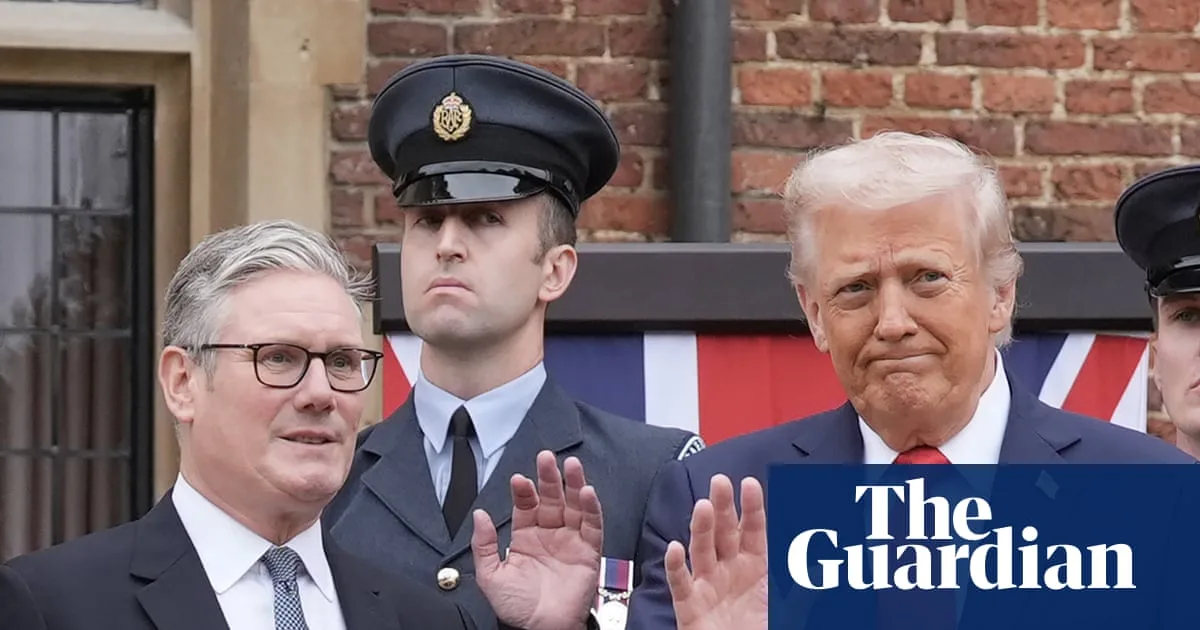
Prime Minister Keir Starmer has diligently worked to preserve amicable relations with President Trump, exemplified by his strategic overtures during his inaugural visit to the Trump White House, where he extended an invitation for an unprecedented second state visit to the UK. Despite these efforts, Trump has persistently rebuked Starmer for what he views as insufficient enthusiasm in backing the offensive against Iran, famously quipping earlier this month, "This is not Winston Churchill that we're dealing with."

Downing Street remains steadfast in its conviction that its policy of supporting only defensive measures against Iranian drone and missile strikes aligns with international law and resonates with British public sentiment. In a recent Sunday phone conversation, Starmer and Trump discussed the ongoing Middle East situation and the imperative of reopening the Strait of Hormuz to alleviate global shipping disruptions and associated cost increases worldwide, as per an official readout from Number 10.

The unfolding dynamic highlights the delicate balance the UK must strike between maintaining its historic alliance with the United States and asserting its independent foreign policy prerogatives in a complex geopolitical landscape.




