The UK Government has given the green light for China to construct a major new embassy complex in central London, a decision that has ignited fierce criticism from MPs and campaigners over national security risks.
Approval Granted Despite Warnings
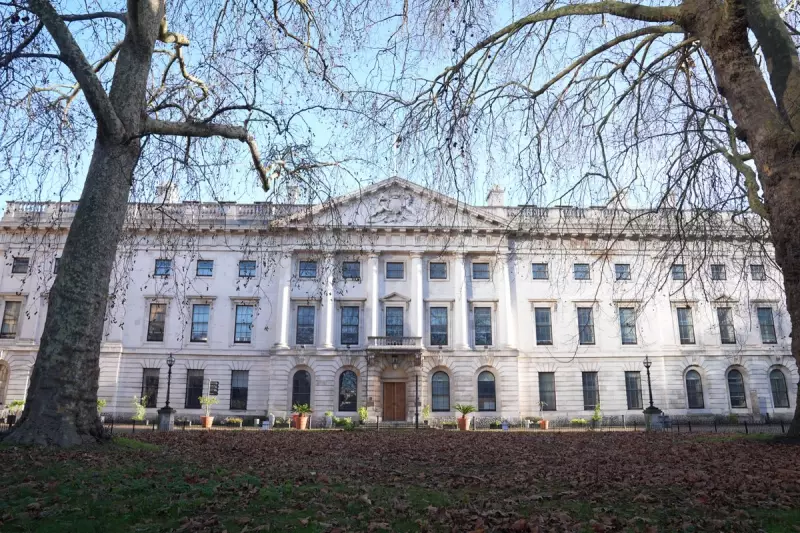
Local Government Secretary Steve Reed approved the plans for the building at Royal Mint Court in Tower Hamlets, east London, on Tuesday 20 January 2026. The site, near the Tower of London, was formerly home to the Royal Mint. The decision concludes a delayed process, with MPs from across Parliament having previously urged ministers to reject China's application.
Critics, including the Labour-led Joint Committee on the National Security Strategy, have warned that the embassy—set to be the largest Chinese diplomatic mission in Europe—would "create a hub for expanded intelligence-gathering and intimidation operations." Specific concerns were raised about proposed hidden rooms and the site's proximity to vital communication cables serving the UK's financial sector.

Government Defends "Quasi-Judicial" Process
In a written statement, Mr Reed, the Communities Secretary, insisted the approval followed a "quasi-judicial process" based on evidence and planning rules. "All material considerations were taken into account when making this decision," he stated, adding that the ruling is final unless successfully challenged in court.
A Government spokesperson argued that establishing embassies is a normal part of international relations and stressed that national security is the "first duty." They revealed that intelligence agencies were involved throughout, and an extensive range of measures was developed to manage risks. The spokesperson also pointed to "clear security advantages" in consolidating China's seven current London sites into one location.
Political Backlash and Legal Challenges Loom
The decision has triggered a swift and sharp political backlash. Senior Conservatives condemned the move, with Shadow Communities Secretary Sir James Cleverly calling it "a disgraceful act of cowardice." Shadow Foreign Secretary Dame Priti Patel accused Prime Minister Sir Keir Starmer of having "sold off our national security."
The Liberal Democrats labelled it Sir Keir's "biggest mistake yet," with foreign affairs spokesman Calum Miller warning it would amplify China's surveillance efforts and endanger data security. Luke de Pulford of the Inter-Parliamentary Alliance on China said the decision was "wrong for UK national security."
Opponents are now preparing legal action. Local residents are fundraising to launch a judicial review against the project, setting the stage for a fresh round of courtroom battles over the site.
Diplomatically, the approval removes a significant hurdle in UK-China relations, clearing the path for Sir Keir Starmer's widely-anticipated visit to China, which could happen within weeks.