UK Stands Firm on Russian Sanctions as US Eases Oil Restrictions
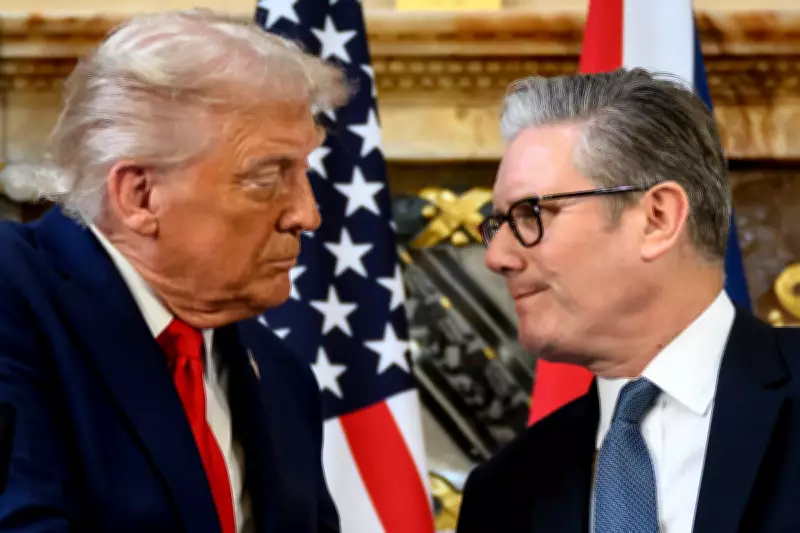
The United Kingdom has firmly stated it will not align with the United States in relaxing sanctions against Russian oil, even as global prices surge dramatically. This defiant position from the British government risks reigniting tensions with US President Donald Trump, who has previously criticised Prime Minister Keir Starmer's foreign policy approach.
US Temporarily Allows Purchase of Stranded Russian Oil
The Trump administration announced late on Thursday that it would temporarily permit countries to acquire Russian oil currently stranded at sea. This decision comes despite Russia's ongoing military aggression in Ukraine, with the US Treasury Department describing it as a narrowly tailored, short-term measure aimed at stabilising turbulent global oil markets.
US Treasury Secretary Scott Bessent emphasised that this action applies only to oil already in transit and would not provide substantial financial benefit to the Russian government. Russian presidential envoy Kirill Dmitriev indicated the measure would affect approximately 100 million barrels of Russian crude.

UK Energy Minister Rejects Policy Shift
UK Energy Minister Michael Shanks responded unequivocally, telling Sky News: The UK has been really clear that our sanctions on Russia stay in place. He expressed concern that the Kremlin might view this moment as an opportunity to repair its ailing economy.
We have to do everything that we possibly can to make sure that we are bringing all pressure to bear on Russia so that we can win this war in Ukraine, Shanks asserted. He added that Britain would continue its efforts around the shadow fleet and maintain its current position without alteration.
Geopolitical Tensions and Economic Implications
The situation has been further complicated by Iran's effective closure of the Strait of Hormuz, threatening attacks on any vessels passing through this crucial global oil supply route. This blockade has contributed to oil prices spiking to over $100 per barrel, reaching levels not seen since 2022 and threatening higher inflation worldwide.
Foreign Secretary Yvette Cooper, speaking during her visit to Saudi Arabia, raised concerns about connections between Russia and Iran, suggesting Putin's hidden hand lies behind Iran's war tactics. We are very clear about the threat from both Russia and from Iran to the global economy and to all of our wellbeing, she stated.
Domestic Response to Soaring Energy Costs
Within the UK, Chancellor Rachel Reeves has vowed to crack down on what she describes as rip off fuel prices, insisting she will not tolerate energy firms exploiting the Middle East conflict. Reeves and Energy Secretary Ed Miliband are scheduled to meet with energy executives to warn against profiteering amid the oil price surge.
Those most affected include customers relying on home heating oil, which falls outside Ofgem's energy price cap, and drivers facing escalating petrol and diesel costs at filling stations. The International Energy Agency has announced it will release 400 million barrels of oil onto global markets, including 13.5 million from the UK, to prevent short-term market disruption.
Prime Minister Starmer has emphasised his commitment to de-escalate the situation and is coordinating with international leaders on oil supply matters. This stance follows criticism from both political opponents and allies regarding Britain's initial response speed when hostilities began in the region.