The UK Government has publicly reaffirmed its dedication to protecting free speech, following a controversial move by the United States to bar the head of a prominent online safety group from entering the country.
Sanctions and Accusations from Washington
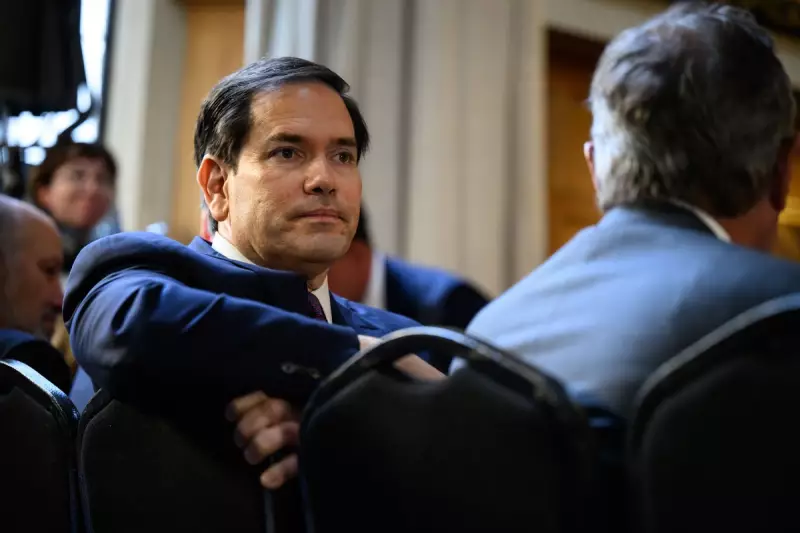
Imran Ahmed, the chief executive of the Centre for Countering Digital Hate (CCDH), is one of five European individuals targeted by the Trump administration. US Secretary of State Marco Rubio accused them of orchestrating efforts to "coerce American platforms to punish American viewpoints they oppose." The action, executed under immigration law, signals a broader campaign against perceived foreign influence over online speech in the US.
Mr Ahmed, who is from Manchester, has notable political connections in the UK. He previously served as an adviser to Hilary Benn during his time as shadow foreign secretary. Furthermore, Sir Keir Starmer's current chief of staff, Morgan McSweeney, was listed as a director at the CCDH until his resignation in April 2020.

UK and European Backlash
In response to the sanctions, a UK Government spokesperson emphasised the nation's commitment to free expression while acknowledging the right of countries to set their own visa rules. The statement also supported institutions working to keep the internet free from the most harmful content, such as child abuse material and incitements to violence.
The move has sparked significant criticism across Europe. French President Emmanuel Macron condemned the sanctions as "intimidation and coercion" designed to undermine European digital sovereignty. Similarly, the European Union's foreign policy chief, Kaja Kallas, labelled the travel restrictions "unacceptable" and an attempt to challenge the bloc's sovereignty.
In the UK, the Liberal Democrats accused the Trump administration of using "bullying tactics" and attempting to interfere in European politics. The party's foreign affairs spokesman, Calum Miller, argued the sanctions were an attack on free speech itself.
Broader Context and Personal Motivations
The CCDH has been a focal point of controversy. In October 2024, tech billionaire Elon Musk declared "war" on the group, calling it a "criminal organisation." Mr Ahmed has stated that his motivation for founding the CCDH stemmed from witnessing the rise of antisemitism and the murder of his colleague, Labour MP Jo Cox, by a white supremacist radicalised online.
The other individuals sanctioned alongside Mr Ahmed include Clare Melford of the Global Disinformation Index, former EU commissioner Thierry Breton, and German non-profit leaders Anna-Lena von Hodenberg and Josephine Ballon of HateAid. The Trump administration has indicated that further actions, potentially targeting serving politicians, could follow.
This incident underscores the growing transatlantic rift over who controls the rules governing speech and disinformation on digital platforms, setting the stage for continued diplomatic friction.