Foreign Secretary to Face Questions After UK Blames Kremlin for Navalny Death
The Foreign Secretary is set to face intense questioning from broadcasters after Britain and its allies formally blamed the Russian state for the death of opposition leader Alexei Navalny. Yvette Cooper will tour broadcast studios on Sunday morning, following a coordinated announcement that pinned responsibility on the Kremlin and suggested Navalny was likely poisoned using a toxin from dart frogs.
International Condemnation and Evidence
The Foreign Office, alongside four key allies – Sweden, France, Germany, and the Netherlands – made this significant declaration two years after Navalny's death in a Siberian penal colony. This move represents a stark escalation in diplomatic pressure on Moscow, which has consistently denied any involvement in the incident.
Following meticulous analysis of samples from Navalny's body, the UK and its partners concluded there was no innocent explanation for the presence of Epibatidine, a toxin naturally produced by wild dart frogs in South America, on his remains. This finding has been presented as compelling evidence of state-sponsored assassination.

Cooper's Strong Statements at Munich Conference
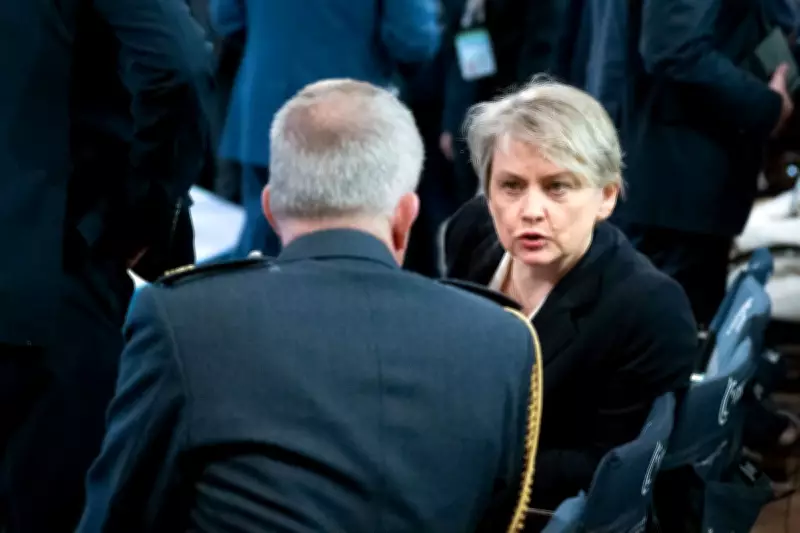
Speaking at the Munich Security Conference on Saturday, Foreign Secretary Yvette Cooper delivered a forceful condemnation. She stated, "Only the Russian Government had the means, motive and opportunity to deploy this lethal toxin against Alexei Navalny during his imprisonment in Russia." Cooper emphasized that Russia viewed Navalny as a direct threat to its authority.
During the major conference in Germany, Cooper also met with Navalny's widow, Yulia Navalnaya, who had originally announced her husband's death at the same gathering back in 2024. Cooper added, "By using this form of poison the Russian state demonstrated the despicable tools it has at its disposal and the overwhelming fear it has of political opposition."
Broader Implications and Political Reactions
Prime Minister Sir Keir Starmer reinforced the UK's stance, insisting that Britain would continue to pressure Russia over its use of chemical and biological weapons. He paid tribute to Navalny's "huge courage in the face of tyranny," highlighting the moral and strategic dimensions of the issue.
A joint statement issued by the UK and its allies declared, "Russia’s repeated disregard for international law and the Chemical Weapons Convention is clear." They pointed to previous incidents, including the 2020 attempt to poison Navalny with the nerve agent Novichok, which followed the Salisbury poisonings in 2018. The five nations expressed deep concern that Russia had not destroyed all of its chemical weapons stockpiles.
The statement further asserted, "We and our partners will make use of all policy levers at our disposal to continue to hold Russia to account," signaling a sustained international effort to impose consequences.
Opposition Response and Ongoing Developments
Shadow foreign secretary Dame Priti Patel responded to the revelations, stating, "These appalling findings confirm what we have long suspected: Alexei Navalny was murdered for daring to speak out against Putin’s barbaric regime." She described it as a horrific reminder of the threat Russia poses to freedom and democratic values, urging Britain and its allies to stand firmly against Russian aggression.
Dame Priti is scheduled to speak at the Munich conference on Sunday, indicating that the issue will remain at the forefront of diplomatic discussions. The coordinated blame from multiple Western nations underscores a unified front in confronting Moscow's actions, with potential implications for future sanctions and foreign policy measures.