Yvette Cooper Asserts UK's Global Aid Role Persists Amid Financial Reductions
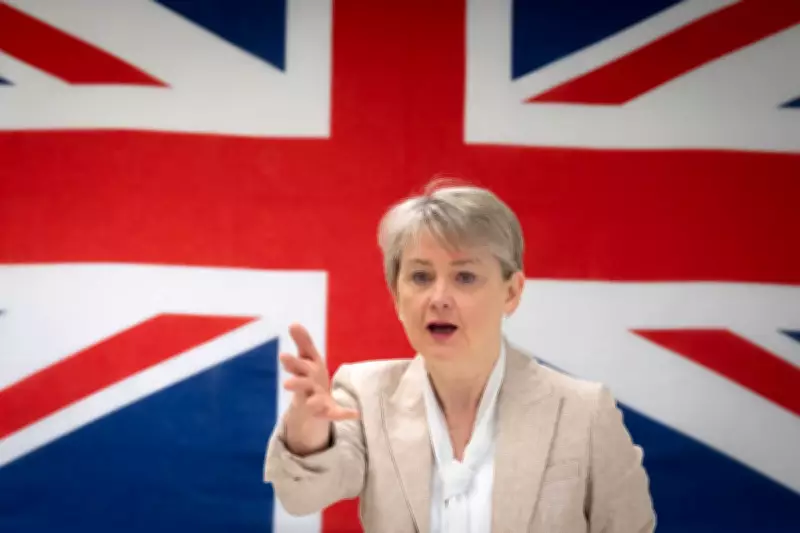
Foreign Secretary Yvette Cooper has declared that the United Kingdom will continue to be a "major player" in international aid, even as the government implements widespread cuts to funding allocations. In a statement to the House of Commons, Cooper acknowledged that difficult decisions were necessary but emphasized a modernized approach focused on "partnership not paternalism" to maintain the UK's leadership on the global stage.
Hard Choices and Strategic Shifts in Aid Allocation
Cooper explained that allocating a reduced budget inevitably involves hard choices and unavoidable trade-offs. The government is now concentrating aid on the people and places most in need, with the UK expected to remain the fifth largest funder worldwide. She highlighted that this new strategy reflects both British values and interests, aiming for a world free from extreme poverty on a liveable planet.
The aid budget was slashed earlier this year from 0.5% to 0.3% of gross national income to finance increased defence spending. Total official development assistance (ODA) spending is projected to drop from £10 billion in 2026-27 to £8.9 billion the following year, before a slight increase to £9.4 billion in 2028-29. This represents a fundamental change in Britain's aid philosophy, shifting from being a donor to an investor by providing expertise and technical support alongside funding.

Prioritizing Humanitarian Crises and Key Initiatives
Assistance to countries devastated by conflict has been prioritized, including humanitarian support for Ukraine, Gaza, Lebanon, and Sudan. Support for women and girls will also be a central theme, alongside efforts to mobilize private investment and collaborate with international institutions like the World Bank. Cooper confirmed that the UK will withdraw from traditional bilateral funding for G20 countries, which account for about 85% of global GDP, while maintaining humanitarian priorities in nations such as Yemen, Somalia, and Afghanistan.
In a notable adjustment, the BBC World Service will receive an additional £11 million annually, but funding for the Independent Commission for Aid Impact will be cut by 40%. Foreign Office minister Baroness Chapman stated that discussions have been held to ensure the external inspectorate remains functional despite the reduction.
Political Scrutiny and Defence Versus Aid Debate
Conservative shadow foreign minister Wendy Morton criticized the announcement for lacking specifics on how aid and development spending reforms would be implemented. She questioned which programmes have been cancelled, partnerships scaled back, or commitments abandoned, urging a focus on driving genuine outcomes with rigorous criteria.
In response, Cooper pointed out that Conservative Party policy proposes reducing development to 0.1% of GNI, a two-thirds cut compared to the current plan, without clarity on impacts for regions like Sudan or global health initiatives. She stressed that prosperity and stability in lower-income countries are crucial for domestic outcomes, including cost of living, border security, and economic resilience.
Sarah Champion, chairwoman of the International Development Committee, supported the general policy direction but questioned the logic of prioritising defence over aid. She argued that development money serves as a first line of defence by promoting safety, security, and prosperity, warning that reducing it could have significant consequences in the current global context.
Impact Assessment and Future Implications
The equality impact assessment of the ODA programme confirms a 31% reduction in total spend. Multilateral spending, though prioritised, will decrease by approximately 22%, leading to scaled-back benefits due to absolute reductions. Bilateral ODA will see a more substantial cut of 37%, reflecting the government's strategic realignment towards investment-driven partnerships rather than direct grants.
Cooper concluded by reaffirming the UK's sustained commitment to international development, asserting that it delivers benefits both at home and abroad, upholding British values while addressing global challenges.