
The United States has bombarded Venezuela and captured its president, Nicolás Maduro, in the first direct US military attack on a South American country, following a long history of interventions across the region. President Donald Trump declared that "American dominance in the western hemisphere will never be questioned again".
The action marks an unprecedented escalation, with previous US military operations confined to Central America and the Caribbean. According to Maurício Santoro, a professor of international relations at the State University of Rio de Janeiro, the move signals a major shift in foreign and defence policy, made explicit in the Trump administration's new national security strategy. That strategy calls for an expansion of the US military presence in the region, described as a "Trump corollary" to the Monroe Doctrine of 1823.
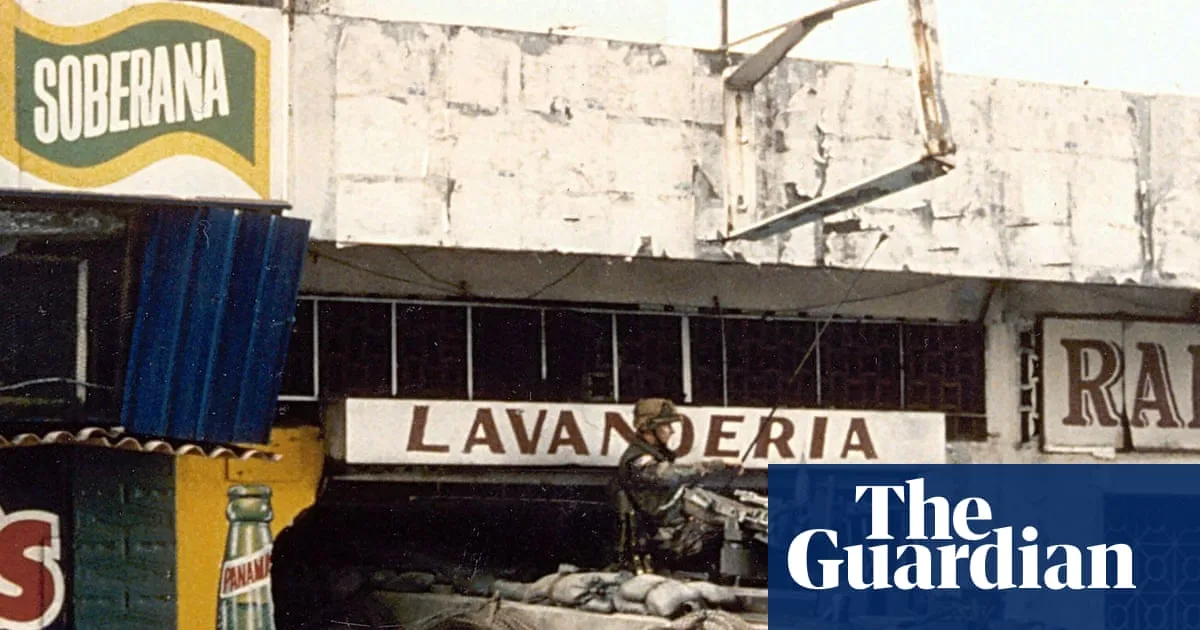
Alan McPherson, a history professor at Temple University and author of A Short History of US Interventions in Latin America and the Caribbean, said the action was "in line" with past operations but "shocking because nothing like this has happened since 1989", referring to the capture of Panama's dictator Manuel Noriega. "One might have thought that this era of naked imperialism – of the US getting the political outcomes it wants in Latin America through sheer military force – would be over in the 21st century, but clearly it is not," he added.
The region has long experienced US interference. In 1847, US troops occupied Mexico City, forcing Mexico to cede 55% of its territory, including present-day California, Nevada and Utah. In 1898, the US took control of Puerto Rico after helping Cuba win independence from Spain, and later backed the failed Bay of Pigs invasion in 1961. The US invaded Haiti in 1915, taking control of its customs, treasury and national bank until 1934, and later supported dictator François "Papa Doc" Duvalier against an attempted rebellion.
Covert actions have also been widespread. A US naval taskforce was positioned off Brazil's coast during the 1964 coup that overthrew João Goulart, and in the 1970s the CIA and FBI advised military dictatorships in Brazil, Chile and Argentina in persecuting dissidents under Operation Condor. The US also militarily backed the separatist movement that led to Panama's break from Colombia in 1903, and later captured its dictator Manuel Noriega in 1989. These events illustrate the enduring pattern of US intervention that critics say is now repeating in Venezuela.




