
Donald Trump's Venezuela policy confirms he has no time for rules or process, and America's allies must find new ways to guarantee their own interests, according to a Guardian editorial. The capture of former Venezuelan president Nicolás Maduro in Caracas last weekend was a spectacular assertion of American power, brushing aside the remnants of the post-1945 rules-based order.
John Bew, a former Downing Street foreign policy adviser, described history unfolding 'in a series of flashes and bangs' in the New Statesman. The editorial notes that historic US allies are struggling to understand and respond to these changes, which raise stark questions about power. While the British government should not be condemned for hesitation, the hesitations cannot continue indefinitely, and a mature debate on a clear new international direction is needed.
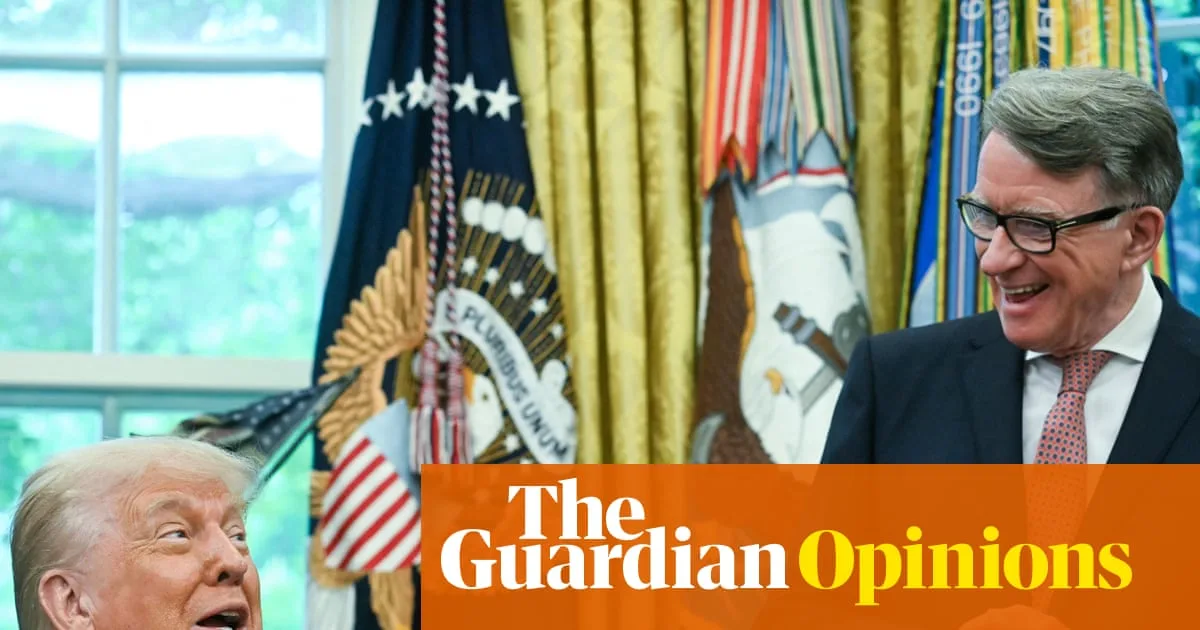
Writing in the Spectator, former ambassador to Washington Peter Mandelson argued that Europe and the UK lack the means and will that Trump possesses. 'In Caracas, Mr Trump did more in a day than diplomacy has achieved in 10 years,' he wrote, calling for collective deployment of 'hard power and hard cash' to reclaim a seat at the table. The editorial acknowledges many will disagree with this realpolitik, but notes that officials and academics are trying to make sense of the US transformation from necessary power to rogue state.
According to Bew, the Caracas events mark three things: an increased US willingness to use executive power for swift military action; a further assertion of American mercantilism controlling oil, gas and minerals; and a turn to a hemispheric approach, potentially giving China and Russia freer rein in other regions. The editorial concludes that while these shifts are regrettable, the old world is not coming back, and countries like Britain must decide on economic and technological adaptations to protect their interests.




