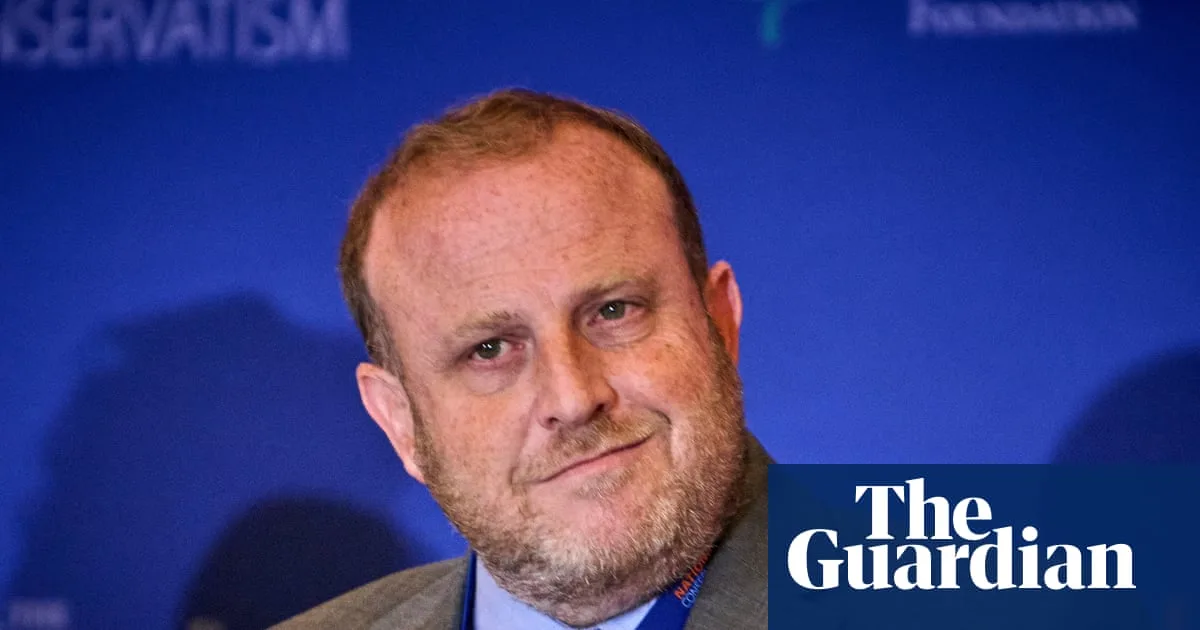
Jeremy Carl, a nominee for the role of Assistant Secretary of State for International Organizations, has officially withdrawn from consideration. The decision was announced on Tuesday, marking a significant development in the ongoing political appointments under the Trump administration.
Nomination Withdrawal Details
Carl, who was nominated by former President Donald Trump, expressed his gratitude to both Trump and Secretary of State Marco Rubio for their support during the nomination process. In a statement, he highlighted that his withdrawal was primarily due to the absence of unanimous Republican backing within the Senate Foreign Relations Committee. This lack of consensus among GOP senators proved to be a critical obstacle, ultimately leading to his decision to step aside.
Controversial Comments and Opposition
The nomination faced substantial opposition from lawmakers, largely stemming from Carl's past remarks that were deemed controversial. During his nomination hearing in February, Carl was rigorously questioned about his previous comments regarding Jewish people, which were labeled as "insensitive." Additionally, his association with the "great replacement theory"—a discredited conspiracy theory often linked to white supremacy—further fueled the scrutiny and resistance from senators.
Critics pointed to what they described as "anti-Israel views" and other statements that raised concerns about his suitability for the high-profile diplomatic position. These issues contributed to a broader debate within the Republican Party, highlighting divisions over the nominee's past expressions and their implications for U.S. foreign policy.
Rare Republican Rebuke
This withdrawal represents a rare instance where Republican senators have openly rebuked a nominee put forward by a U.S. president from their own party. The move underscores the complexities and internal challenges within the GOP, particularly when it comes to confirming appointments that involve sensitive international and diplomatic matters.
Carl's background includes his involvement in discussions on immigration, as evidenced by his participation in Harvard University's second annual Conservative and Republican Student Conference in 2025. However, this experience did not shield him from the intense scrutiny and opposition that ultimately led to his withdrawal.
The episode serves as a reminder of the heightened political tensions and the rigorous vetting process that nominees must navigate, especially in roles that impact global relations and organizational diplomacy. As the Trump administration continues to shape its foreign policy team, this withdrawal may influence future nomination strategies and bipartisan cooperation in the Senate.