Trump's NATO Troop Comments Prompt Widespread Condemnation
Donald Trump has built a reputation on provocation, but his latest remarks about NATO allies' military contributions have struck a particularly raw nerve. The former US president's comments suggesting European troops avoided frontline combat in Afghanistan have drawn immediate and forceful condemnation from across the British political spectrum.
Escalating Rhetoric Meets Firm Rebuttal
Trump's criticism of NATO is not new. At Davos, he repeated his familiar claim that "What we have gotten out of NATO is nothing, except to protect Europe from the Soviet Union and now Russia." This statement was so factually inaccurate that even Nigel Farage felt compelled to challenge it publicly.
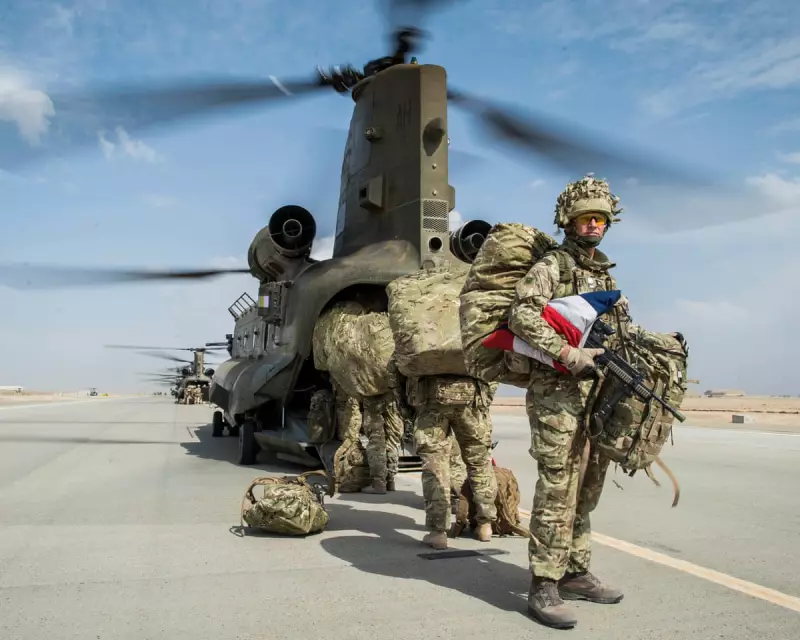
However, Trump escalated his rhetoric significantly during a Fox News interview, where he expressed doubt about whether NATO allies would support the US if needed. He specifically targeted allied contributions in Afghanistan, stating: "We've never needed them. We have never really asked anything of them. They'll say they sent some troops to Afghanistan ... and they did, they stayed a little back, a little off the front lines."

These remarks represent a new low in political discourse, even in an era saturated with outrageous social media commentary. Disparaging soldiers who made the ultimate sacrifice in conflict crosses a fundamental line of decency respected across most nations.
British Political Response
British politicians have been quick to condemn Trump's statements. Health Minister Stephen Kinnock, speaking during a government media round, delivered a particularly strong rebuke. He told Sky News: "President Trump's comments are deeply disappointing, there is no other way to say that. I don't know really why he said them. I don't think there's any basis for him to make those comments."
Kinnock elaborated on the significance of allied sacrifices, explaining: "Many, many British soldiers and many soldiers from other European NATO allies gave their lives in support of American missions, American-led missions in places like Afghanistan and Iraq ... I think anybody who seeks to criticise what they have done and the sacrifices that they make is plainly wrong."
The minister noted the broad political consensus against Trump's remarks, adding: "I think the reaction to President Trump's comments are very clear from right across the political spectrum, and I think the British public feels very strongly about the need to defend our armed forces and to support them in the incredibly important work that they do in the dangerous and turbulent world in which we live."
While Prime Minister Keir Starmer has maintained a cautious approach toward criticizing Trump over the past year, Kinnock indicated this issue would likely be raised directly with the former president. "He will, I'm sure, be raising this issue with the president," Kinnock told LBC.
Today's Political Agenda
Meanwhile, Westminster continues with its regular business. Peers resume their debate on the assisted dying bill at 10am, though supporters believe filibustering by opponents has effectively doomed the legislation before the end of this parliamentary session.
Conservative leader Kemi Badenoch is conducting a visit in Essex, while Liberal Democrat leader Ed Davey is undertaking separate engagements in Surrey. Downing Street will hold its regular lobby briefing at 11.30am.
In Scotland, Labour leader Anas Sarwar will hold a press conference in the early afternoon addressing the ongoing hospital infections scandal, highlighting how domestic health concerns continue alongside international diplomatic tensions.