Donald Trump is asserting that the United States is decisively winning its war with Iran, yet he has issued a stark demand for NATO assistance to secure the critical Strait of Hormuz. He warns that the Western alliance faces a "very bad" future if members refuse, but Germany's defence minister swiftly retorted that this conflict is not theirs. This tension underscores a broader reality: while American forces hold overwhelming military superiority, the battle has shifted to oil routes, international alliances, and domestic politics, where Tehran is actively testing Western cohesion.
Military Dominance Meets Strategic Complications
Alongside Israel's Benjamin Netanyahu, President Trump initiated the conflict with an illegal attack that assassinated Iran's supreme leader. The U.S. has demonstrated its capability to devastate Iran's economy by targeting military assets while sparing key oil facilities on Kharg Island, sending a blunt message of economic leverage. However, the charge sheet includes grave incidents like the sinking of an Iranian frigate and a school bombing that killed 168 people, mostly young girls, leading allies to hesitate in joining what Pentagon chief Pete Hegseth terms a "politically incorrect war."
Iran's Asymmetric Warfare Strategy
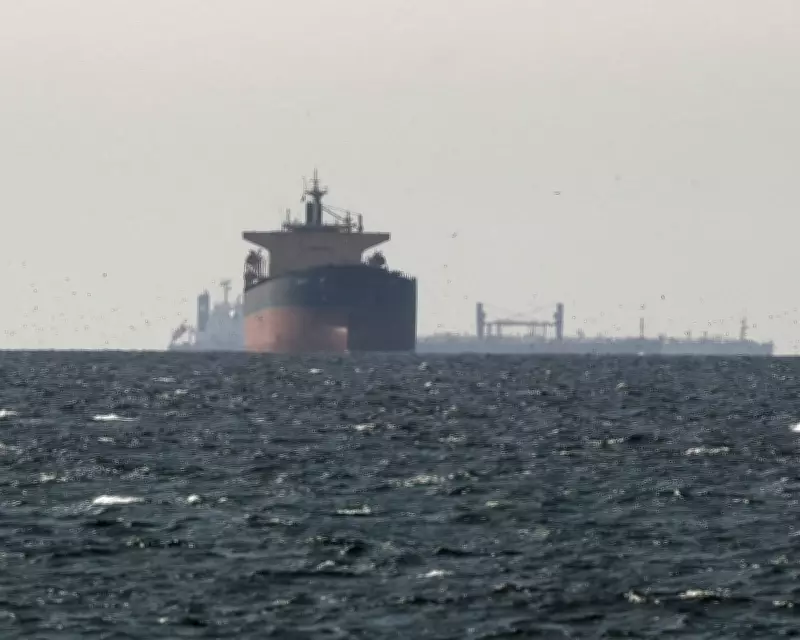
Recognising it cannot prevail in a conventional war, Iran has adopted a strategy to make the conflict unsustainable for the U.S. by widening it. This includes attacks on U.S. military bases in the Gulf, disrupting tanker traffic through the Strait of Hormuz, and sending shockwaves through global energy markets. With the strait carrying approximately 20% of global oil trade, even a few mines can cause significant shutdowns, transforming a military contest into a political and economic struggle aimed at fracturing U.S. alliances over time.

The Dilemma of Securing the Strait
Trump argues that nations dependent on Gulf oil should assist in securing the Strait of Hormuz, but many are exercising caution for valid reasons. Naval escorts would face threats from Iranian drones, missiles, swift boats, and mines, potentially embroiling participants in an illegal war. While the U.S. could attempt to secure shipping alone, doing so without traditional allies would highlight Washington's isolation. European and Gulf nations must also weigh domestic reactions, caught between U.S. alliances and public sentiment against escalation.
Escalation Risks Across Multiple Fronts
The situation is further complicated by Israel's invasion of Lebanon, which has displaced nearly a million people in efforts to neutralise Iran's proxy, Hezbollah. As wars spread across multiple fronts, control over escalation diminishes. If Tehran's Yemeni allies, the Houthis, join the fray, the conflict could rage from Lebanon to the Gulf and the Red Sea, each new theatre adding grievances and risks. This dynamic echoes historian Robert Pape's "escalation trap," where initial military victories give way to struggles in oil markets, shipping lanes, and political arenas.
The United States possesses the capacity to inflict greater suffering on Iran, but such actions risk amplifying the political and economic fallout that Tehran seeks to create. Trump's demand for allied help in reopening the Strait of Hormuz does not indicate military weakness; rather, it signals that the war has transitioned to a battlefield where sheer military strength holds less sway, and the outcomes hinge on alliance solidarity and global economic stability.