Trump's Toy Soldier Obsession in Iran Leaves Global Mess to Clean Up
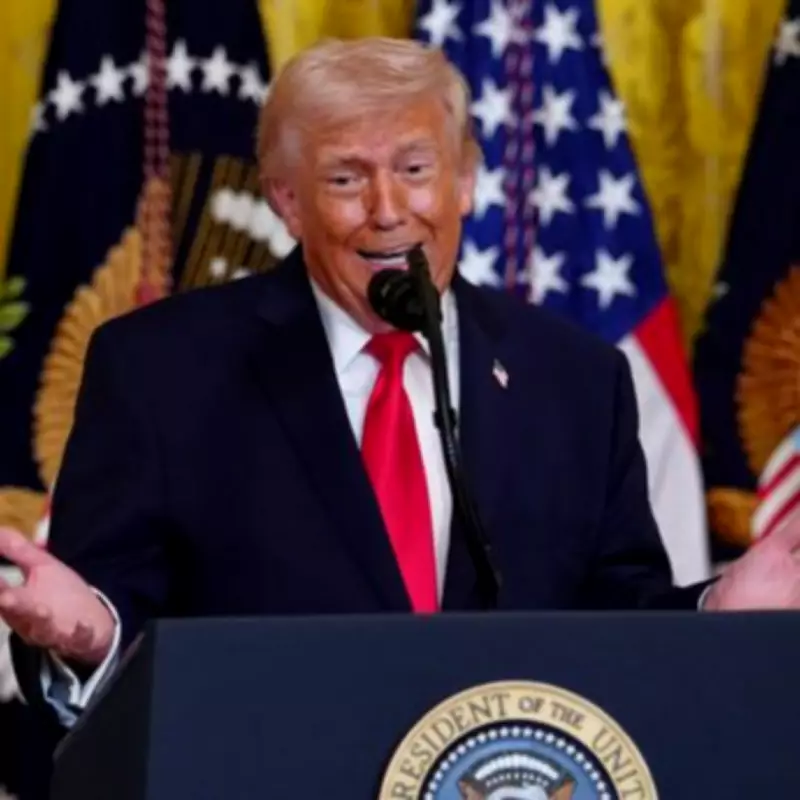
Donald Trump's fixation with military power in Iran is creating a crisis the rest of the world will have to resolve, according to security expert Professor Michael Clarke. The Visiting Professor at King's College London argues the US president is enthralled by destructive capability but lacks any coherent political strategy to achieve meaningful victory.
Military Might Without Strategic Direction
The United States continues to increase its military presence across the Middle East daily, yet possesses no clear political framework to convert this overwhelming force into a decisive win. "Trump is in thrall to the awesome destructive power of the US military under his command," Clarke states. "So much in thrall, he doesn't know what to do with it."
The conflict that began two weeks ago is rapidly spinning out of control. Only Trump and his circle of amateur advisors appeared surprised when Tehran followed through on its threat to set the region ablaze if attacked. The Iranian regime is now executing this promise with devastating consequences.

Iran's Calculated Regional Strategy
While Tehran loses military assets daily to US and Israeli strikes, it maintains a clear political strategy designed to maximize regional disruption. Iran has closed the strategic Straits of Hormuz, attacked energy production facilities wherever possible, disrupted international air travel and banking systems, and launched widespread cyber-attacks.
The regime simultaneously suppresses domestic dissent through brutal force, shooting protestors who dare oppose its authority despite lacking popular support. Clarke warns that if the Islamic revolutionary government collapses in coming weeks, it will likely attempt to bring the entire region down with it.
Historical Precedents and Current Dangers
"Saddam Hussein tried it in Iraq in 1991; Colonel Gaddafi tried it in Libya in 2011," Clarke notes. "The Mullahs in Tehran have a lot more going for them if they try the same in 2026." Meanwhile, President Trump offers different justifications daily for initiating this conflict, revealing the absence of strategic coherence.
The Pentagon grows increasingly desperate as the situation deteriorates. While US forces can continue aerial bombardment of Iranian targets, reopening the Straits of Hormuz to international shipping requires ground forces willing to engage in difficult, close-quarters combat. The potential deployment of the 31st Marine Expeditionary Unit—2,500 or more US marines—suggests this dangerous escalation may be under consideration.
Regional Consequences and Global Implications
Israel continues its parallel war against Hezbollah in Lebanon regardless of broader developments. Western nations find themselves limited to protecting their own interests and allies as the conflict escalates unpredictably. Clarke predicts Trump will eventually "declare victory and leave," but this political maneuver won't stop the fighting.
The international community will inherit the monumental task of stabilizing a region destabilized by what Clarke characterizes as Trump's "toy-soldier fixation." The professor's analysis suggests the current approach prioritizes military spectacle over sustainable political solutions, creating problems that will outlast any temporary battlefield successes.