Trump's Contradictory Iran War Comments Spark Immediate Backlash
Former President Donald Trump has drawn significant criticism for contradictory remarks regarding US military involvement in the ongoing conflict in Iran, specifically concerning the protection of the strategic Strait of Hormuz. During a conversation with reporters aboard Air Force One on Sunday, Trump suggested that American efforts to secure the vital waterway might be unnecessary, stating, "Maybe we shouldn't even be there at all."
Conflicting Statements Amidst Calls for Allied Support
This comment directly contradicts his earlier pleas to European and NATO allies to enter the war and assist the United States in securing the Strait of Hormuz. The strait is currently at the center of the largest oil supply disruption in recorded history, following military strikes that have devastated parts of Tehran. Trump argued that other nations should bear responsibility, saying, "Really, I'm demanding that these countries come in and protect their own territory – because it is their territory."
He further elaborated, "You could make the case that maybe we shouldn't even be there at all, because we don't need it. We have a lot of oil. We're the number one producer anywhere in the world times two." This stance has been met with immediate backlash from critics who accuse Trump of initiating an unnecessary conflict and then demanding international support to resolve it.
Social Media and Public Outcry
The backlash was particularly vocal on social media platforms, where users questioned the coherence of Trump's position. One post highlighted the families of the thirteen US service members killed in the conflict as of Sunday, pondering how they might react to the suggestion that American involvement was unwarranted. Stephan Douglas, cousin of Tech Sgt Tyler Simmons – one of six airmen killed in a recent tanker crash – expressed profound grief, telling Ohio ABC News affiliate WCMH, "This could have been prevented. We didn't need to be in this war. This is uncalled for, and this is what we get."
International Reactions and Diplomatic Tensions
Trump's comments come amid heightened diplomatic tensions. On the same day, he reversed his earlier stance and increased pressure on various countries to contribute to defending the strait. However, nations including Australia, France, and Japan have stated they have no plans to deploy warships. UK Prime Minister Keir Starmer emphasized on Monday that while working with European allies on "a viable plan" to reopen the strait, the UK "will not be drawn into the wider war."
Luxembourg's Deputy Prime Minister Xavier Bettel was more direct, asserting that his country would not succumb to "blackmail" from the United States. Trump, during his Sunday remarks, framed the US effort as a habitual action and a favor to allies, stating, "It's almost like we do it for habit, but we also do it for some very good allies that we have in the Middle East."
Broader Context and Ongoing Criticism
This incident is not isolated; Trump has faced criticism throughout the three-week war for failing to provide clear justifications for military strikes. He has made several antithetical statements, including telling the UK, which he referred to as a "once great ally," that its assistance was unnecessary in Operation Epic Fury. In an interview with the Financial Times, Trump adopted a more menacing tone, warning that NATO faces a "very bad" future if it does not aid the US in protecting the strait from Iranian attacks.
He also indicated he "may delay" traveling to a summit with Chinese President Xi Jinping until he ascertains whether China, an ally of Iran, will offer support. The progressive outlet MeidasTouch reposted a reply to video of Trump's comments, which simply read, "Sorry, what was that?" underscoring the widespread confusion and criticism.
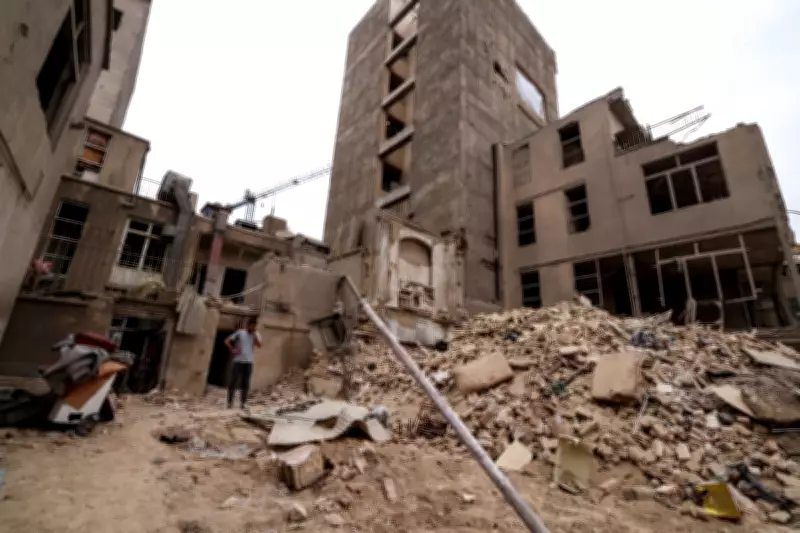
The destruction in Tehran following military strikes on March 15, 2026, serves as a stark backdrop to these developments, highlighting the human and material costs of the conflict. As the situation evolves, Trump's contradictory remarks continue to fuel debate over US foreign policy and international cooperation in times of crisis.