Trump's Iran Strikes Push Middle East to Brink of Total Calamity
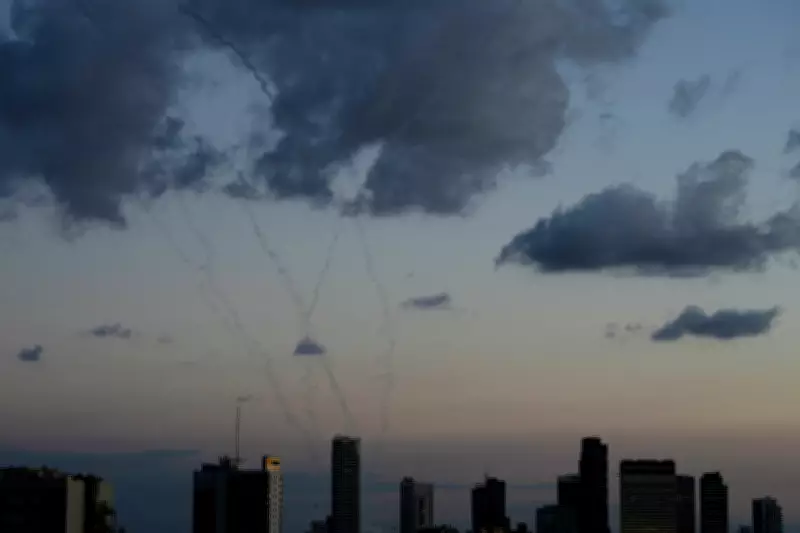
The Middle East stands on the precipice of total calamity following coordinated military strikes by the United States and Israel against Iran. As air raid sirens blared across Jerusalem for the third time in a single morning, residents huddled in shelters, their faces etched with the weary familiarity of a conflict that has now entered a dangerous new phase.
Shelter Life Amid Escalating Conflict
In one Jerusalem neighborhood, approximately thirty people ranging from a two-week-old infant to elderly grandparents crowded into a shelter for forty minutes during the latest missile alert. The shelter contained basic amenities including a lavatory, nearly enough chairs, and intermittent Wi-Fi connectivity. For many, this was a grim return to the same shelter where they spent much of the twelve-day war between the two nations last year.
One resident noted with grim irony that the USS Gerald R Ford aircraft carrier, centerpiece of what Donald Trump has called his "beautiful armada" assembled for this unpredictable onslaught, measures longer than Tel Aviv's famous Azrieli tower stands tall. Yet despite the proximity of the conflict, residents avoided discussing the whys and wherefores of this latest escalation, let alone the crucial unknowns of duration, human cost, and ultimate outcome.

Contradictory Justifications and Ambiguous Aims
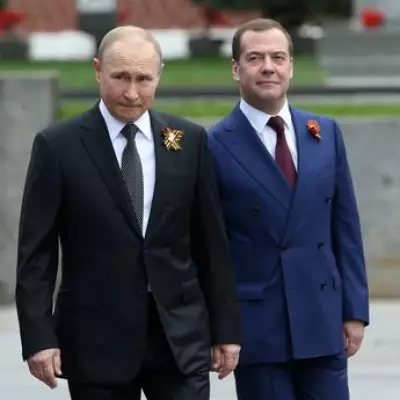
While ordinary citizens remained reticent, political leaders were anything but. President Trump, undoubtedly aware of public skepticism about risking American lives in another Middle Eastern military adventure, framed "this massive and ongoing operation" as necessary to halt historic Iranian hostilities dating back to the 1979 takeover of the US embassy in Tehran and including the 1983 Beirut bombing that killed 241 American service personnel.
In a near-final flourish, Trump directly addressed the Iranian people, declaring that "the hour of your freedom is at hand" and urging them to "take over your government" once military operations conclude. Israeli Prime Minister Benjamin Netanyahu reinforced this message, asserting that Iranians are now "being given the opportunity to take their destiny into their own hands."
Israel's foreign intelligence agency Mossad amplified this narrative through a new high-security Telegram channel announced in Farsi, encouraging Iranians to "share photos and videos of your just struggle against the regime with us" while promising that "together we will return Iran to its most glorious days."
Questionable Objectives and Constitutional Concerns
Despite these lofty proclamations, serious questions remain about the actual objectives of the military campaign. Netanyahu himself suggested that while toppling the Iranian regime was not the explicit "objective," it could be the eventual "result" of operations. More cynically, some observers suggest the two leaders are simply cloaking their desire to advance US and Israeli regional hegemony in the language of freedom and democracy.
The constitutional legitimacy of Trump's actions raises additional concerns, with the president bypassing Congress in his declaration of war—a move described as "skating on thin constitutional ice" by critics. Furthermore, the justifications offered by Trump and his administration have been neither consistent nor entirely truthful.
Trump's claim that Iran's nuclear program had been "obliterated" by last year's strikes has been graphically reversed by current events. His assertions that Tehran is within reach of ballistic missiles capable of reaching the United States and possesses enough material to build a nuclear bomb "within days" have been rejected by weapons experts and intelligence officials.
The Critical Question: Why Now?
With intelligence agencies in the United States and elsewhere detecting no signs that Iran has even restarted uranium enrichment since last year's strikes, let alone developed bomb-detonation mechanisms, the fundamental question remains unanswered: why launch this escalation now?
Jim Himes, ranking Democrat on the House Intelligence Committee, articulated this concern after meeting with Secretary of State Marco Rubio, stating plainly: "We have not heard articulated a single good reason for why now is the moment to launch yet another war in the Middle East."

Trump's bellicose video message in the early hours of Saturday morning failed to provide such a reason or reassure Western public opinion by declaring clear, attainable objectives for what has become a real and incalculably perilous conflict. As the Middle East teeters on the brink, the absence of coherent strategy and transparent justification leaves the region—and the world—facing an uncertain and dangerous future.