Trump's Reported Strategy on Iran War Could Prolong Global Economic Disruption
According to a recent report, President Donald Trump has indicated a willingness to conclude the United States military campaign in Iran even if the critical Strait of Hormuz remains closed. This stance could leave Tehran in control of the vital shipping lane, potentially extending economic chaos for allies and global markets. The president has told aides that a mission to forcibly reopen the strait would push the war beyond his preferred timeline of four to six weeks, as revealed by administration officials speaking to the Wall Street Journal.
Focus on Military Objectives Over Maritime Access
Instead of prioritizing the reopening of the strait, Trump has reportedly decided to concentrate on dismantling Iran's navy and missile stocks. He aims to use diplomatic pressure on Tehran to resume the flow of trade before ending the conflict. If these efforts fail, the plan involves having allies in Europe and the Gulf—countries heavily reliant on the maritime passage for imports and exports—lead the operation to pry it open.
This development comes amid escalating tensions, with Iran striking a fully loaded Kuwaiti oil tanker in the Persian Gulf and the US military bombing targets in Isfahan, a city in central Iran. Isfahan is home to one of three sites attacked by Washington in June 2025 and is likely a storage location for some of Iran's highly enriched uranium.

Strait of Hormuz as a Key Pressure Point
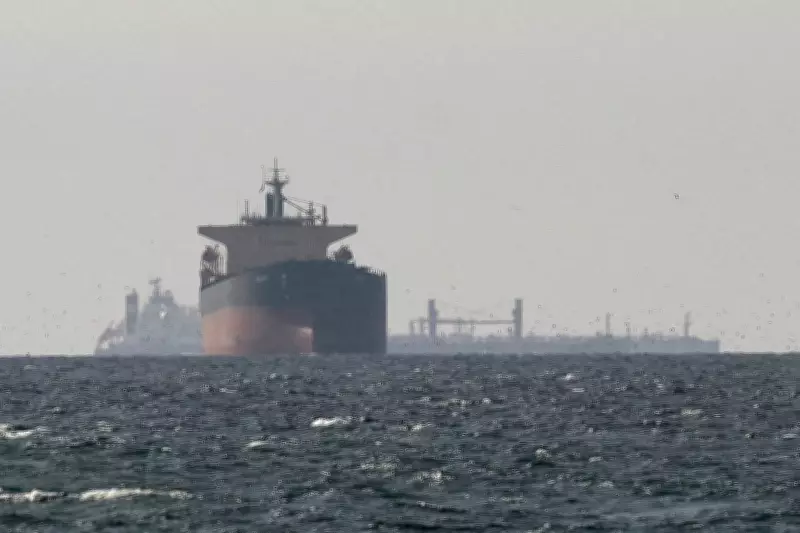
The Strait of Hormuz has emerged as Iran's most significant leverage in the conflict, with the regime imposing a de facto blockade on the waterway. This has upended global oil and gas supplies, causing energy prices to surge dramatically. The Islamic Republic has implemented a "tollbooth" system, allowing some ships to pass through by charging as much as $2 million per voyage or based on specific political and financial conditions.
The prolonged closure of this chokepoint threatens to extend disruption to the world's energy supplies, with oil prices per barrel rising above $100 for the first time since 2022. This situation poses a severe risk to global economic stability, particularly for nations dependent on the strait for energy imports.
Conflicting Statements and Military Movements
Over the past month, Trump has made conflicting statements regarding his intentions in Iran. At times, he has threatened to bomb the country's energy infrastructure or seize its main oil terminal on Kharg Island. Conversely, he has appeared to downplay the importance of the Strait of Hormuz, suggesting it is up to other countries to reopen it.
Recent military deployments include the USS Tripoli and the 31st Marine Expeditionary Unit entering the region, along with thousands of soldiers from the US Army's elite 82nd Airborne Division arriving in the Middle East. While Reuters reported that no decision has been made for American boots on the ground in Iran, these forces are positioned for potential future operations.
Administration's Stance on Reopening the Strait
On Monday, White House press secretary Karoline Leavitt told reporters that the US was "working towards" normal operations in the strait but did not include it among their main military objectives. Other administration officials have shown no urgency for immediately reopening the waterway.
In an interview on Fox News, Treasury Secretary Scott Bessent suggested that eventually, the US or other countries would provide escorts for ships. He stated, "The market is well-supplied, and we are seeing more and more ships go through on a daily basis as individual countries cut deals with the Iranian regime for the time being. But over time, the US is going to retake control of the straits, and there will be freedom of navigation, whether it is through US escorts or a multinational escort."
International Response and Readiness
Earlier this month, a group of countries including the UK, France, and Germany issued a joint statement expressing their "readiness to contribute to appropriate efforts to ensure safe passage through the [Hormuz] Strait." This indicates a growing international concern over the strait's closure and a potential willingness to collaborate on solutions, should the US strategy leave the waterway blocked.

The situation remains fluid, with Trump's reported plan raising questions about the long-term economic impact on allies and the global energy market. As tensions persist, the focus shifts to how diplomatic and military efforts will unfold in the coming weeks.