Trump's Strategic Blunder in Iran Escalates into Global Economic Threat
It is increasingly evident that Donald Trump's aggressive military campaign against Iran has backfired catastrophically. In the aftermath of Operation Epic Fury, launched on February 28, which resulted in the death of Ayatollah Khamenei and hundreds of Iranian casualties alongside 140 injured US troops, a dire and unforeseen consequence has emerged. Iran has retaliated by declaring the Strait of Hormuz closed, transforming this 25-mile-wide maritime corridor into a critical chokehold on global energy supplies.
The Strait of Hormuz: A Vital Artery Now Under Siege
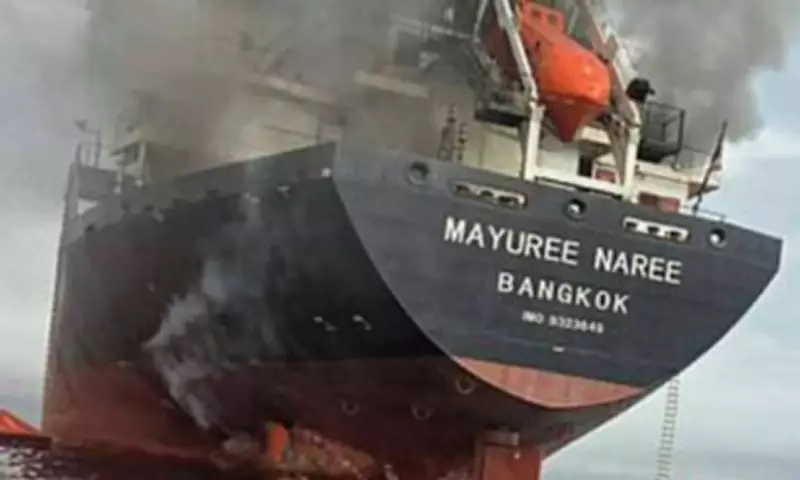
The Strait of Hormuz, situated between Iran's southern coast and the United Arab Emirates, is a linchpin of the world economy, facilitating approximately 20 percent of global oil and gas exports. Since its closure, maritime authorities have reported at least three tankers struck by 'unknown projectiles,' with one fatality confirmed. Iran's deployment of drones and marine mines threatens to seal this vital passage indefinitely, plunging international markets into turmoil.
Oil prices have already skyrocketed, surpassing $100 per barrel this week—a staggering $27 increase from pre-conflict levels. This surge is merely the initial shockwave, with experts warning of far-reaching economic repercussions. Iran's new leader, Ayatollah Mojtaba Khamenei, has vowed to maintain the blockade unless the United States and Israel provide 'compensation' for the bombardments that devastated Tehran and other cities. He has further threatened reprisal attacks on Western assets worldwide.

Military Escalation and Global Ramifications
Iran has demonstrated its capability to follow through on these threats. On Wednesday night, British troops at a joint US-UK military base in Iraq were attacked by two Iranian drones. Despite Trump's bravado in declaring victory, the reality is stark: the US cannot claim success while Iran controls the Strait of Hormuz. The crisis threatens to unleash economic chaos surpassing the oil shocks of 1973 and 1979, which triggered severe recessions across the West.
Trump now faces a perilous dilemma. To break the blockade, the US must seize control of the strait, but this cannot be achieved through naval or air power alone. A ground invasion, targeting strategic islands like Kharg or Qeshm, would require at least 20,000 troops and likely necessitate support from British forces, including the Royal Marines and SAS. Such an operation is fraught with risks and political unpopularity, especially with 48 percent of Americans strongly disapproving of the conflict and mid-term elections looming in November.
Domestic and International Fallout
The economic impact is already reverberating globally. Rising oil prices, increased insurance costs, and shipping disruptions are poised to wreak havoc on the US economy, particularly affecting Midwestern farmers reliant on Gulf exports for machinery oil and fertiliser production. Broader sectors, including automotive, manufacturing, and healthcare, face potential carnage due to secondary effects of the war.
Trump's failure to anticipate Iran's blockade is baffling, given historical precedent. In 1988, the US navy engaged Tehran in the Strait of Hormuz after the USS Samuel B. Roberts was nearly sunk by an Iranian mine, resulting in Operation Praying Mantis, which decimated nearly half of Iran's fleet. However, Iran has spent decades preparing for asymmetric warfare, investing in naval drones, anti-ship missiles, and sea mines, as evidenced by recently published footage of underground tunnels.
Proxy Threats and Limited Options
Complicating matters further, Iranian proxies like the Houthi militia in Yemen—capable of striking Red Sea shipping and blocking the Suez Canal—are likely awaiting signals to join the conflict. While the US Treasury Secretary has announced plans for naval escorts through the strait, this does not resolve Trump's bind: either risk significant military losses to keep Hormuz and the Red Sea open or tolerate oil prices soaring to $200 per barrel, an unsustainable cost for Americans and the global economy.

If Operation Epic Fury persists, history may record it as Trump's Epic Fail, underscoring a grave miscalculation with enduring consequences. The world watches as this crisis unfolds, with the Strait of Hormuz at the heart of a potential global catastrophe.