
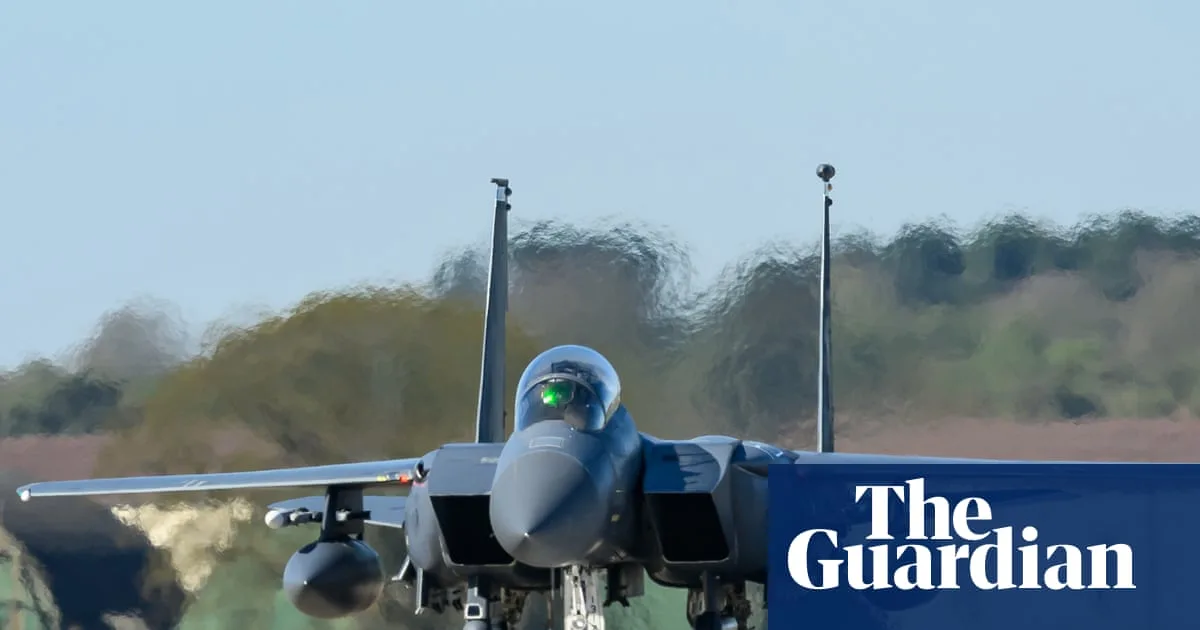
Sir Keir Starmer is under mounting pressure to limit American access to British military bases after Donald Trump threatened to destroy “a whole civilisation” if Iran did not comply with his demands. The Liberal Democrats, Greens, and several Labour MPs have called for the UK to block US missions using British or jointly operated bases, such as Diego Garcia in the Indian Ocean or RAF Fairford in Gloucestershire, for any operations against Iran.
Downing Street has so far allowed US forces to use UK bases only for defensive missions, such as targeting missile sites, and has ruled out involvement in attacks on civilian infrastructure. However, critics argue that Trump’s latest comments—which many experts consider a threat of war crimes—require the UK to go further. Ed Davey, the Liberal Democrat leader, warned that failing to act “risks making the United Kingdom an accomplice to war crimes”.
Even Nigel Farage, the Reform UK leader and closest UK ally of Trump, described the president’s remarks as going “way too far”. The UK government has declined to directly criticise Trump’s comments, with Starmer’s spokesperson refusing to comment on hypothetical scenarios regarding the use of British bases if US forces targeted civilian infrastructure.
Labour MPs have voiced alarm. Stella Creasy called the threat “beyond unconscionable” and urged the UK not to stand by as Trump “rips up international law”. Another senior Labour backbencher demanded the UK follow Spain’s lead in barring US aircraft involved in such attacks from its airspace, stating: “Britain cannot have any credibility on the world stage if it allows Donald Trump to use UK military bases for what is very clearly a threat of war crimes.”
Emily Thornberry, chair of the Commons foreign affairs select committee, questioned how the UK could ensure US forces were adhering to restrictions, given the depth of trust between the two nations. Starmer’s spokesperson reiterated that UK bases are available only for defensive missions, adding: “We remain committed to defending our people, our interests and our allies, acting in accordance with international law and not getting drawn into the wider conflict.”




