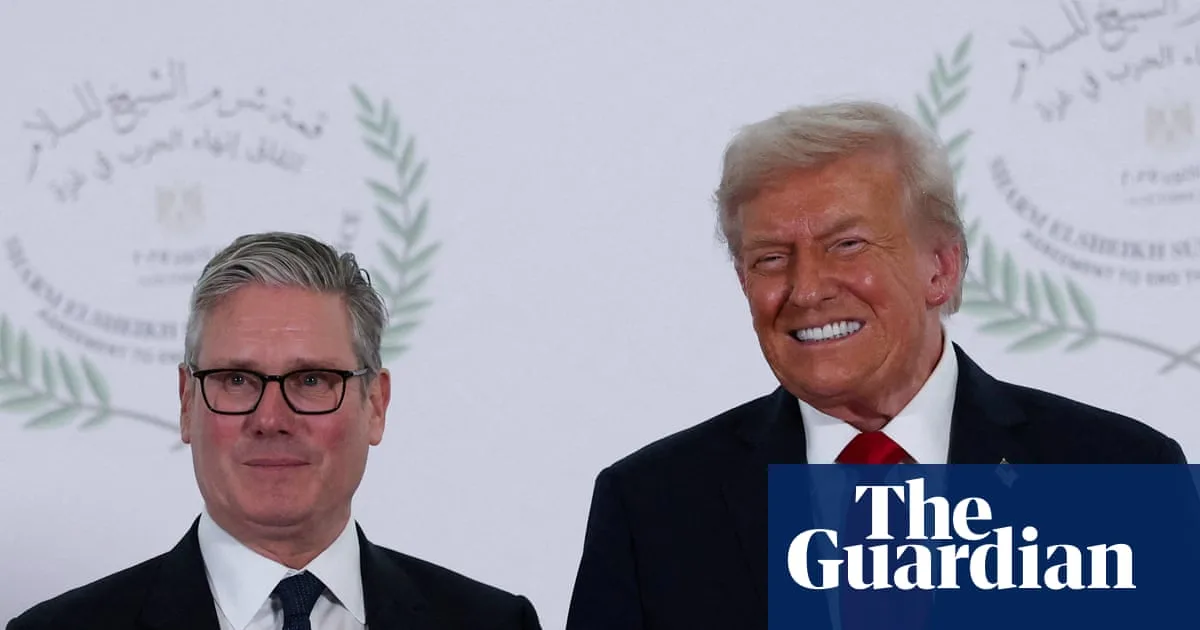
President Donald Trump has reignited international tensions with his explicit declaration that the United States "must have" Greenland, describing the vast, mineral-rich Danish territory as vital for American national security. This bold statement, made during an interview with NBC News, has sent shockwaves through diplomatic circles and raised profound questions about the future of the NATO alliance.
The Strategic Rationale and Contradictions
The Trump administration's argument centres on the opening of new Arctic sea routes, a direct consequence of melting ice sheets driven by man-made climate change. This position presents a stark contradiction, as the same administration has historically rejected the science of global warming it now cites as a strategic imperative. The president's goal is ostensibly to prevent rivals like Russia and China from establishing dominance in the region first.
Economic Pressure and Military Implications
To compel a deal, the US has issued a severe economic ultimatum. It has threatened to impose a 10% tariff on all goods from eight NATO allies, including the United Kingdom, starting February 1st, with plans to escalate this to a punishing 25% by June. When pressed by NBC on whether military force was a possibility, President Trump offered only a terse "no comment", further heightening anxieties.
The situation deteriorated further following Trump's remarks linking his foreign policy stance to the Nobel Peace Prize. He suggested he no longer feels "obligated to think of peace" because he was not awarded the honour, a sentiment he reportedly communicated directly to Norway's Prime Minister.
UK and NATO Response: A Firm Stance
Prime Minister Keir Starmer has delivered a robust condemnation of the US strategy. Speaking forcefully at Prime Minister's Questions, he labelled the use of tariffs against allies as "completely wrong" and unambiguously stated Britain's position.
"I will not yield, Britain will not yield on our principles and values about the future of Greenland under threats of tariffs, and that is my clear position," Starmer declared, affirming that Greenland's destiny rests solely with its people and the Kingdom of Denmark.
Expert Warnings and Defence Posture
Security analysts are sounding the alarm, warning that any forced annexation or "blackmailed" sale of Greenland would catastrophically undermine the foundational principle of sovereignty within NATO, potentially destroying the alliance from within. While UK officials acknowledge the Arctic is becoming a strategic flashpoint, particularly with Russia's fleet expansion, they advocate for a collective NATO mission to defend the region, rejecting unilateral US control.
Echoing this call for steadfastness, defence expert Professor Anthony Glees argued that the UK must maintain confidence in its own military capabilities. "We need to stop talking down our strength and whining that we cannot live without holding Nanny's hand. Because we can," he stated, emphasising the importance of Britain's independent nuclear deterrent and military posture.
The unfolding crisis over Greenland represents not just a territorial dispute, but a fundamental test of Atlantic alliances, international law, and the West's collective response to coercive diplomacy.




