Trump's Greenland Ambitions Spark NATO Crisis and Global Condemnation
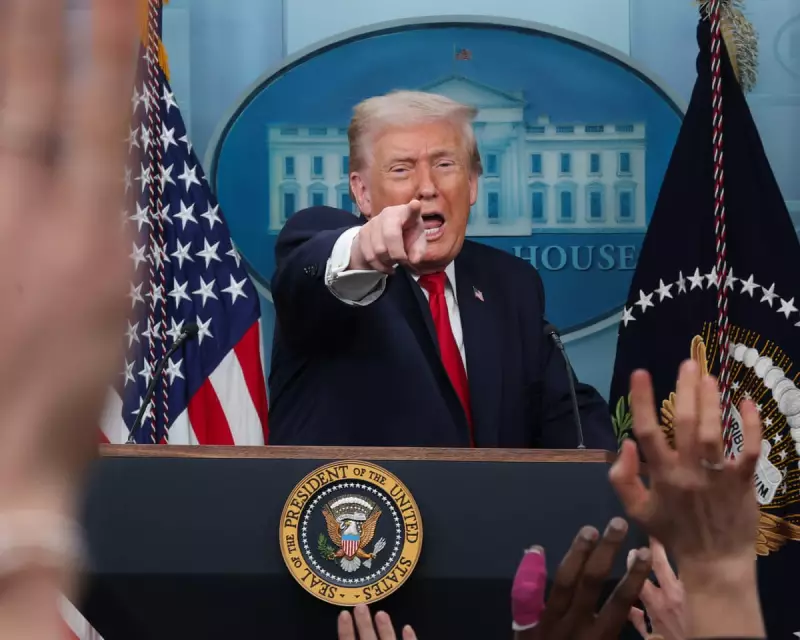
In a lengthy and rambling press conference at the White House on Tuesday, 20 January, President Donald Trump refused to offer any reassurances to NATO leaders about his commitment to the alliance's stability. This came amidst his ongoing threats to seize the Danish-controlled Arctic territory of Greenland by force, a move that has sent shockwaves through international diplomacy.
"You'll Find Out": Trump's Ominous Warning on NATO's Future
When pressed by reporters on whether he was prepared to risk the very foundation of the NATO alliance in his quest for Greenland, Trump offered a cryptic and ominous response: "You'll find out." The president repeatedly asserted that he had done more for NATO than anyone else, claiming he had transformed it from a weak entity into a formidable force.
"I've made it so much better, so much stronger. It's so good now. NATO is so much stronger," Trump declared. "When I came here we had a weak NATO … they were a nothing NATO. Whether you like it or not, it's only as good as we are. If NATO doesn't have us, NATO is not very strong."

Transatlantic Trade Relations Plunge into Fresh Chaos
The escalating row has had immediate and severe consequences for global markets and trade. Over the weekend, Trump threatened to impose tariffs on a group of European NATO members who opposed his bid for Greenland, prompting outrage from EU leaders. This spiralling dispute has forced the European bloc to consider retaliatory measures, creating new tensions within an alliance that has guaranteed Western security for decades.
Wall Street suffered its worst day since October as investor concerns persisted over the fallout from Trump's push for US control of Greenland. Stock markets fell on both sides of the Atlantic, reflecting deep anxiety about the stability of international relations.
International Condemnation and Legislative Pushback
European leaders have lined up to condemn what they term Trump's "new colonialism," warning that the continent faces a critical crossroads. In the United States, lawmakers from both parties promised legislative action to block the threatened tariffs against European allies, though Republicans willing to publicly break with the president on this issue remain scarce.
Adding to the chorus of criticism, three cardinals in the US Catholic church have issued a stark warning. They stated that the administration's push to obtain Greenland, recent military actions in Venezuela, and cuts to humanitarian aid risk "destroying international relations and plunging the world into incalculable suffering."
Broader Implications and Related Developments
The controversy over Greenland is unfolding against a backdrop of other significant events. The US Justice Department subpoenaed several top officials in Minnesota as part of an investigation into whether local authorities have conspired to impede federal immigration efforts. Meanwhile, the UK has indicated it will press ahead with plans to hand the Chagos Islands back to Mauritius, a move Trump has criticised as an "act of great stupidity" and suggested is linked to his Greenland ambitions.
As President Trump prepared to travel to the World Economic Summit in Davos, Switzerland, the uncertainty he has sown regarding NATO's future and his territorial ambitions continues to dominate global headlines, raising profound questions about the direction of American foreign policy and the stability of the international order.