
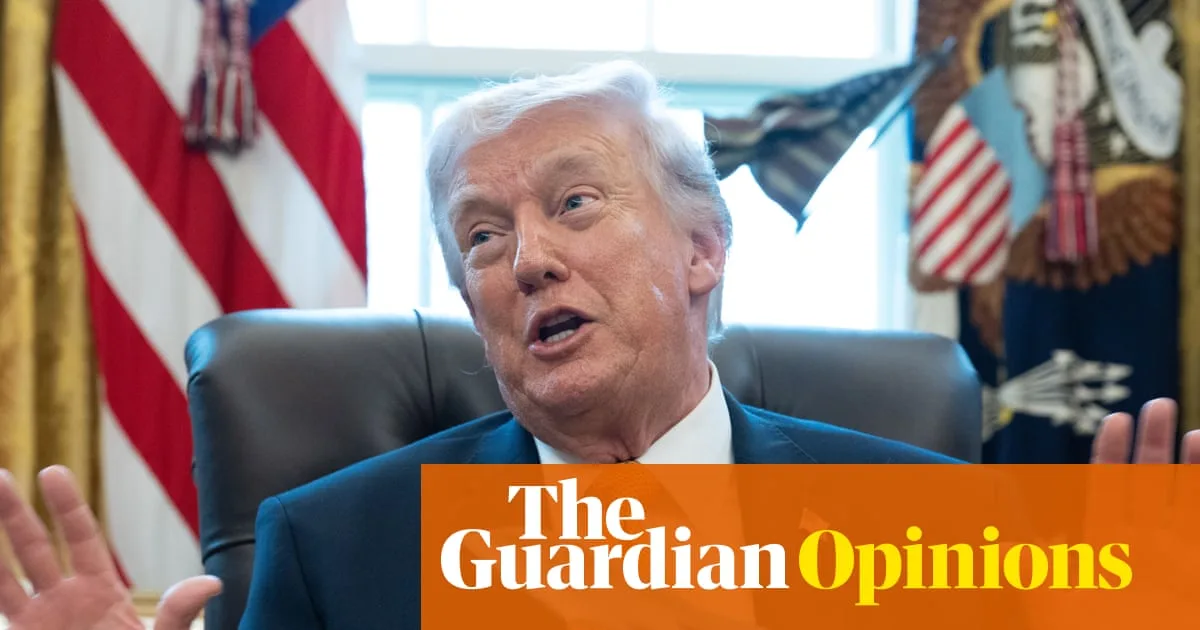
Donald Trump’s heavy-handed approach to foreign policy, particularly towards Iran, is accelerating rather than arresting the United States’ decline, argues Owen Jones. The US president’s rhetoric, including threats to “obliterate” Iran and warnings of “death, fire, and fury”, marks a departure from previous administrations that sought to project moral authority, even if hypocritically.
Jones contends that Trump’s strategy reflects a recognition that US hegemony is ending. His national security strategy last year criticised the belief in “permanent American domination”. The result of past US policies, from the financial crash to failures in Iraq and Afghanistan, has been a redistribution of power away from the US, particularly towards China.
Trump’s response, according to Jones, is to rely on brute force and threats. Examples cited include his treatment of Venezuela, where he threatened to “run the country” and control its oil revenues. This approach, Jones writes, repudiates the moral language that once justified US power, such as Dwight Eisenhower’s 1957 claim that the US did not seek domination over others.
The article notes that Trump’s actions have included gutting USAID and attempting to defund the National Endowment for Democracy, tools that previously helped maintain US influence. Jones concludes that this “gangsterism fused with colonialism” is a symptom of a collapsing hegemony, not a solution to its decline.




