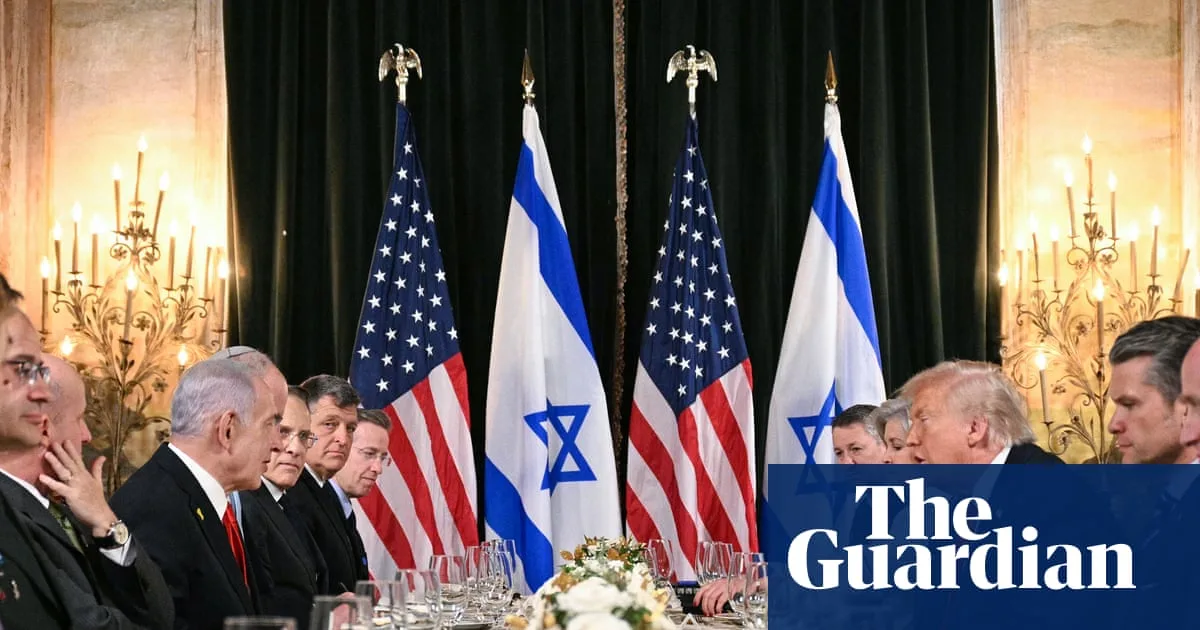
Trump's 'Board of Peace' Raises Global Concerns Over Expansionist Agenda
Trump's Board of Peace Sparks Global Alarm Over Expansionism

Trump's 'Board of Peace' Unveiled Amid Global Skepticism and Expansionist Fears

In a move that has sent shockwaves through diplomatic circles, former President Donald Trump has inaugurated his controversial "Board of Peace" during a ceremony in Davos, Switzerland. Flanked by representatives from nineteen diverse nations, Trump declared with characteristic bravado that the initiative would usher in "beautiful, everlasting and glorious peace" worldwide. However, beneath the lofty rhetoric lies a deeply concerning reality that many analysts interpret as a clear signal of Trump's expansionist and interventionist ambitions.

A Questionable Assembly of Nations

The composition of the board's initial membership has raised immediate red flags among traditional Western allies. Notable attendees included Hungary's authoritarian leader Viktor Orbán, while conspicuous absences marked the event. The United Kingdom, along with other key European and NATO partners, opted to stay away, primarily due to concerns over Russia's potential involvement. This selective participation underscores the divisive nature of Trump's latest diplomatic venture.

During his typically rambling inauguration speech, Trump took direct aim at the United Nations, an institution he has frequently criticised, while simultaneously congratulating himself for purportedly ending multiple conflicts single-handedly. More alarmingly, he told the assembled delegates from countries ranging from Azerbaijan to Paraguay, "You're the most powerful people in the world," before adding with unsettling prescience, "We can do pretty much anything we want to do."

Wide Pickt banner — collaborative shopping lists app for Telegram, phone mockup with grocery list

Broad Charter Raises Replacement Fears

The fundamental concern surrounding the Board of Peace stems from its exceptionally broad charter, which many fear represents a deliberate attempt by Trump to undermine and eventually replace the United Nations. Although Trump has suggested the board would operate "in conjunction" with the UN, he has previously spoken openly about rendering the entire international body obsolete. This ambition aligns with his longstanding hostility toward multilateral institutions.

Invitations to join the board have been extended to approximately sixty nations, including Russian President Vladimir Putin—a development that has particularly troubled British officials. In a move that added layers of absurdity to the proceedings, Putin announced his willingness to fund permanent membership using Russian assets frozen by the United States following Moscow's full-scale invasion of Ukraine.

Concentration of Power and Unanswered Questions

Behind the scenes, diplomats express growing apprehension that this new organisation, which Trump apparently intends to chair indefinitely, is designed to concentrate unprecedented decision-making power in his hands alone. Leaked charter documents suggest the former president would possess authority to appoint members, who could only be removed by a two-thirds veto—a structure that critics argue creates a dangerously undemocratic framework.

Numerous crucial questions remain unanswered regarding the board's operational framework. These include the location of its headquarters, its legal status under international law, and how its decisions might interfere with existing international institutions' work. The absence of clarity on these fundamental issues only heightens concerns about the initiative's legitimacy and intentions.

Strategic Motivations Behind Participation

The roster of nations that have publicly committed to the board reveals strategic calculations rather than idealistic peace-building ambitions. Countries including Qatar, Saudi Arabia, Jordan, Turkey, and the United Arab Emirates recognise Trump's unique ability to influence Israeli policy regarding Gaza and broader Palestinian issues. As Dr Andreas Krieg of King's College London observed, participation offers a "direct line to the White House" and provides "insurance" against future exclusion from American favour.

Pickt after-article banner — collaborative shopping lists app with family illustration

Other nations such as Morocco, Uzbekistan, Kazakhstan, Mongolia, and Argentina appear motivated by desires for rare access and leverage. For Argentina specifically, this engagement may prove particularly important given Trump's emphasis on his "Don-roe doctrine," which seeks to reinforce American dominance across the Western Hemisphere—what he frequently describes as America's "back yard."

Missing Stakeholders and Unclear Outcomes

Despite Trump's claims that fifty-nine countries have signed on—including Israel, which notably abstained from the signing ceremony—the absence of key global players casts serious doubt on the board's potential effectiveness. Major nations and blocs including China, the European Union, Canada, Ukraine, Norway, Sweden, France, and the United Kingdom have either declined participation or remain uncommitted.

US Secretary of State Marco Rubio acknowledged that some leaders require parliamentary approval before joining, while others not originally invited have requested membership. This patchwork participation further complicates the board's credibility and operational capacity.

Reshaping Global Diplomacy

Whatever the Board of Peace ultimately achieves—or fails to achieve—its creation represents the strongest indication yet that Trump's second administration, despite campaigning on "America First" isolationism, is pursuing an aggressively interventionist and expansionist agenda. With the mindset of a real estate businessman now applied to global diplomacy, Trump appears determined to reshape international relations fundamentally, leaving traditional allies apprehensive and the world order potentially altered forever.




