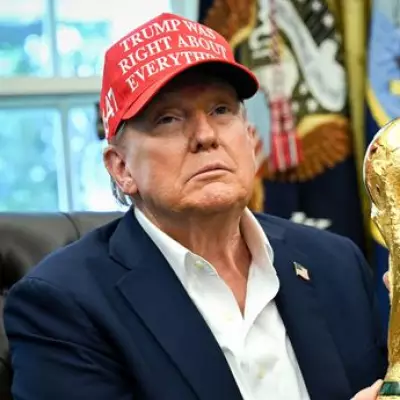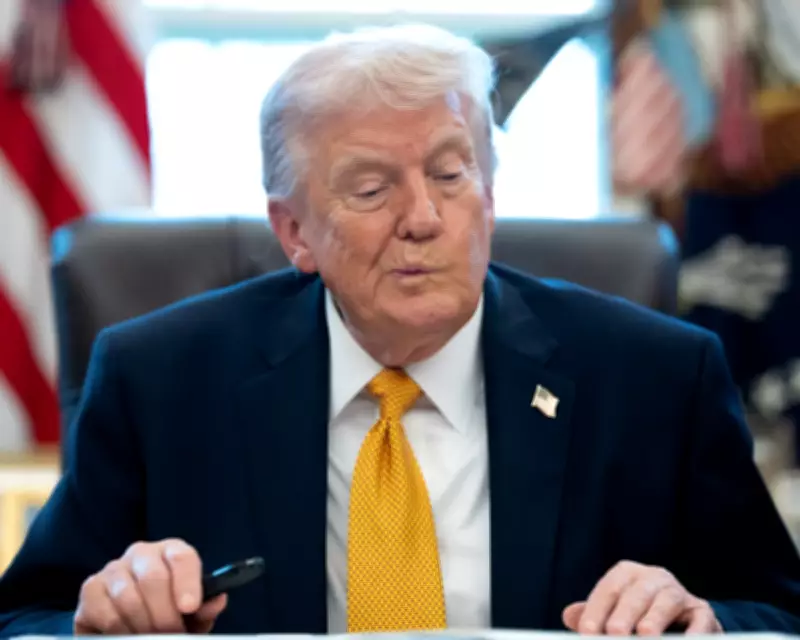
In the Oval Office on 16 March 2026, Donald Trump confronts a harsh reality: his "America First" doctrine is struggling against the complexities of global power dynamics. Recent events, from Iran's retaliation to China's strategic moves, underscore the limits of US military and economic might, revealing Trump as a slow learner in international affairs.
Military Miscalculation in Iran
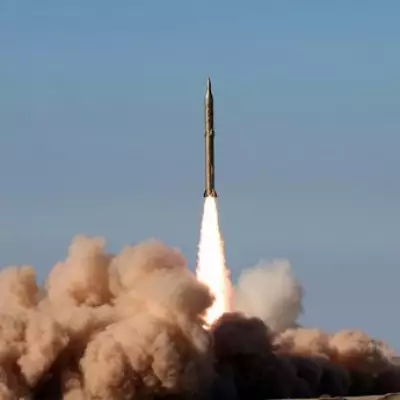
The US airstrikes on Iran were intended as a show of force, but they have instead exposed vulnerabilities. Trump's arsenal cannot incite rebellion within Iran's oppressed opposition or secure safe passage for merchant ships through the Strait of Hormuz, where missile and drone attacks persist. Tehran's government remains intact, leveraging its geographic position to disrupt global oil and gas flows, costing the US billions in economic and prestige losses.
Strategic Shortcomings
Trump's frustration is palpable as he urges tanker crews to "show some guts" and criticises Nato allies for refusing naval support, appearing peevish and flustered. For Iran, mere survival constitutes a victory, while Israel's Benjamin Netanyahu views a weakened Iran as an acceptable outcome. However, Trump finds this inadequate, as daily constraints on energy supplies undermine his claims of defeating inflation, with American consumers facing higher prices at the pump and beyond.

Economic Interdependence Ignored
Trump's approach reflects a disbelief in economic interdependence, favouring military might over nuanced trade relationships. His zero-sum worldview, where success is measured by humiliating opponents, aligns with the Maga doctrine that sees globalisation as a conspiracy against US interests. This ideology resonates with nostalgia for a mythologised American golden age, blending economic and cultural grievances to bolster his electoral base.
Tariff Troubles
Trump champions tariffs as a tool for national revival, calling them "the most beautiful word in the dictionary." Yet, the policy is flawed: tariffs tax US consumers through higher prices and contradict goals of raising revenue while blocking trade. On "Liberation Day," Trump imposed tariffs globally using a crude algorithm, causing market recoil and a partial retreat. The US Supreme Court later ruled his legal basis unconstitutional, forcing a scramble to reassemble trade barriers.
China's Calculated Response
China has emerged as a key beneficiary, with Xi Jinping leveraging economic interdependence to counter US actions. Beijing restricted rare-earth element exports, essential for US industries, prompting Trump to blink and declare a trade truce. A planned summit in Beijing was postponed, with analysts noting lack of preparation and Trump's insecurity from setbacks elsewhere.
Global Resistance Grows
Nato's refusal to deploy navies highlights growing ally resistance, driven by public opinion and rational aversion to entanglement. Xi Jinping's quick grasp of these dynamics contrasts with Trump's slow learning, as the US president fails to see how "America First" falters in both trade and war. The deferred China trip symbolises a leader adrift, detached from geopolitical realities where even superpowers are bound by economic logic.
Trump's Iran war and tariff policies illustrate a broader lesson: in an interconnected world, unilateralism and military might have limits. As global economics and alliances push back, the US faces a reckoning with the realities of power and interdependence.