Trump Issues Stark Warning on Potential Iran Strike as Nuclear Talks Falter
United States President Donald Trump has declared he is actively "considering" a military strike on Iran, delivering a chilling update that has escalated fears of conflict in the Middle East. The announcement came during a high-stakes period where diplomatic efforts to secure a nuclear agreement with Tehran have reached a critical impasse.
Deadlocked Negotiations and Mounting Tensions
Trump emphasised that he believes 10 to 15 days is "enough time" for Iran to finalise a deal, but negotiations have been deadlocked for years. Iran has consistently refused to address broader demands from the US and Israel, including scaling back its missile program and severing ties with armed groups. Recent indirect talks have yielded little visible progress, leading analysts to speculate that both sides may be preparing for potential hostilities.
The geopolitical landscape has grown increasingly volatile, with Iran conducting annual military drills alongside Russia this Thursday. Simultaneously, a second American aircraft carrier has been deployed closer to the Middle East, signalling a reinforced US military presence. Both nations have indicated readiness for war should nuclear discussions collapse entirely.

Historical Context and Regional Vulnerabilities
Iran's theocracy faces heightened vulnerability following a series of setbacks over the past year. These include 12 days of coordinated Israeli and US strikes on Iranian nuclear sites and military infrastructure last year, coupled with mass protests in January that were violently suppressed by authorities. The regime's internal and external pressures have compounded the urgency of the nuclear standoff.
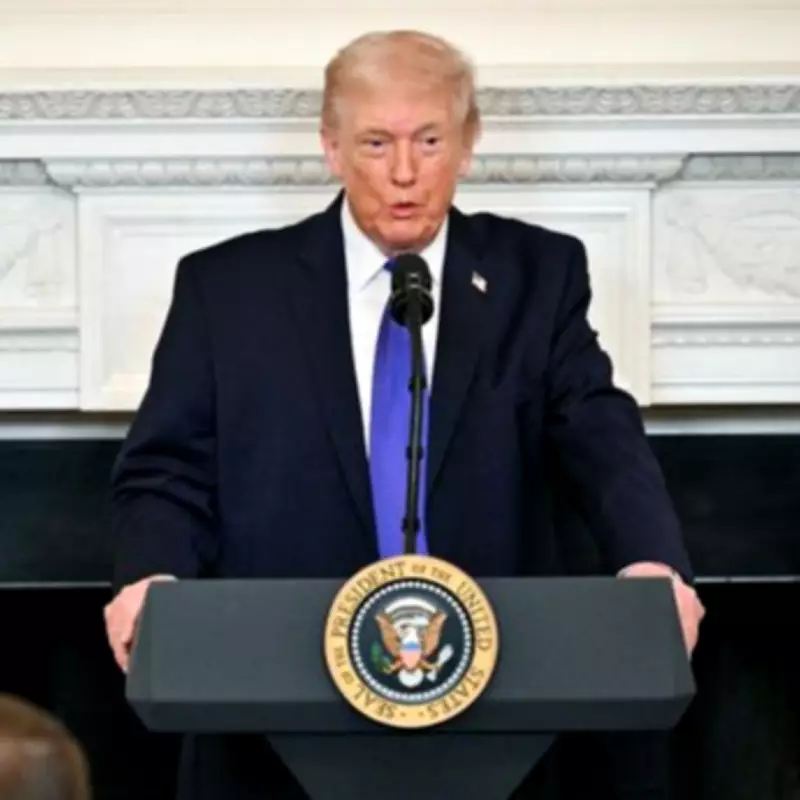
Trump's remarks followed his attendance at the first Board of Peace meeting in Washington, where he warned that "bad things" would occur if Tehran failed to agree to a nuclear weapons deal. He stated, "We may have to take it a step further, or we may not. Maybe we’re going to make a deal. You’re going to be finding out over the next probably 10 days," leaving the door open for both military action and renewed diplomacy.
US Military Buildup and International Reactions
In recent weeks, the United States has significantly bolstered its military assets in the region, mobilising aircraft carriers, fighter jets, submarines, and other strategic resources. This buildup reflects the escalating tensions and the potential for rapid conflict escalation.
On the international front, UK political figures have weighed in on the crisis. Senior Conservatives have urged Prime Minister Sir Keir Starmer to support Trump's threats of military intervention, citing claims that the Iranian regime has killed over 7,000 people during recent protests over clerical rule and economic struggles. They advocate for action to prevent Iran from acquiring nuclear weapons and have called for allowing US forces to utilise British military bases, such as RAF Fairford and facilities on Diego Garcia.
Shadow Defence Secretary James Cartlidge underscored the perceived threat, stating, "Iran’s nuclear programme has been a grave threat to Britain and our allies. That is why Conservatives supported the US strikes on Iran’s nuclear facilities last summer. Iran must never obtain a nuclear bomb." He added that if the US deems further action necessary and it aligns with UK national interests, Britain should grant access to its bases.
The situation remains fluid, with the next 10 to 15 days poised to determine whether diplomacy can avert a military confrontation or if the region will descend into further instability.