Trump Declares War Will End 'When I Feel It' as US Deploys Ground Forces
A defiant Donald Trump has vowed that the ongoing conflict with Iran will conclude only "when I feel it," asserting personal authority over the war's timeline. This declaration comes as Iran continues aggressive attacks against neighbouring states, including targeted strikes on Dubai's financial district that have heightened global economic uncertainty.
First US Ground Troops Deploy to Middle East
For the first time since hostilities began, the United States is moving "boots on the ground" to the region, with approximately 5,000 US Marines deploying from Japan to the Middle East. The USS Tripoli has already set sail from Japan, with additional naval assets being redeployed from the Pacific theater to support the mission.
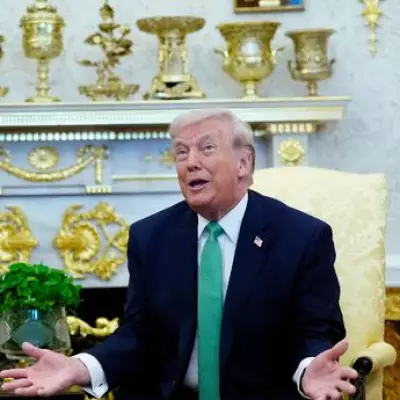
When pressed about potential conflict resolution timelines during a Fox News interview, President Trump responded emphatically: "When I feel it, okay? I feel it in my bones." He elaborated that this would be a personal decision made at his discretion, separate from military or diplomatic recommendations.

Western Alliances Show Cracks as Economic Pressure Mounts
Significant fractures are emerging within Western alliances as the conflict persists. Germany has openly criticised US policy decisions, while France and Italy have initiated separate talks with Iran to secure safe passage for their vessels through the strategically vital Strait of Hormuz.
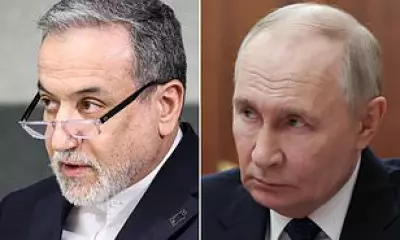
German Chancellor Friedrich Merz specifically condemned the White House's decision to relax sanctions against Russian energy products, a move implemented in response to Iran's blockade of the Strait of Hormuz. This policy shift could potentially add $10 billion (£7.5 billion) to Russia's war finances, raising concerns about Vladimir Putin benefiting from the regional instability.
British officials have joined calls for de-escalation, expressing anxiety about how the conflict might inadvertently strengthen Russia's geopolitical position and war capabilities.
Iranian Attacks Target Economic Centers
Iran has followed through on earlier threats to target "economic centres and banks" in the region, with Dubai's financial district suffering drone strikes that have damaged the emirate's reputation as a secure global trade hub. The United Arab Emirates has endured more than 1,500 drone attacks and 300 missile strikes since the conflict began, resulting in six fatalities and 130 injuries.
Local authorities in Dubai have reportedly questioned residents posting images of the damage, attempting to control the narrative around the attacks' impact. Several multinational corporations have already begun reducing staffing levels and closing offices in the affected areas.
Military Developments and Strategic Challenges
US War Secretary Pete Hegseth reported a 20 percent increase in operational tempo yesterday, attributed to complete American and Israeli air dominance following the elimination of Iran's air defence systems. Aircraft can now operate with impunity over Iranian territory, though this advantage hasn't prevented Iran from threatening neighbouring states and striking Israeli targets.
In a separate interview, President Trump praised US military performance, describing the conflict as "an excursion for the US" rather than a full-scale war. "It has been incredible. The job they have done. I would say, to put it mildly, way ahead of schedule," Trump stated. "We've knocked out their navy, their military. We've knocked out just about everything there is, including their leadership."
Despite this confidence, the Pentagon faces significant challenges. Military leaders conceded they cannot currently escort commercial vessels through the Strait of Hormuz, a situation expected to persist for at least another fortnight. The Royal Navy's only regional minesweeper is undergoing maintenance, leaving Britain with only uncrewed anti-drone systems based in Bahrain.

Iranian Defiance and Internal Dynamics
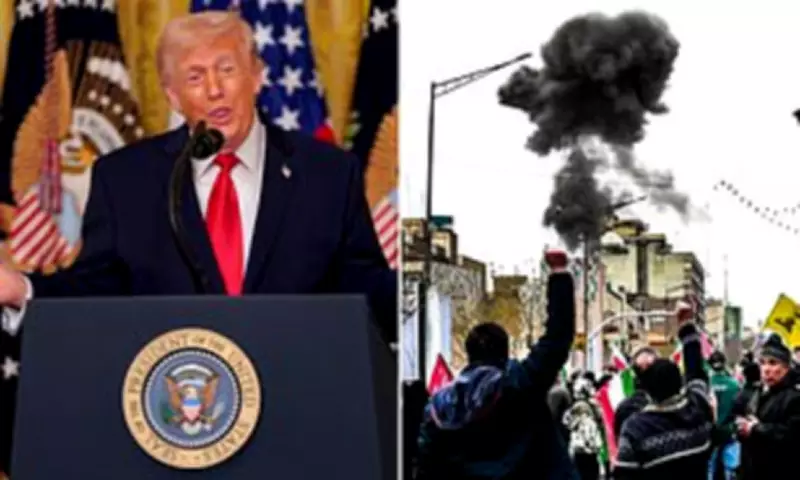
Iranian leaders staged a show of defiance during Quds Day celebrations in Tehran, with President Masoud Pezeshkian riding pillion on a motorcycle through the capital surrounded by chanting crowds. He was joined by Foreign Minister Abbas Araghchi, Police Chief Ahmadreza Radan, and Atomic Energy Organisation head Mohammad Eslami in what appeared to be a state-orchestrated event.
Ali Larijani, secretary of Iran's national security council, told state media: "Trump's problem is that he doesn't understand the Iranian nation is wise and determined." However, the celebratory mood was disrupted when American and Israeli bombs exploded nearby, though no leaders were injured.
War Secretary Hegseth mocked Mojtaba Khamenei, son of the assassinated Ayatollah Ali Khamenei, who hasn't been seen since the explosion that killed multiple family members. "They're cowering underground. That's what rats do," Hegseth stated. "They're barely communicating, let alone co-ordinating. They are confused and we know it."
Economic Implications and Market Response
President Trump addressed economic concerns, acknowledging temporary market impacts while expressing confidence in recovery. "The market is holding up well. We were hit a little bit but probably by less than I thought," he said. "We will be back on track in a pretty short while. Prices are coming down very substantially. Oil will be coming down."
The administration faces increasing pressure to establish a conflict resolution deadline as fighting spreads economic uncertainty worldwide. With the first US ground forces expected to arrive later this month and Western alliances showing strain, the path to resolution remains uncertain despite Trump's assertions of personal control over the timeline.