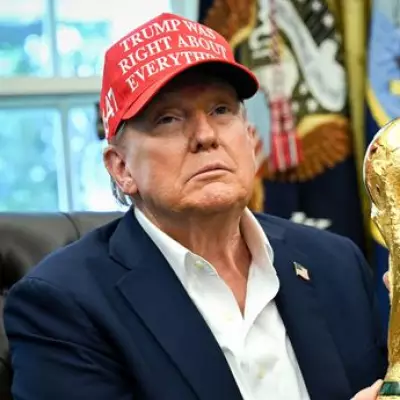
Former United States President Donald Trump has publicly voiced his discontent with British Labour Party leader Keir Starmer, following Starmer's refusal to pledge UK military support for a potential war against Iran in the strategically vital Strait of Hormuz. This development underscores ongoing diplomatic strains between the two nations, particularly concerning Middle Eastern security policies.
Trump's Displeasure Over Starmer's Stance
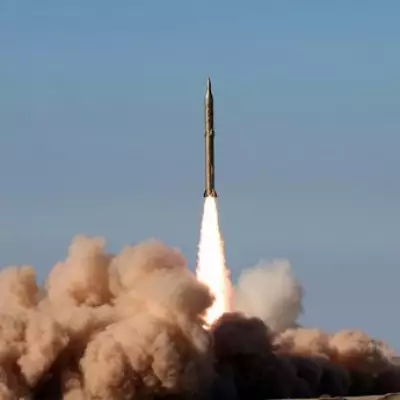
In recent comments, Trump stated that he is "not happy" with Starmer's position, emphasising the importance of allied cooperation in addressing threats from Iran. The Strait of Hormuz, a critical chokepoint for global oil shipments, has been a flashpoint for tensions, with Iran previously threatening to disrupt maritime traffic. Trump argued that a unified Western response is essential to deter Iranian aggression and ensure regional stability.
Starmer's Defence and UK Policy Implications
Keir Starmer, who leads the opposition Labour Party in the UK, has defended his decision by citing the need for cautious and multilateral approaches to international conflicts. He highlighted concerns over escalating hostilities and the potential for unintended consequences, advocating instead for diplomatic solutions and engagement through international bodies like the United Nations. This stance reflects broader Labour Party principles focused on peacekeeping and avoiding unilateral military actions.

Analysts suggest that Starmer's refusal could impact future US-UK relations, especially if Labour wins the next general election. The UK has historically been a key ally in US-led military operations, and any shift in this dynamic might influence global security strategies. Moreover, this incident raises questions about the UK's role in Middle Eastern affairs post-Brexit, as the nation seeks to redefine its foreign policy priorities.
Broader Context of Iran Tensions
The Strait of Hormuz has long been a focal point for geopolitical tensions, with Iran leveraging its strategic location to exert influence. In recent years, incidents such as tanker seizures and drone attacks have heightened fears of conflict. The US, under various administrations, has maintained a hardline stance against Iran, often seeking support from allies like the UK for military and economic pressure campaigns.
Trump's criticism of Starmer comes amid ongoing nuclear negotiations and sanctions debates involving Iran. While the current US administration under President Joe Biden has pursued diplomacy, Trump's remarks indicate lingering hawkish sentiments within American politics. This divergence in approaches between US political figures and UK opposition leaders could complicate coordinated efforts to address Iranian threats.
Potential Ramifications for Global Security
If Starmer's position becomes UK policy under a future Labour government, it might lead to a recalibration of the "special relationship" between the US and UK. Experts warn that reduced military collaboration could weaken deterrence against Iran and affect oil market stability, given the Strait of Hormuz's role in energy exports. Additionally, other NATO allies might reassess their commitments based on UK actions, potentially fragmenting Western responses to Middle Eastern crises.
In summary, Trump's dissatisfaction with Starmer highlights significant transatlantic disagreements over handling Iran. As global powers navigate complex security challenges, the outcome of this diplomatic rift could shape international relations and conflict resolution strategies for years to come.