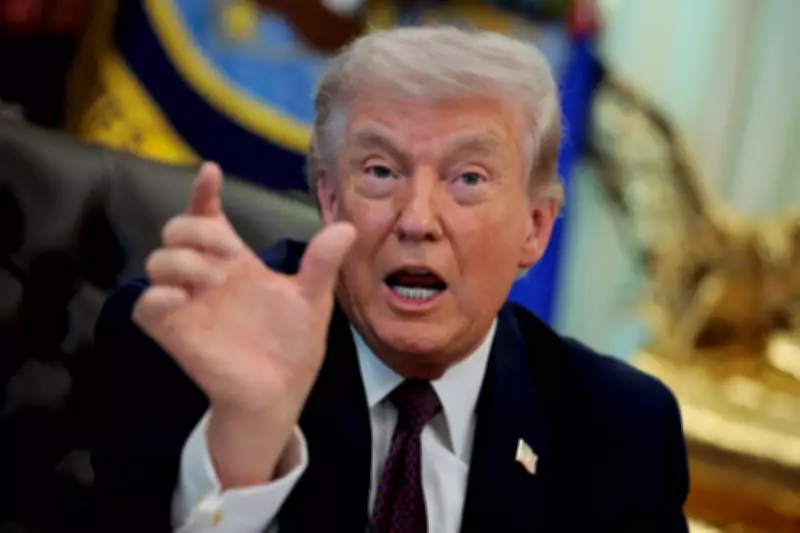
President Donald Trump is set to deliver a prime-time national address on Wednesday evening, providing what the White House describes as an 'important update on Iran'. The speech, scheduled for 9 p.m. ET, comes amid ongoing military tensions between the United States and Iran.
Trump Predicts Swift Conclusion to Conflict
In recent statements, President Trump has claimed that the month-long military engagement with Iran will conclude within "two to three weeks." This bold prediction suggests a significant shift in the administration's timeline for resolving the conflict, which has drawn international attention and concern.
Economic Implications and Oil Market Forecast
The president has also asserted that once the United States withdraws from Iran, which he stated would happen "very soon," oil prices will come "tumbling down." This comment reflects the administration's focus on the economic dimensions of the conflict, particularly its impact on global energy markets.

White House Press Secretary Karoline Leavitt confirmed the details of the president's address, emphasizing its importance for public understanding of the situation. The announcement follows weeks of heightened military activity and diplomatic maneuvering between the two nations.
Hardline Stance on Nuclear Negotiations
In his remarks, President Trump indicated that Tehran does not require a deal with Washington to resolve the crisis. Instead, he suggested that Iran must be "put into the stone ages" to prevent it from acquiring nuclear weapons, underscoring a hardline approach to non-proliferation efforts.
This stance aligns with the administration's broader foreign policy strategy, which has often prioritized unilateral action over multilateral diplomacy. The upcoming address is expected to elaborate on these themes and outline the administration's next steps in the region.
Context and Broader Implications
The conflict has raised concerns about regional stability and the potential for broader escalation. Analysts are closely watching the president's address for clues about military strategy, diplomatic outreach, and the long-term implications for U.S.-Iran relations.
As the situation develops, the international community remains divided on the best path forward, with some allies urging de-escalation and others supporting the administration's firm stance. The prime-time address will likely shape public perception and policy discussions in the coming days.