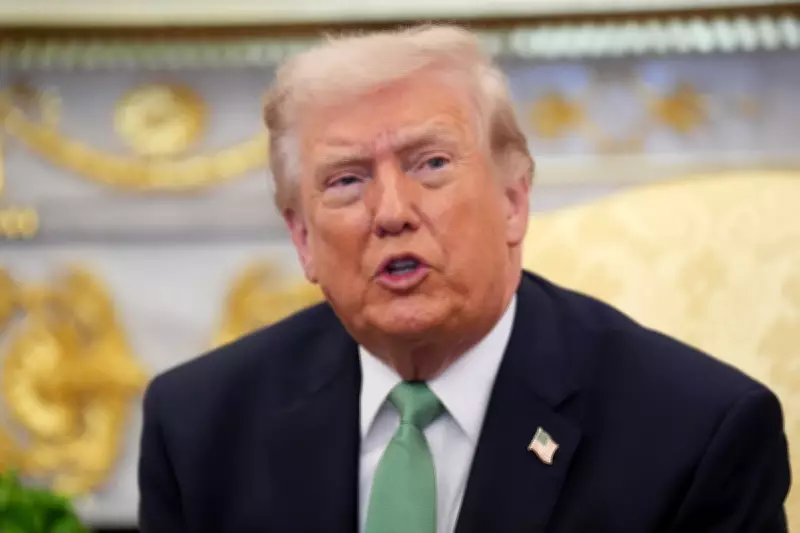
Former US President Donald Trump has issued a stark threat to transfer responsibility for securing the Strait of Hormuz to nations that utilise the crucial maritime passage, while launching a fierce attack on NATO allies over their perceived lack of military support. This escalation follows Iran's announcement over two weeks ago that it had closed the strategic waterway, placing all vessels at risk and triggering a surge in global oil prices.
Trump's Social Media Ultimatum
In a Truth Social post, Mr Trump suggested that allowing other countries to manage the Strait would compel what he termed 'non-responsive "Allies"' to act more swiftly. He emphasised that he is 'not afraid' that a potential conflict with Iran could evolve into another Vietnam-style war, underscoring his confrontational stance.
NATO's Role Under Scrutiny
The former president also launched a strong verbal assault on NATO, alleging that the alliance had abandoned the United States. However, NATO leaders have consistently maintained that assisting with the Strait of Hormuz falls outside their official remit and responsibilities.

Global Economic Implications
The Strait of Hormuz is a vital maritime chokepoint through which approximately one-fifth of the world's oil supply travels. Iran's closure of the passage has already caused significant disruptions:
- Global oil prices have experienced a sharp increase due to supply constraints.
- Shipping routes are facing heightened risks and potential delays.
- International trade dynamics are being reevaluated amid the ongoing tension.
Mr Trump's remarks signal a potential shift in US foreign policy regarding the protection of key global trade routes, with implications for international diplomacy and energy security.