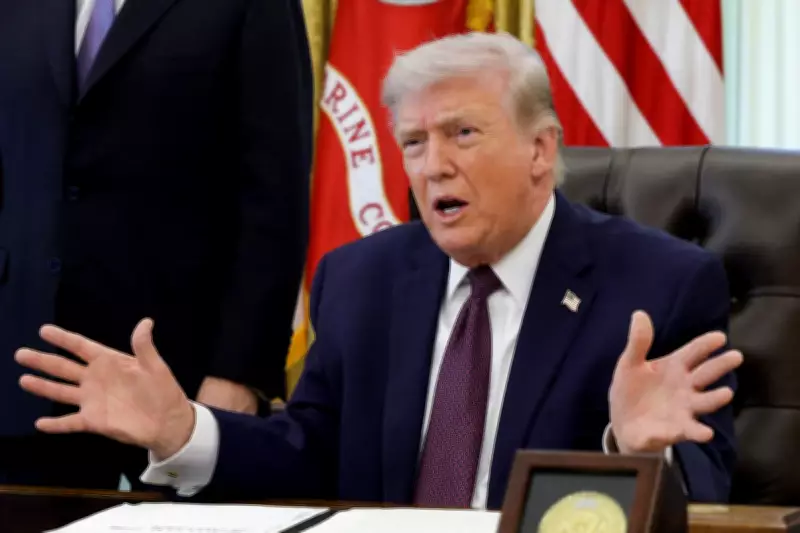
US President Donald Trump has declared he is "strongly considering" pulling the United States out of the NATO military alliance, citing a perceived lack of support for his actions against Iran. In an exclusive interview with The Telegraph, Trump launched a scathing critique of NATO, labelling it a "paper tiger" and suggesting that withdrawal is now "beyond reconsideration."
A Stinging Critique of NATO's Capabilities
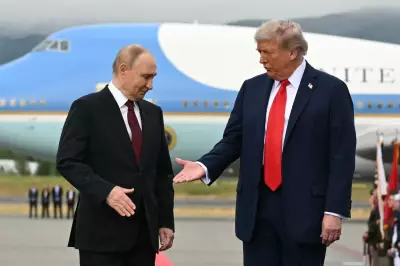
The president's remarks represent a significant escalation in his long-standing criticism of the alliance. "I was never swayed by NATO. I always knew they were a paper tiger, and Putin knows that too, by the way," Trump told the newspaper, directly referencing Russian President Vladimir Putin. He further mocked key allies, controversially claiming that the United Kingdom "doesn't even have a navy," a statement likely to provoke strong reactions in London.
Context of Rising Tensions
This latest threat emerges just weeks after President Trump publicly floated the idea of annexing Greenland, an autonomous territory of Denmark, a fellow NATO member nation. The president has consistently berated NATO countries for failing to meet the alliance's defence spending target of 2% of GDP, arguing that the United States bears a disproportionate financial burden for European security.

The specific catalyst for this renewed threat appears to be NATO's response, or lack thereof, to US military engagements concerning Iran. Trump implied that the alliance's members have not provided adequate backing for his administration's strategic moves in the region, leading him to question the value of American membership entirely.
Potential Global Repercussions
A US withdrawal from NATO, founded in 1949, would represent the most profound shake-up of the transatlantic security architecture in decades. Analysts warn such a move could severely undermine collective defence principles in Europe and embolden adversaries. The comments have immediately cast a shadow over upcoming alliance meetings and raised urgent questions about the future of international military cooperation under the current US administration.
As the situation develops, global leaders are expected to respond to what many will view as a destabilising statement from the White House. Further updates on diplomatic reactions and the potential strategic fallout are anticipated.