Trump Proposes Joint Venture with Iran to Charge Strait of Hormuz Tolls
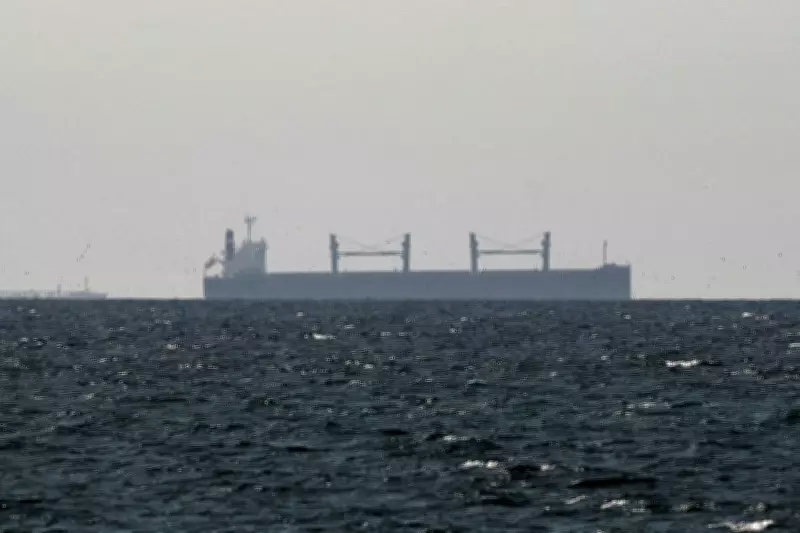
Former US President Donald Trump has suggested that Washington and Tehran could form a "joint venture" to charge fees for commercial ships passing through the strategic Strait of Hormuz. This proposal comes as part of a delicate two-week ceasefire agreement announced between the US and Iran, aimed at reopening the vital waterway to shipping. Trump described the potential collaboration as "a beautiful thing", emphasising it as a method to secure the strait from various threats.
Ceasefire Deal and Iran's Toll Demands
Iran has agreed to reopen the Strait of Hormuz to commercial shipping under the ceasefire terms, with oil prices falling below $100 per barrel on Wednesday in response. However, Iran insists on imposing tolls on vessels to recoup costs from the recent six-week conflict, a move that could reportedly net the regime millions of dollars. A regional official involved in negotiations told the Associated Press that the ceasefire plan includes provisions for Iran and Oman to charge fees, mediated by Pakistan.
Oman's transport minister has stated that existing agreements prohibit such charges, highlighting tensions over territorial rights. The Strait, a narrow 21-mile passage between Iran and Oman, is crucial for about one-fifth of global oil supplies and other goods like fertilisers. Iran argues the toll is necessary for infrastructure reconstruction, with unconfirmed reports of a $2 million payment for a single vessel transit.

International Reactions and Legal Concerns
Shipping companies have reacted with cautious optimism to the ceasefire, but warn that full trade resumption in the Gulf may take weeks due to backlogs and unresolved security issues. Barbara Leaf, former US ambassador to the UAE, expressed concern that Iran sees the Strait as a "real money maker" and may push for control in any permanent deal.
From a legal perspective, the UNCLOS maritime convention prohibits states from charging fees merely for passage through straits, though limited fees for specific services like piloting are allowed. Gulf states, including the UAE and Qatar, have emphasised that free navigation must be part of any settlement, with the UAE stating the waterway "cannot be held hostage by any country".
Industry and Economic Implications
Maritime industry officials note that no such unilateral fee demand for a strait has occurred in modern history. Hapag-Lloyd and other shipping firms estimate it could take six to eight weeks to normalise traffic, far longer than the two-week truce. Insurance experts like Neil Roberts of Lloyd's Market Association welcome the ceasefire but caution that underlying tensions remain unresolved, keeping the region at heightened risk.
Trump has indicated that free oil traffic through the Strait must be part of any peace deal, suggesting he would prefer the US to charge tolls rather than Iran. The situation continues to evolve, with Iran drafting protocols with Oman for permits and licences, and operators negotiating payments in currencies like Chinese yuan or stablecoins.