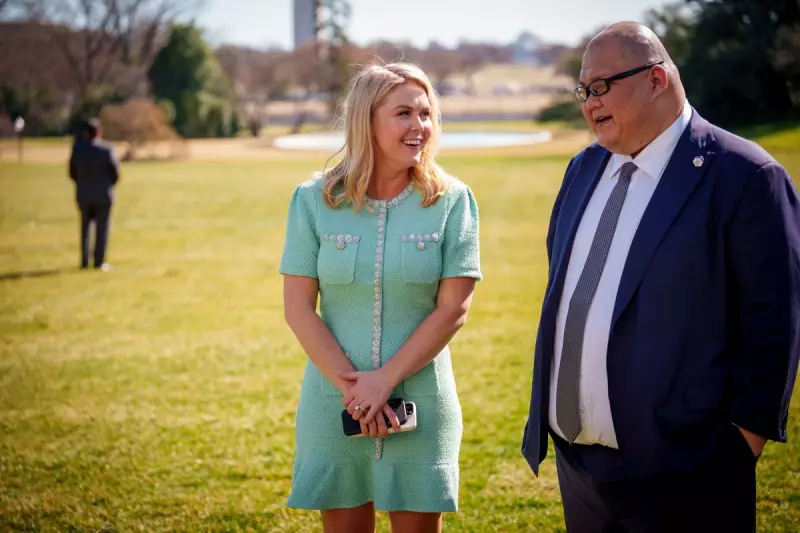
In a statement that has raised eyebrows across diplomatic circles, Karoline Leavitt - the national press secretary for Donald Trump's presidential campaign - has suggested Budapest as a potential meeting location between the former president and Russian leader Vladimir Putin.
Controversial Proposal
During a recent media appearance, Leavitt floated the Hungarian capital as an appropriate venue for such a high-stakes meeting, describing it as a "fair and neutral location." This suggestion comes despite Hungary's increasingly close relationship with Moscow under Prime Minister Viktor Orbán's leadership.
Expert Concerns
Foreign policy specialists have expressed alarm at the proposal, noting that Budapest has frequently aligned with Russian interests within the European Union. "Choosing a location that has consistently opposed Western sanctions against Russia sends a troubling message about America's diplomatic priorities," commented one European affairs analyst.
Campaign Positioning
The remarks appear to signal a significant shift in the Trump campaign's foreign policy approach, suggesting a potential return to the unconventional diplomacy that characterised Trump's first term. Leavitt emphasised that Trump believes in maintaining open communication channels with global leaders, including those considered adversaries.
Political Fallout
The suggestion has drawn sharp criticism from both Democrats and some Republican foreign policy veterans, who argue that it undermines Western unity in supporting Ukraine against Russian aggression. The timing is particularly sensitive as Congress debates further military aid for Kyiv.
Historical Context
This isn't the first time Trump has expressed admiration for Putin's leadership style, though previous direct meetings between the two leaders have yielded limited concrete results. The Budapest proposal suggests a potential willingness to engage with Russia on terms that might concern traditional US allies in NATO.