In a significant diplomatic reversal, US President Donald Trump has dramatically altered his stance on Russian President Vladimir Putin's claims of a Ukrainian drone strike on his personal residence. This shift followed a critical intelligence briefing from the CIA which found no evidence to support the Kremlin's narrative.
The Initial Fury and Subsequent Doubt
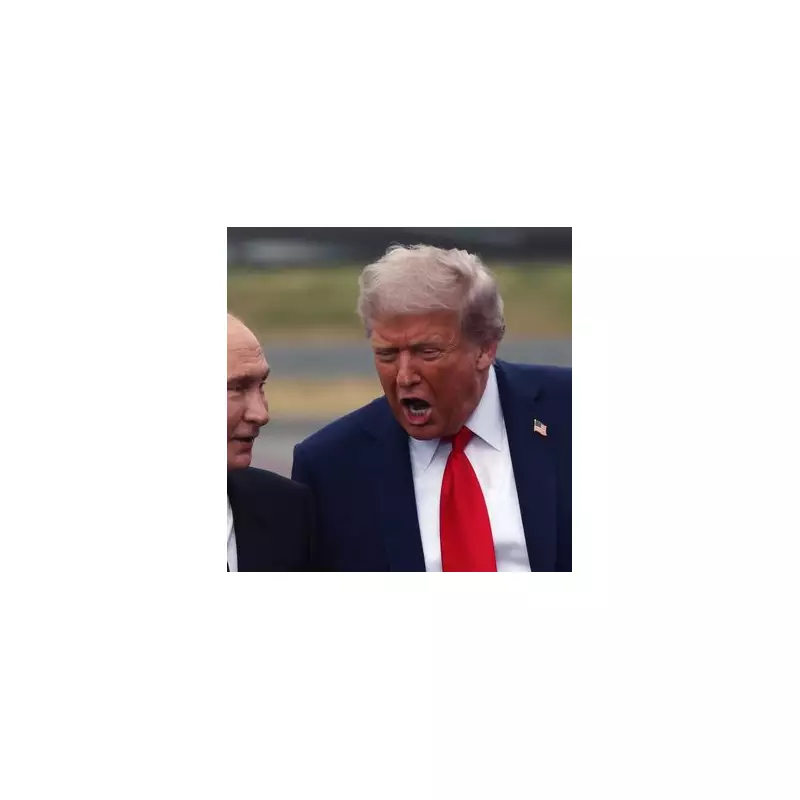
The controversy erupted on December 29 after Putin, during a telephone conversation with President Trump, alleged that Ukraine had launched more than 90 drones at a property in the Novgorod region. Reacting to the claim during a press conference at Mar-a-Lago alongside Israeli Prime Minister Benjamin Netanyahu, Trump expressed visible anger. He stated, "I am very angry about the claim. This is not the right time," distinguishing the alleged attack on a home from standard military operations.
However, the President's position began to waver after receiving a definitive assessment from the CIA. Director John Ratcliffe briefed Trump on December 31, presenting intelligence concluding that Ukraine was not targeting the Russian leader's residence. The assessment indicated the drones were aimed at a nearby military installation, with no proof of intent to strike personal properties.

A Public Reversal on Truth Social
The most public signal of Trump's U-turn came on January 1, when he shared a scathing editorial from the New York Post on his Truth Social platform. The article, titled "Putin 'attack' bluster shows Russia is the one standing in the way of peace," accused the Kremlin of inventing the episode to sabotage diplomatic efforts. This repost, representing his latest statement on the issue, marked a stark departure from his initial willingness to credit the Russian account.
Ukrainian President Volodymyr Zelensky had already dismissed the accusation as a "complete fabrication." While Russian officials released footage of downed drones, they provided no verifiable evidence linking them to an attack on Putin's home. The Kremlin reported intercepting 91 drones without damage or casualties.
Broader Context and Diplomatic Fallout
This incident unfolds against a backdrop of intensifying reciprocal drone attacks and fragile US-led peace negotiations concerning the Ukraine war. In a separate and grim development on December 31, the Russian-installed governor of Kherson, Vladimir Saldo, claimed Ukrainian drones struck a cafe and hotel in the occupied village of Khorly, killing 24 civilians and injuring over 50. Ukrainian officials have not confirmed involvement, and independent verification remains absent.
Experts suggest Putin's drone assertion may have been a tactical ploy to destabilise the American peace initiative, which is reported to include ceasefire suggestions and territorial compromises. The EU has echoed US doubts, condemning any targeting of civilians while urging de-escalation.
White House staff declined requests for further clarification, but insiders indicate the CIA's evidence was the catalyst for Trump's reconsideration. As strikes escalate—with Ukraine targeting Russian oil facilities and Moscow bombarding Odesa—this episode underscores the profound challenges of wartime diplomacy and information warfare. President Trump's revised stance, while halting further comment, introduces a new strain into the complex dynamics of US-Russia relations at a critical juncture.