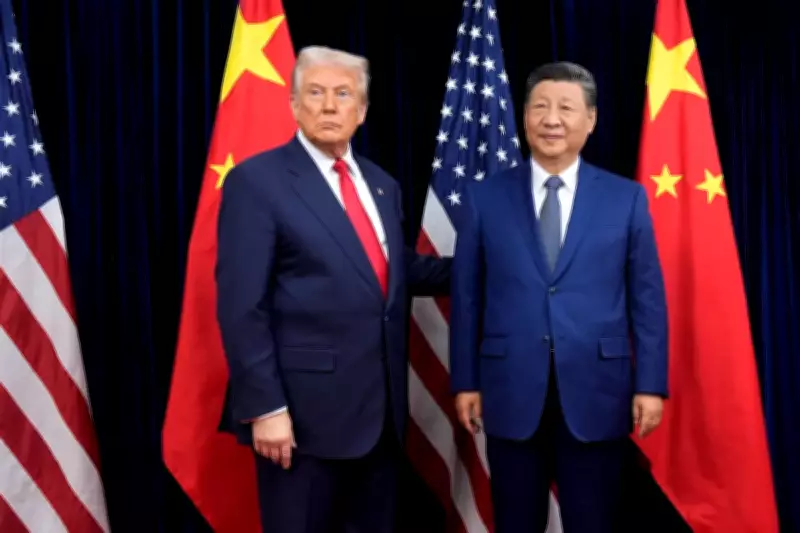
Donald Trump has formally requested a delay of approximately one month for his highly anticipated trip to China, which was originally scheduled to take place from 31 March to 2 April. The White House has issued a warning that this key diplomatic visit could be postponed due to escalating tensions in the Middle East.
Iran Conflict Forces Schedule Change
The primary reason cited for the postponement is the ongoing US-Israeli military engagement with Iran. Trump has stated that he needs to remain in the United States to personally oversee and manage the conflict, which has recently led to the strategic Strait of Hormuz being shut down. This development has created significant geopolitical instability that requires the president's direct attention.
Impact on US-China Relations
This delay comes at a particularly sensitive time for bilateral relations between the two global powers. Beijing's top diplomat, Wang Yi, had previously described 2026 as a "big year for China-US relations," emphasizing the importance of renewing and strengthening ties between the nations. The postponement complicates these diplomatic efforts and could potentially strain the carefully orchestrated rapprochement that both sides had been working toward.

The timing is especially significant as it follows recent high-stakes trade talks held in Paris. These discussions were specifically designed to lay the groundwork for Trump's visit and address ongoing concerns about trade practices between the two economic giants. The Paris meetings occurred amidst new US investigations into what American officials have characterized as "unfair trade practices" by Chinese companies.
Chinese Response and Economic Concerns
Chinese officials have confirmed that discussions are currently underway regarding the rescheduling of the presidential visit. However, there are clear indications of concern in Beijing about the potential implications of this delay.
An editorial published in China Daily has explicitly warned against any actions that could disrupt the stable economic relationship between the two countries. The Chinese state media outlet emphasized the importance of maintaining predictable and consistent diplomatic engagement, particularly given the substantial economic interdependence that characterizes US-China relations.
Broader Diplomatic Implications
The postponement of Trump's China visit represents more than just a scheduling change—it reflects the complex interplay of global conflicts and diplomatic priorities. As the United States focuses its attention on the Middle East situation, Chinese officials are left to reconsider their diplomatic calendar and strategy for engaging with the American administration.
This development also raises questions about the timing of other planned diplomatic initiatives between the two nations and whether the delay might affect broader negotiations on trade, technology, and regional security issues that were expected to be addressed during the visit.
The situation underscores how international conflicts can unexpectedly reshape diplomatic agendas and force world leaders to recalibrate their foreign policy priorities in real time.