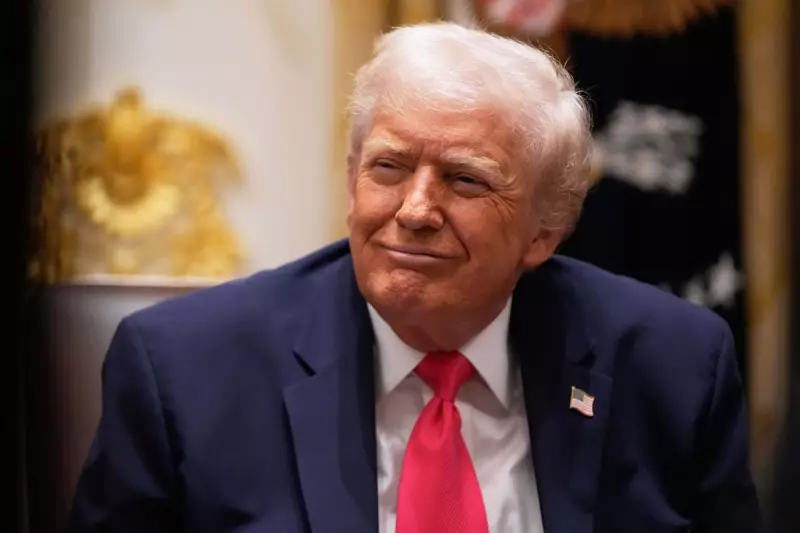
In a controversial move, the Trump administration has officially renamed the United States Institute of Peace after the former president. The independent think tank, founded in 1985, will now be known as the Donald J. Trump Institute of Peace.
A Protracted Battle for Control
The rebranding marks the culmination of a lengthy and bitter legal struggle for control of the institution. Earlier this year, the conflict saw forced entries into the institute's premises, mass firings of staff, and the wholesale replacement of its board. This aggressive takeover paved the way for the administration to implement its current plans for the agency.
Secretary of State Marco Rubio publicly defended the name change, stating it reflects President Trump's legacy as "the greatest dealmaker" and "President of Peace." The announcement was made on Thursday, 4 December 2025.
Funding Elimination and Ironic Rebranding
In a twist described as deeply ironic by critics, the administration's latest budget proposal seeks to eliminate all federal funding for the newly renamed institute. A former official of the organisation pointed out the contradiction of celebrating the institution's new name while simultaneously moving to dismantle its financial foundation.
White House Deputy Press Secretary Anna Kelly offered a starkly different perspective, justifying both the cuts and the rebranding. She characterised the pre-Trump institute as a "bloated, useless entity" prior to its transformation under the current administration.
Portrayal as a Global Peacemaker
This development occurs as Donald Trump actively seeks to bolster his image as an international peacemaker. However, this narrative faces scrutiny. Claims of having ended major global conflicts are widely viewed as exaggerated, and the administration has recently authorised new military strikes, complicating the 'President of Peace' moniker.
The renaming of the institute, coupled with the proposed defunding, represents a significant shift in how the US government engages with independent institutions dedicated to conflict resolution and diplomacy.