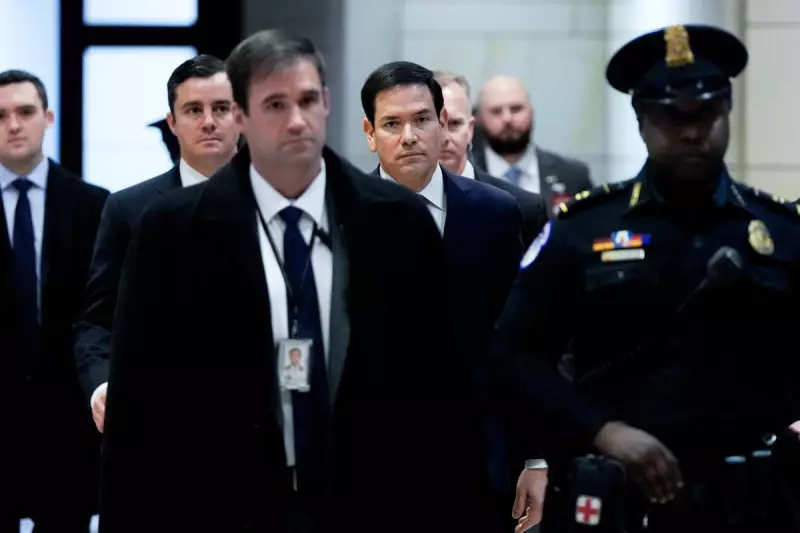
In a dramatic move that has sent shockwaves through the diplomatic community, President Donald Trump has ordered nearly thirty ambassadors appointed by his predecessor to return home immediately, sparking fears of significant gaps in American foreign representation.
A Sudden and Unprecedented Recall
The directive, issued just days before the Christmas holiday, informed the career diplomats that their postings were terminated and they must return to the United States within a month. The New York Times reported that this purge represents the largest single firing of such ambassadors in the State Department's history. A list obtained by the paper indicates many of the affected posts are in sub-Saharan Africa, a region where the White House has been content to leave positions vacant throughout 2025.
Nikki Gamer, a spokesperson for the American Foreign Service Association, condemned the action. "The lack of transparency and process breaks sharply with longstanding norms," she told the Times. The union added in a forceful statement that "these abrupt, opaque, and unexplained recalls sabotage diplomatic effectiveness and U.S. credibility abroad."

Political Rewards and a Retreat from Global Engagement
It remains unclear when, or if, the Trump administration will fill these crucial roles, which require Senate confirmation. A central question is whether the president intends to use the prestigious ambassadorships as rewards for political supporters and donors, a theme of his second term. A senior State Department official defended the move to the Washington Post, calling it "a standard process in any administration," and asserting that "an ambassador is a personal representative of the president."
However, the scale and timing of the firings, coupled with the existing vacancies, suggest a broader strategic retreat. The official noted the president's right to have individuals who advance the "America First" agenda, signalling a potential shift away from traditional diplomatic posts.
Part of a Broader Shake-Up at State
This ambassador purge is the latest radical change at the State Department under Secretary of State Marco Rubio. The agency has absorbed core functions of the United States Agency for International Development (USAID), which is being systematically wound down with the blessing of the Republican-controlled Congress. U.S. foreign assistance has cratered under the second Trump administration, following a spending purge led earlier this year by Elon Musk targeting a key vehicle for American soft power.
In a recent Vanity Fair article, Trump's own chief of staff, Susie Wiles, called the cuts to USAID a "serious mistake," citing interviews with eleven sources. The administration's focus appears to be on eradicating Biden-era holdovers, both in personnel and policy, across the federal government. This has included purges at other agencies, including the White House National Security Council earlier in 2025.
The White House has also taken unprecedented steps to undermine the legality of actions taken by President Joe Biden, with Trump claiming, without evidence, that Biden's use of an autopen machine was illegal. While a president cannot cancel pardons issued by a predecessor, they can undo executive orders with a stroke of a pen, a power Trump has vowed to use extensively.