Trump Announces Putin's Agreement to Temporary Ukraine Energy Strike Halt
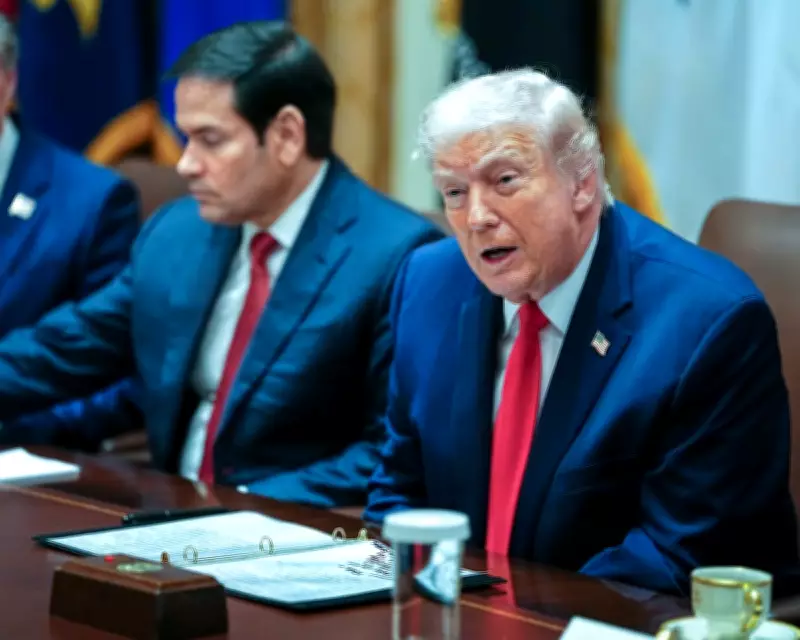
Former US President Donald Trump has publicly asserted that Russian leader Vladimir Putin consented to a one-week cessation of strikes on Ukraine's critical energy infrastructure. This declaration came during a White House cabinet meeting on Thursday, where Trump revealed he made a personal appeal to Putin amid Ukraine's severe winter conditions.
Unconfirmed Ceasefire Announcement
Trump stated during the meeting, "I personally asked President Putin not to fire into Kyiv and various towns for a week and he agreed to do that. I have to tell you it was very nice." The alleged agreement followed a previously unreported phone conversation between the two leaders. However, Trump provided no specific start or end dates for this purported temporary ceasefire, which remains unverified by both Ukrainian and Russian authorities.
Social media channels with military connections in both nations had previously circulated rumours about a potential short-term ceasefire before Trump's announcement. The Kremlin declined to comment on whether any energy-related ceasefire negotiations had occurred when questioned on Thursday morning.

Ukrainian Response and Winter Crisis
Ukrainian President Volodymyr Zelenskyy responded to Trump's claims on social media platform X, writing "Our teams discussed this in the United Arab Emirates. We expect the agreements to be implemented. De-escalation steps contribute to real progress toward ending the war." This statement came as Ukraine faces an extreme winter crisis, with temperatures expected to plummet to -20°C (-4°F) in coming weeks.
The situation has been exacerbated by recent Russian missile and drone attacks that left over one million Kyiv residents without electricity and more than 6,000 buildings without heating, according to Reuters reports. Trump additionally claimed he informed Ukrainian officials about the ceasefire arrangement, stating "Ukraine ... almost didn't believe it but they were very happy about it."
Ongoing Diplomatic Negotiations
Kremlin aide Yuri Ushakov addressed broader peace negotiations earlier on Thursday, contradicting assertions from Trump administration officials that territorial control in Donbas represented the sole remaining obstacle to ending the conflict. "The territorial issue is the most important issue, but many other issues remain on the agenda," Ushakov clarified, adding that "No one agreed on this" regarding western security guarantees for Ukraine.
Ukraine and Russia are scheduled to continue discussions in Abu Dhabi this weekend, focusing specifically on military contacts and potential ceasefire monitoring mechanisms. These talks follow trilateral negotiations involving US officials last week - the first such meeting since Russia's full-scale invasion began in 2022. However, Ushakov remained cautious about progress, noting "We held the first round of negotiations within the framework of the security working groups. That's where we are."
Security Concerns and Recent Attacks
President Zelenskyy expressed serious concerns about Russian intentions despite diplomatic efforts, revealing on Thursday evening that intelligence indicated Russia was preparing for "a new strike" against Ukraine. He warned that Moscow might be "using the negotiating process with the cynical, harsh goal of delaying new measures of pressuring Russia [to make peace] that could work."
These concerns follow a tragic incident earlier this week when a Russian drone strike targeted a Ukrainian passenger train carrying 155 people, resulting in five fatalities. Ukrainian prosecutors confirmed one drone directly hit a carriage while two others detonated nearby. Zelenskyy condemned the attack as "an act of terrorism," highlighting the ongoing violence despite diplomatic discussions.
The situation remains fluid with conflicting reports about ceasefire arrangements and continued military aggression, creating uncertainty about whether Trump's announced agreement will translate into tangible relief for Ukrainian civilians enduring both warfare and extreme winter conditions.