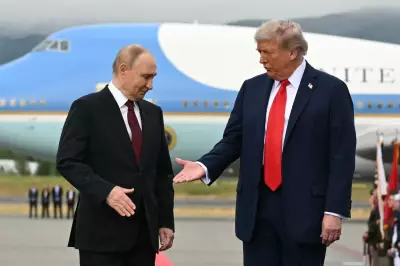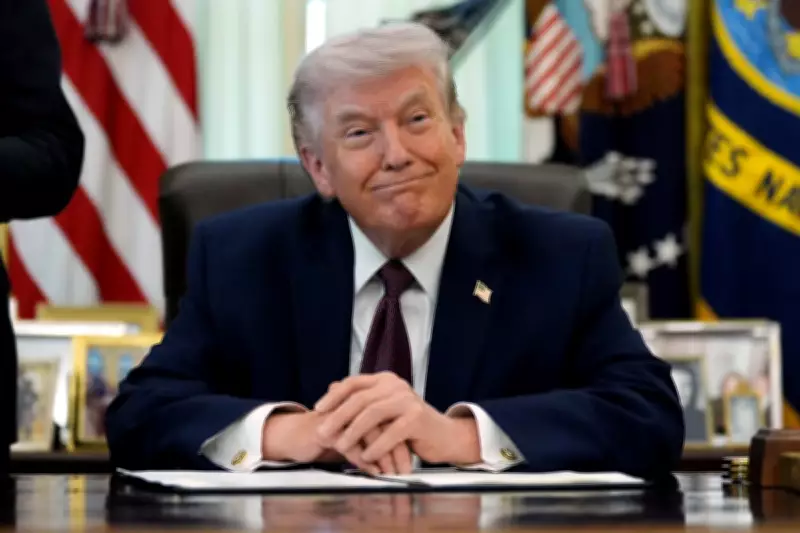
US President Donald Trump has asserted that the ongoing war with Iran will reach its conclusion within a remarkably short timeframe of "two to three weeks." In a statement to reporters, Trump emphasised that this anticipated peace would lead to a significant reduction in global oil prices, describing them as "tumbling down." He further declared that Iran is not required to negotiate a formal agreement to end hostilities, expressing satisfaction only when the nation is rendered incapable of swiftly developing nuclear weapons, a condition he starkly phrased as being "put into the Stone Age."
Diplomatic Stalemate Amid Escalating Violence
Contradicting any notions of imminent diplomatic resolution, Iranian Foreign Minister Abbas Araghchi has clarified that no active negotiations are currently taking place with Washington. This denial persists despite acknowledged direct and indirect exchanges of messages between the two nations, highlighting a profound diplomatic impasse.
Sustained Military Assaults Across the Gulf
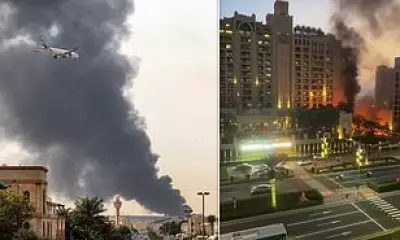
Simultaneously, military engagements have intensified, with a series of missile and drone attacks reported on Wednesday morning. Kuwaiti authorities confirmed that an Iranian drone strike targeted fuel tanks at its international airport, igniting a "large fire." In a separate incident, a commercial tanker was hit off the coast of Qatar, underscoring the expanding geographic scope of the conflict and its direct threat to regional maritime security.

UN Forecasts Severe Humanitarian and Economic Fallout
The relentless warfare has prompted grave concerns from international bodies. A recent United Nations report projects that up to four million individuals across the Gulf region could be "pushed into poverty by war in Iran." The analysis further estimates that Arab nations might suffer colossal economic losses, ranging from $120 billion to $194 billion, primarily due to severe disruptions in energy supply chains. This financial devastation threatens to exacerbate existing social inequalities and destabilise regional economies for years to come.
As Trump's optimistic timeline clashes with the reality of continued assaults and a stalled diplomatic process, the situation remains highly volatile, with profound implications for global energy markets and regional stability.