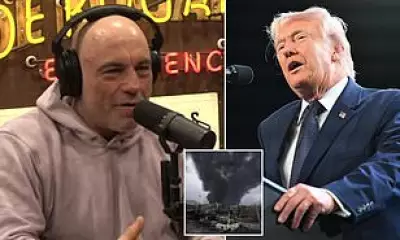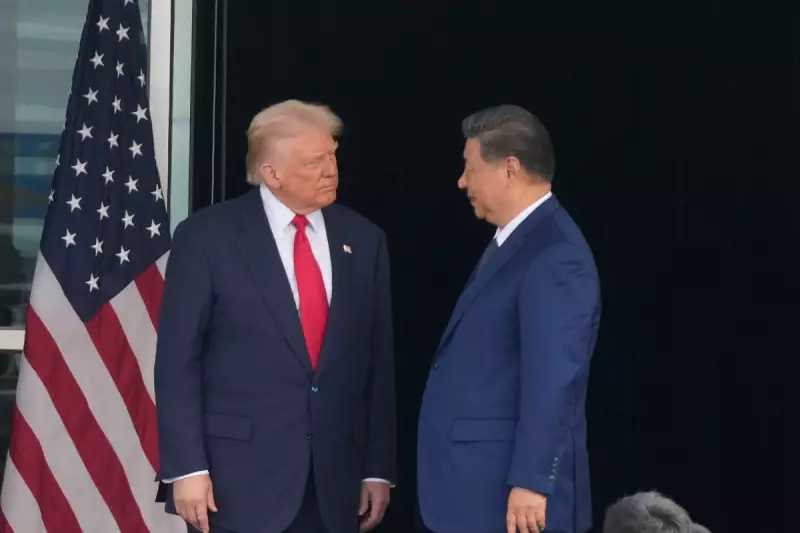
In a surprising turn of events that has sent shockwaves through political circles, former US President Donald Trump has publicly praised Chinese leader Xi Jinping, describing him as "a brilliant man" while simultaneously criticising the current Biden administration's approach to China.
Controversial Comments During Interview
The controversial remarks emerged during a wide-ranging interview where Trump expressed admiration for the Chinese president's leadership style and intelligence. "He's a brilliant man. I know him very well," Trump stated, adding that Xi Jinping "loves his country" and demonstrates strong leadership qualities.
Democratic Backlash and Criticism
The comments have drawn immediate criticism from Democratic leaders, including Senate Majority Leader Chuck Schumer, who labelled Trump's praise as "deeply concerning" given China's human rights record and increasing geopolitical tensions. Schumer emphasised that such statements undermine US foreign policy and send mixed signals to international allies.
Context of US-China Relations
This unexpected praise comes at a particularly sensitive time in US-China relations, with ongoing trade disputes, technological competition, and concerns about China's growing global influence. Trump's comments appear to contrast with his administration's previously tough stance on China during his presidency.
Political Implications
Political analysts suggest these remarks could have significant implications for:
- US foreign policy direction
- Republican party positioning on China
- Upcoming election narratives
- International perceptions of US leadership
Historical Context of Trump-Xi Relationship
During his presidency, Trump frequently described his relationship with Xi Jinping as positive, often citing their personal chemistry as beneficial for managing complex bilateral issues. However, this latest praise appears more effusive than previous statements, coming amid Trump's criticism of current US leadership.
The timing and nature of these comments have sparked intense debate about their potential impact on America's strategic positioning and whether they represent a shift in Republican foreign policy thinking towards China.